When selecting a perfume manufacturer in 2026, production volume is not the only criterion to take into account. In order to establish a fruitful collaboration, the manufacturer must also offer the development of fragrances, quality control and stability, responsible purchasing policy, flexibility in terms of customization, and clear and regular communication.
Understanding the 2026 Perfume Industry Landscape
The perfume industry has continued to evolve over the past year, driven by four key drivers: sustainability, personalization, new technologies, and a change in consumer behavior.
Emerging Trends Shaping the Perfume Market
A fragrance starts with the selection and sourcing of raw materials. Although a perfumer can create a fragrance on a computer, they are a fragrance material selector, and the first step of fragrance creation is the sourcing of the varied materials that will create the scent. These fragrance materials are sourced from all over the world and vary from kilogram quantities of some materials to tons of others, depending on the fragrance material. Sourcing these materials responsibly not only ensures their long-term availability but also addresses the needs of the rapidly growing “green” consumer.
The biggest change in the fragrance industry is the move towards sustainable and eco-friendly fragrances. As consumers demand more transparency into a product’s ingredients and more ethical sourcing, manufacturers are beginning to change towards greener formulations.
Another key trend in fragrance is for consumers to be seeking out more niche and personal scents. In a world where more mainstream fragrances are flooding the high street, consumers are increasingly looking for more individual and unique fragrances.
New technologies also influence the creation of fragrances. For example, by using artificial intelligence and computer-aided systems for predictive modeling and for quickly testing hypotheses, the perfumer of today can exploit the full potential of his art. By using computer-aided systems, modern perfumers refine and perfect their compositions.
The Role of Private Label Manufacturing in the Modern Perfume Industry
Private label manufacturing is a way for brands to efficiently penetrate the perfume market or extend their existing offer. By working with specialized perfume producers like Meiqi, you can focus on your branding and marketing while the private label manufacturer takes care of the production on your behalf. They are capable of delivering a complete service, from the creation of the fragrance to the packaging of the finished product.
Today, one of the main ways for manufacturers to create differentiation and add value between themselves and competitors is through product customization. Many manufacturers allow for a variety of different bottle shapes and designs, allow customers to choose the scent of the finished product, and allow the labeling to be outsourced to a 3PL or other third-party labeling specialist. In this way, companies are able to take advantage of the benefits of having a product that is tailored to customer needs, while the manufacturer is able to keep a light touch on the operation of production and scale up or down as needed without having to tie up too much capital in plant and machinery and staff and related training and development.
Key Criteria for Selecting a Perfume Manufacturer
Assessing Manufacturing Capabilities and Facilities
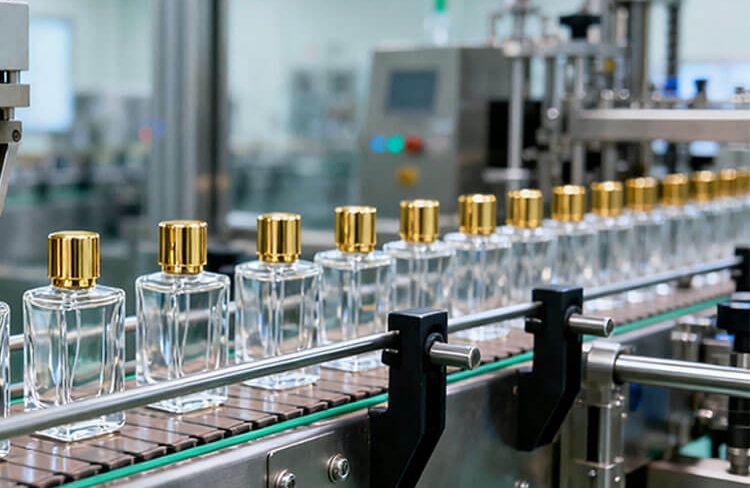
Modern equipment ensures consistent quality across batches while allowing scalability as demand grows. Companies have to follow the rules that other countries have, like the rules from IFRA or the European Union, so that the perfume is safe and can be sold in countries.
Assessing a company’s R&D capabilities is just as important since innovative fragrances are continuously developed and refined by means of experimental work. Perfume making is a matter of combining creativity, science and tradition. As soon as the initial idea occurs, it requires the utmost care and expertise to bring the fragrance to life and finally pack it in a bottle.
Quality Control and Ingredient Sourcing Standards
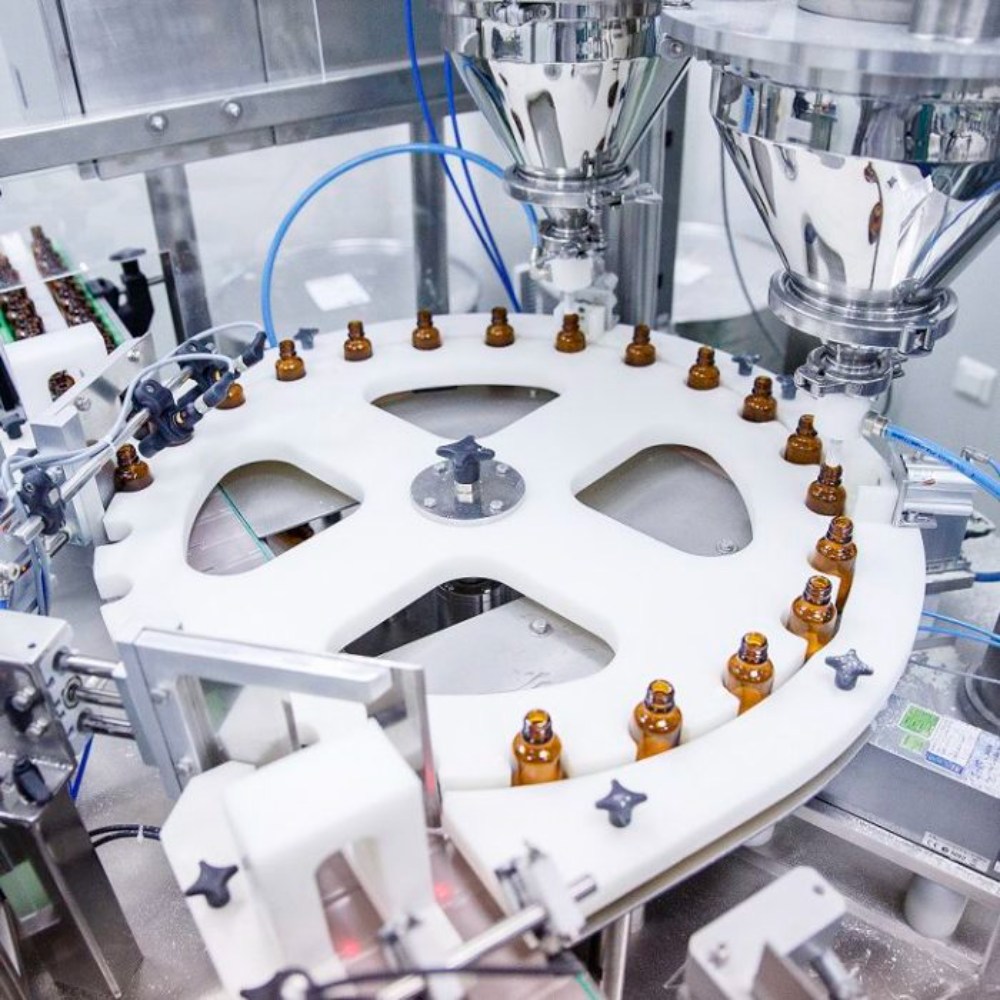
Manufacturers need to provide proof of origin of the raw materials entered into the formula and also details of the manufacturing process. For most fragrances, the individual ingredients are of the highest importance, and it is crucial that they test the formula to check stability, longevity, and consistency of fragrance.
Additionally, holding certifications such as ISO or GMP allows you to measure manufacturing partners against global benchmarks when selecting long-term manufacturing partners for luxury goods.
Evaluating Expertise and Innovation Capacity
Partnering with a renowned perfume manufacturer helps to create and launch perfumes of superior quality that have broad international appeal.
Experience in Fragrance Formulation and Market Adaptation
Fragrance manufacturers that develop a broad range of products are versatile within different fragrance families such as florals and orientals. In addition, they are also versatile on the global market. By working together with skilled perfumers, they develop unique fragrances for certain target groups or regions.
Integration of Technology in Product Development
By integrating innovative digital solutions into the production process, fragrance manufacturers like Meiqi are able to reproduce the fragrance consistently throughout mass production while guaranteeing the high standards of an artisan. The use of AI and analytics allows them to forecast and gauge customer preferences on the basis of the latest market trends.
Understanding Business Models and Partnership Structures
In order to be successful, a collaboration between brand owners and manufacturers is not only based on technical issues but also on business compatibility.
Customization Options Offered by Manufacturers
Some manufacturers offer you the opportunity to determine the bottle size, bottle shape, label design, or even the formula of a perfume that should be manufactured exclusively for you.
Evaluating Communication, Transparency, and Collaboration Practices
Effective communication is key to an efficient production process, avoiding any mistakes during the formulation or packaging stage. Transparent price structure will ensure that you are always in full control of your spending as well as both parties’ teams reaching their shared milestones.
Regulatory Compliance and Ethical Considerations in Perfume Manufacturing
When expanding to international markets, strict compliance with international rules for the safety of cosmetics as well as for the accuracy of labeling is required.
All aromatic ingredients in perfumed formulas are used within the parameters laid down by IFRA in order to ensure that they are used safely at the correct concentrations. When placing any cosmetic product on the market, there is a requirement for detailed documentation to be held, including an ingredient list and safety assessments together with a product information file as set out in the EU Cosmetics Regulation (EC) No. 1223/2009.
Strategic Approaches to Building a Successful Partnership with a Perfume Manufacturer
Due diligence before signing a contract ensures that the operational integrity of your contract reflects your brand’s goals.
Perform a background check by viewing client testimonials and sample evaluations or better by conducting site visits. Include terms and conditions that protect your interests by clearly stating that you are the owner of all proprietary blends. Also, in order to adapt to future products, allow for changes and evolution in terms of market needs.
FAQ
Q1: What are the factors one needs to pay attention to when selecting a private label perfume manufacturer?
A1: Manufacturing ability, the ingredients used, official approval, design flexibility, and communication efficiency during all production phases.
Q2: Are sustainable practices now standard among modern perfume manufacturers?
A2: Yes. The use of sustainable practices by modern perfume manufacturers is widespread, and many of the major producers now use eco-friendly practices for sourcing ingredients, using biodegradable ingredients, and also cruelty-free testing for their products, aligned with Meiqi’s actions.
Q3: Do I keep the exclusive rights to my fragrance formula?
A3: Most manufacturers that work professionally with fragrances sign an exclusivity agreement to protect their customers’ intellectual property. That way, your company is still left with the ownership of your company’s signature scent / identity once the formula has been created jointly by you and your manufacturer.