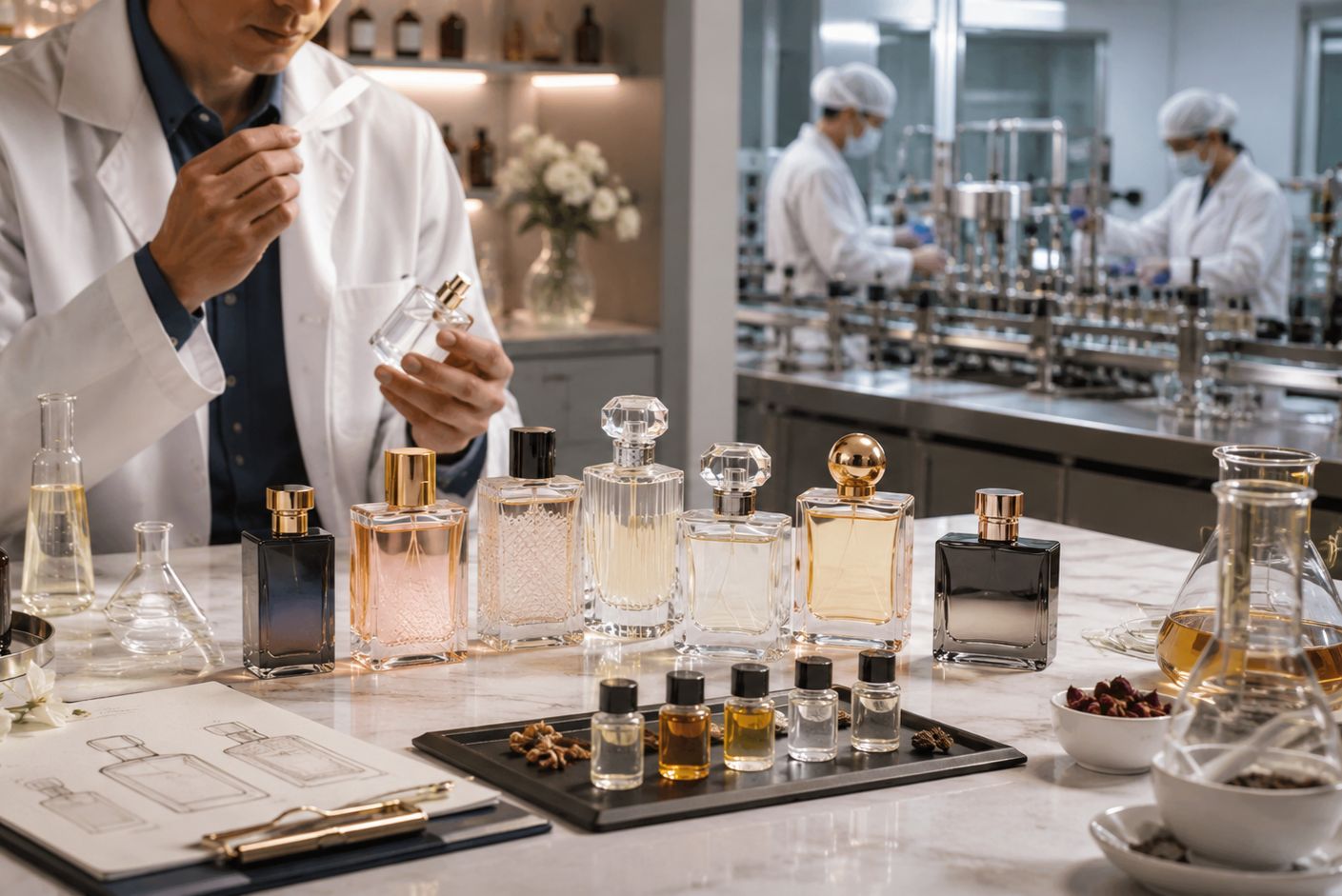
Starting a perfume brand from scratch becomes simpler once the production model fits the brand’s budget, timeline, and desired level of control. Both OEM and ODM options help new brands enter the fragrance market, yet they serve different needs in fragrance development, packaging design, formula ownership, and production flexibility.
Fundamentals of ODM and OEM in the Perfume Industry
Knowing what ODM perfume and OEM perfume mean matters for any brand that plans to enter the fragrance market. These two models shape how products get designed, developed, and brought to market.
Defining ODM and OEM in the Context of Fragrance Production
With a skilled technical team and a focus on market demand, manufacturers create custom products for clients. They handle everything from concept design and formula work to sample checks and full production. This helps brands release distinctive items quickly. The R&D group examines perfume formulas and processes, then tests fresh methods to keep each fragrance stable and high in quality. That approach sums up ODM, where makers supply ready fragrance formulas and packaging ideas that brands can use right away.
On the other side, manufacturers run standardized production. They rely on a solid supply chain and large-scale capacity to deliver full OEM services that cover raw material buying, processing, packaging, and quality checks. They adjust easily to each brand’s specific requests. This setup defines OEM, where brands supply their own formulas or designs and the factory manages large-scale output. Each route brings its own mix of creative input, cost structure, and time needs.
How ODM and OEM Differ in Business Structure and Collaboration
ODM stresses speed by using pre-developed assets. It fits brands that want fast market entry and low R&D spend. OEM builds closer ties between brand owners and factories. It works well for teams that want a signature scent or specific sourcing choices. Ownership rules also vary. Under OEM deals, brands usually keep rights to their formulas.
Evaluating the Advantages of ODM Perfume for Emerging Brands
Startups and distributors that want to test the market before big spending often choose ODM perfume because it lowers risk.
Speed to Market and Lower Development Costs
The main strength of ODM lies in shared resources and rebuilt costs. Normal product work needs a full team and more than ten stages, from research to mold creation, and one round can cost over three million yuan. ODM solutions use existing supply chains and proven modules, so brands reuse solid technical solutions and cut development time by more than sixty percent. This speed lets brands launch in weeks instead of months. Lower R&D costs also suit small firms that want to explore niche areas.
Consistency and Proven Market Success
ODM suppliers often work with scent formulas already tested by buyers. They watch raw material choices and every production step closely to keep quality steady from batch to batch. Many ODM perfume partners also share trend-based collections that match global fragrance tastes. If you are looking for such a product with scent formulas already tested by buyers, you might as well take a look at Meiqi’s products.
Exploring the Benefits of OEM Perfume for Established or Ambitious Brands
OEM manufacturing attracts firms that seek exclusivity or long-term brand strength through their own fragrance work.
Greater Creative Freedom and Brand Differentiation
Each brand carries its own character, and every client holds different expectations. Professional OEM factories therefore offer tailored perfume services. They start with scent design, talk in detail to learn preferences and the mood the brand wants to create, and then craft a fragrance that fits. This level of choice covers scent makeup and bottle style, so the final product matches target groups or values such as vegan rules or sustainable sourcing.
For brands that need a more personal scent identity, Meiqi’s OEM/ODM support can cover fragrance development, bottle selection, packaging, and production. This makes it easier to turn a brand idea into a finished perfume product.
Intellectual Property and Long-Term Brand Value
Owning a private formula builds brand strength over time. To keep perfume quality high, professional OEM factories use advanced production tools and testing gear. This precision supports steady output and guards formulas from easy copying by rivals, an important point for luxury lines where even an expensive one in the range must hold its signature character.
Comparing Key Factors Between ODM and OEM Models
The choice between the two models rests on balancing cost efficiency with creative freedom.
Cost Considerations in Product Development and Manufacturing
Initial Investment Requirements: ODM needs little upfront money because formulas already exist. OEM, by contrast, calls for more spending on formula research, compliance tests, custom bottle molds for sizes such as 25ml–100ml, and branding items.
Long-Term Profitability Implications: While ODM perfume keeps early costs low, OEM perfume can deliver higher margins later once the brand gains recognition through exclusive ownership.
Timeframe from Concept to Market Launch
ODM perfumes can reach stores in weeks since production templates are ready. Perfume mixing and bottle work happen at the same time and involve several steps, so the exact time varies with order size. OEM projects that need custom formulas or regulatory checks often take several months.
Control Over Branding, Quality, and Supply Chain Management
ODM mainly allows changes to packaging or small scent tweaks within set ranges. OEM gives full control from ingredient choices to final look, which suits brands that focus on craftsmanship or sustainability stories.
Strategic Considerations When Starting a Perfume Brand from Scratch in 2026
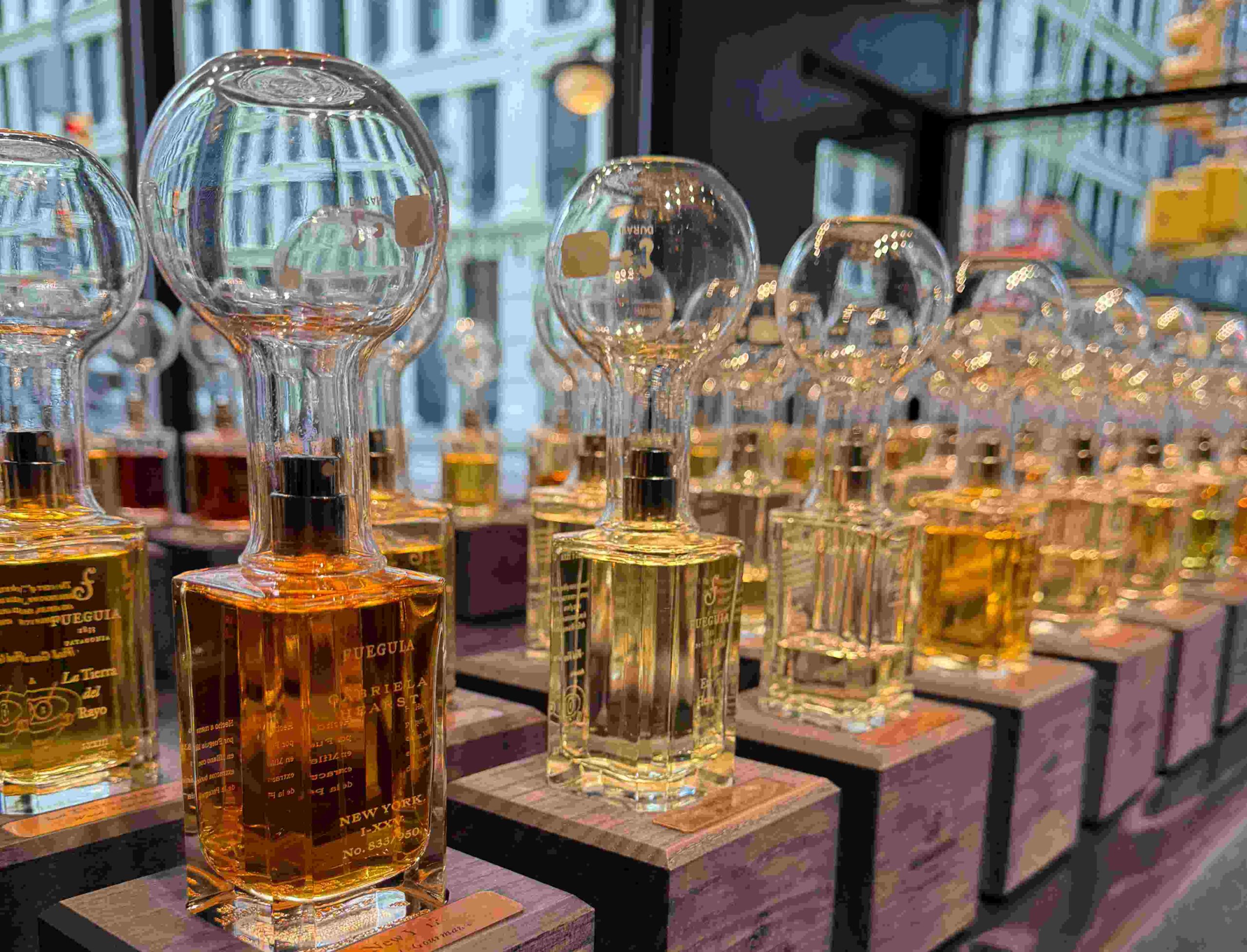
When starting a perfume brand from scratch in 2026, founders should first decide if they want quick entry or long-term positioning. Luxury-focused projects often favor OEM perfume strategies for their differentiation potential.
Checking buyer expectations also matters. Mass-market shoppers look for fair prices, while niche buyers value originality or eco-friendly choices. A mixed path that starts with ODM perfume and later moves into custom OEM perfume lines can ease budget pressure while leaving room for growth.
Future Trends Influencing the Choice Between ODM and OEM Models
Sustainability now affects both models as buyers ask for clear ingredient details. OEM lets brands watch sourcing steps directly. At the same time, many ODM suppliers add certified eco-friendly steps such as recyclable glass bottles or biodegradable caps.
Technology also changes how fragrances are made. AI tools speed up scent work under either model by studying buyer feedback from around the world. Digital sampling platforms make it easier for partners in different countries to work together without travel, which helps when scaling across markets like Europe or the Middle East.
Choosing the Right Model for Your 2026 Brand Plan
Choosing between ODM perfume or OEM perfume should match the brand’s growth targets.
Check supplier quality through certifications such as ISO 9000. See whether the partner can handle the full chain from raw material purchase to final packaging inspection, as described in the standardized production services that adapt to each brand’s private label needs. For example, Meiqi’s OEM perfume manufacturing service supplies complete customization with advanced automation that keeps blending ratios exact in every batch, a key point when moving into several regional markets at once.
FAQ
Q1: What is the minimum order quantity (MOQ) when working with an ODM perfume manufacturer?
A1: Most ODM suppliers offer flexible MOQs based on bottle size or chosen formula. Smaller runs let startups test demand before moving to larger volumes.
Q2: How long does it take from concept approval to delivery under an OEM perfume project?
A2: The process usually takes three to six months depending on complexity. Formulation tests and compliance checks must finish before large-scale filling starts.
Q3: Which model offers better control over quality assurance?
A3: OEM perfume gives stronger control because brands can oversee raw materials directly. Reliable providers such as Meiqi use automated mixing systems to meet international standards in every batch.
Q4: How can I choose long-lasting perfume formulations during development?
A4: Work closely with perfumers during the R&D stage. Focus on base notes such as musk or amber, which help the scent last longer, an important detail when building premium items in the line.