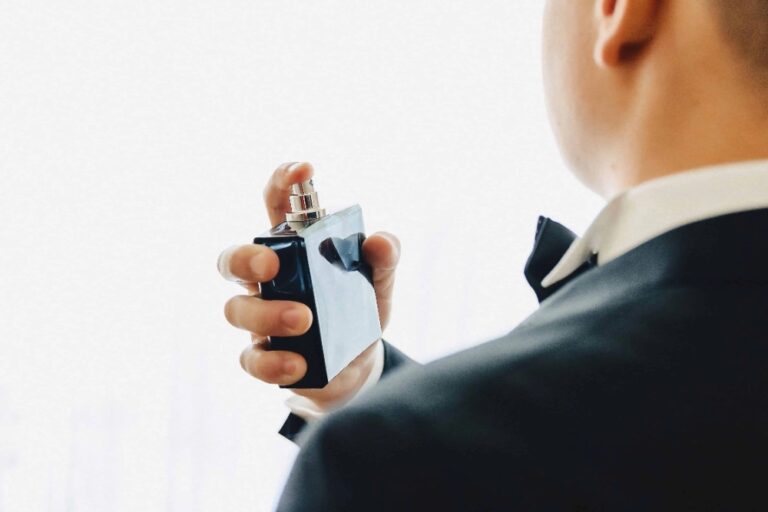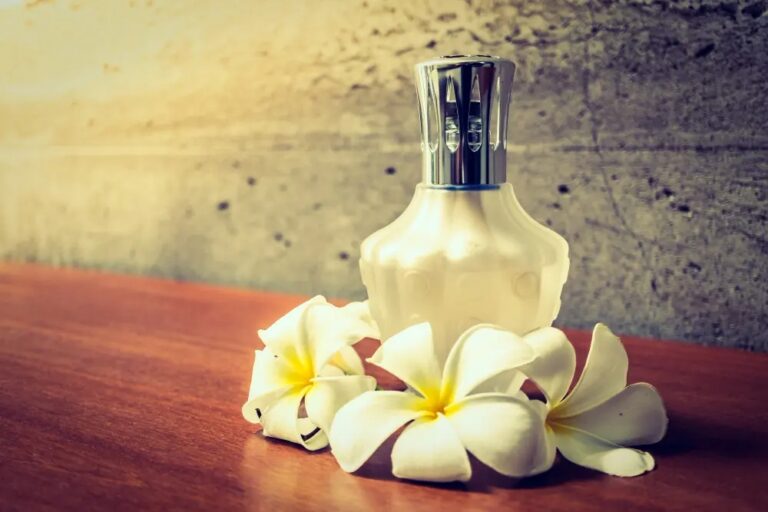

The easiest way to choose a unisex perfume is to treat the label as a starting point rather than a verdict. Begin with the effect you want: fresh, dry, creamy, smoky, softly sweet, or warm. Then read the fragrance notes, test the perfume on skin, and wait for the dry-down. A bright citrus can feel crisp, tart, or almost soapy. A woody perfume may be quiet and pencil-dry or dark with smoke and amber. Rose, oud, musk, and vanilla also change character according to the notes around them. The first spray introduces the scent; time, skin, weather, clothing, and distance reveal whether it suits everyday life.
Start with the feeling, not the gender label
For personal selection, ‘unisex’ is a useful filter rather than the final decision. It signals that a fragrance is presented beyond conventional men’s or women’s categories, but it does not make the formula neutral, quiet, or identical on every wearer. One unisex perfume may be green and airy; another may be dense with tobacco, pepper, amber, and woods.
Describe the desired result in plain words. Clean, warm, dry, creamy, smoky, and lightly sweet are easier to test than a gender category. This also leaves room for a fragrance that might have been ignored because of its box colour or shelf position. Packaging helps organise a collection, but it cannot predict what remains on the skin two hours later.
For a wider retail view, Meiqi’s gender-neutral fragrance guide explains how shared scents can be positioned by mood, setting, and channel without erasing men’s and women’s categories.
Read fragrance notes from opening to dry-down
A note list is most useful when read as a sequence. Citrus, herbs, and pale fruits often shape the opening. Tea, flowers, pepper, and soft fruit may become clearer through the heart. Woods, musk, amber, vanilla, leather, and resins commonly provide more of the lasting dry-down. The stages overlap, and not every modern perfume follows a strict pyramid, but the change over time still matters when comparing bottles.
Look at the neighbours around a favourite note. Rose with green leaves can feel crisp; rose with vanilla may become plush and sweet. Cedar can dry out a warm blend, while clean musk can soften sharp citrus. Oud may feel polished and woody or smoky and intense. The useful question is not whether one note is masculine or feminine. It is whether the whole group creates the texture and strength you want on skin.
Use a practical scent profile table
A short profile can narrow the first test more efficiently than a long list of fashionable ingredients. Use the table as a starting filter, then let the skin test decide.
| Desired effect | Notes to try | Useful settings | What to watch |
| Fresh and clean | Citrus, tea, green herbs, soft musk | Office, daytime, warm weather | A sharp opening that disappears too quickly |
| Soft and comfortable | Clean musk, sandalwood, light florals | Daily wear and close settings | Powder or sweetness that becomes heavy |
| Warm and rounded | Amber, vanilla, tonka, soft woods | Evening and cooler weather | Sweetness that grows after the dry-down |
| Dry and distinctive | Cedar, vetiver, leather, smoky woods | Smart casual wear and cool air | Smoke or bitterness that dominates |
Musk often works as a bridge because it can suggest clean laundry, warm skin, or soft powder depending on the formula. Tea and green notes can reduce the impression of sweetness. Sandalwood may add creaminess, while cedar or vetiver can give a blend a drier edge. These descriptions are directions, not rules; concentration and surrounding materials can change the result.
Test the perfume on skin and in a real setting
Blotter strips are useful for the first sort, especially when several bottles are waiting. Put the final two candidates on skin, one on each wrist, and do not rub them together. Check the opening, return after about thirty minutes, and smell again later in the day. A perfume that wins at minute two may lose its balance after the top notes fade; another may start quietly and become the better match by lunchtime.
Moisture, body heat, lotion, and climate can alter how the same formula develops. Test only a small number of strong fragrances in one session because the nose becomes less reliable after repeated exposure. Anyone with sensitive skin or a history of fragrance reactions should introduce every new product cautiously. Aroma families such as spice, resin, or woods do not by themselves predict irritation.
Check projection at conversation distance
Unisex does not mean quiet. Projection still matters in a shared office, classroom, bus, or small restaurant. After applying the perfume, take a short walk, put on a jacket, and ask someone nearby whether the scent is comfortable at normal conversation distance. If another person can barely detect it, projection may be soft. If it fills the room or remains strong after you leave, reduce the number of sprays.
Avoid judging only with the wrist pressed against the nose. That position says little about the trail around the body, and repeated close smelling can make the wearer less aware of the fragrance. A useful everyday scent stays present without making everyone nearby participate in the test.
Match the scent to clothes, weather, and routine

A crisp shirt and warm weather often give citrus, tea, and green notes a natural setting. Knitwear and cool air can make sandalwood, vanilla, amber, and soft woods feel more comfortable. These are starting points rather than seasonal laws. A fresh fragrance can look polished at night, while a warmer scent can work during the day when the dose is restrained.
Try the perfume in the setting where it will actually be worn. Pepper may seem sharp before it settles. A floral accord can open sweet and become drier with cedar or musk. Movement, fabric, temperature, and air flow all affect perception. Give the later balance more weight than the first surprise at a busy counter.
Build a small rotation you will actually wear
A practical fragrance wardrobe does not need one bottle for every shelf category. Three profiles can cover a surprising amount of daily life: something fresh, something soft and woody or musky, and a deeper amber or oud direction for evenings or cooler days. Choose by routine rather than by the number of notes printed on the box.
Keep a short record of profiles that repeatedly feel comfortable. Taste changes with weather, age, work, and habit, so a flexible shortlist is more useful than a permanent rule. The bottle that gets worn is the successful choice, even if its marketing category was not the one you expected.
Compare two real profiles before buying
A profile-led shortlist is easier to judge when the examples are genuinely different. Meiqi’s woody aromatic unisex perfume gives buyers woody, aromatic, spicy, warm, and fruity directions to compare. Test a cleaner option beside a warmer one rather than spraying several similar perfumes in the same session.
The wider Meiqi perfume selection can then be narrowed by fresh, floral, woody, musk, amber, and oud preferences. Collection labels organise the first search; skin and dry-down should make the final decision.
Conclusion
To choose a unisex perfume well, begin with the mood and texture you want, read the fragrance notes as a progression, and compare no more than two strong candidates on skin. Check the dry-down, projection, clothing, weather, and daily setting before deciding. A gender-neutral fragrance does not have to avoid floral, leather, oud, vanilla, or spice. It only needs a balance that feels comfortable to the person wearing it.
Retailers and private-label buyers can request unisex fragrance samples from Meiqi to compare scent direction, bottle format, and packaging before placing a larger order.
FAQs
Q1: How do you choose a unisex fragrance?
A1: Describe the effect you want, such as fresh, dry, creamy, smoky, or clean. Read the notes, test two candidates on skin, and compare their dry-down and projection in a normal setting.
Q2: Which notes work well in unisex perfume?
A2: Citrus, tea, woods, musk, amber, rose, oud, herbs, leather, vanilla, and spices can all work. Balance, texture, strength, and the surrounding notes matter more than a gender label.
Q3: Will a unisex perfume smell the same on everyone?
A3: No. Body heat, moisture, personal products, climate, application amount, and individual perception can change how the same formula develops and how strongly it is noticed.