A brand wants a small first order, but its preferred bottle, cap, label, and box do not necessarily share one minimum quantity. The perfume manufacturer may be willing to discuss the finished order while a component supplier needs a different production batch. That is why a single MOQ number rarely answers the whole purchasing question.
A workable private label perfume MOQ matches the launch plan to the product’s component structure. The aim is to learn where the constraints sit, which choices remain flexible, and how much unused packaging or slow-moving stock the brand would carry. Start with quantities by variant, not just a total launch volume.
Does the minimum apply to the finished order or each component?
Ask the supplier to identify the basis of the minimum. Does it apply per fragrance, bottle shape, decoration, box artwork, or finished SKU? A combined order may contain common components and unique components. Knowing that split helps purchasing understand why a proposed mix is easy to assemble in one case and difficult in another.
Meiqi‘s OEM and ODM service coordinates fragrance sampling, bottle and cap choices, printing, labels, and packaging. Because those tasks involve different product decisions, the company should review the planned assortment before confirming project quantities. Do not borrow a universal MOQ from an unrelated supplier or display product.
Map shared and unique parts
List the components once, then mark which variants use each one. Two fragrances might share a bottle and cap while needing different labels and cartons. Another pair may share nothing except the shipping carton. The first arrangement offers different purchasing options from the second, even if both contain the same number of finished bottles.
Ask whether an existing component is actually available, needs to be ordered, or requires a dedicated production run. “Existing design” does not necessarily mean stock is waiting in a warehouse. Obtain written confirmation of the component version and quantity before building a launch budget around it.
Which product choices can make a smaller launch more practical?
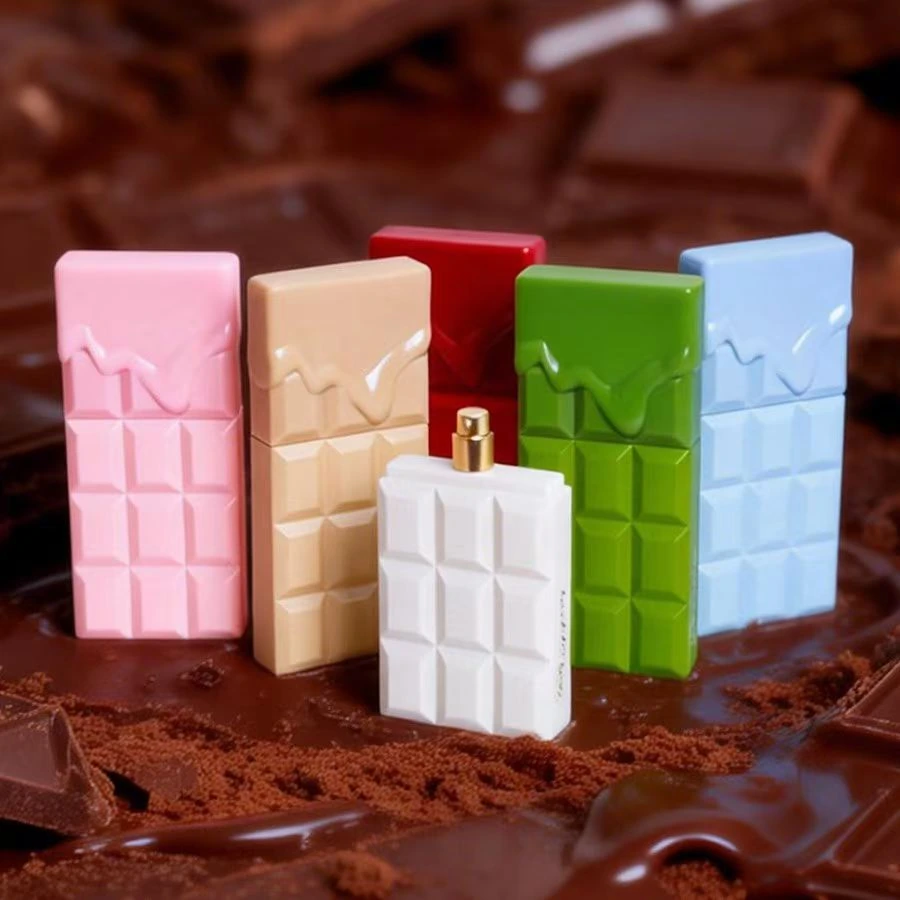
Review the variables that the brand can still change without undermining its positioning. These may include the number of fragrances, bottle format, cap treatment, decoration, or box construction. Ask the manufacturer to explain options and their consequences rather than requesting the smallest possible number with every design feature fixed.
Meiqi coordinates bottle shapes, colors, caps, printing, labels, and boxes. Its perfume range can support an initial design discussion. A listed sample is a reference for product direction; the final choice still needs confirmation of availability, specification, and the quantity basis for the actual project.
Reduce assortment complexity before reducing every order line
Launching fewer variants can make the purchasing plan easier to manage. That does not mean every brand should launch one scent. It means comparing the commercial purpose of each variant with the extra artwork, approval, and stock it introduces. A large assortment that cannot be replenished reliably may create more trouble than a smaller, focused opening range.
Keep customization that buyers will notice and reconsider complexity that adds little to the offer. If a special cap or box is central to the product, retain it and budget for its supply conditions. If it is optional, ask for a simpler alternative alongside the original design. The brand can then make a deliberate trade-off.
What happens to packaging bought above the finished-order quantity?
If a component order exceeds the initial finished production, clarify ownership, payment, storage, and future use. Do not assume the manufacturer will hold the balance indefinitely or use it automatically on a reorder. Record what happens if the artwork, formula, or product is discontinued.
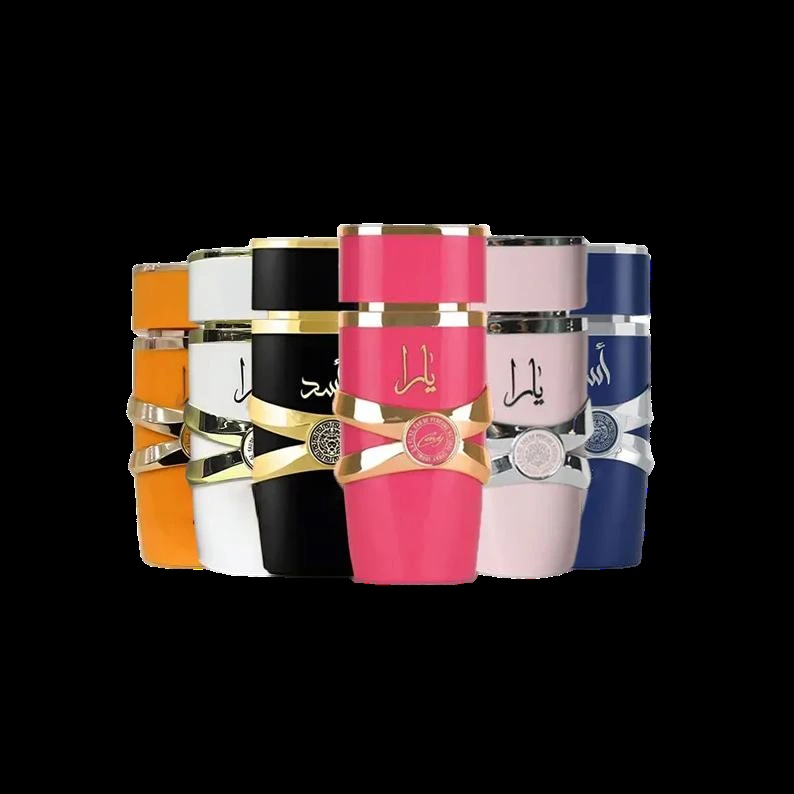
Ask whether unused packaging can serve another variant without a new approval. A shared plain bottle may be reusable within the agreed design, while a printed carton tied to one fragrance may not be. Check version control as well: old artwork should not return to production simply because it remains in stock.
Meiqi’s quality process uses approved samples and confirmed specifications, checks packaging components before use, and reviews filling, assembly, appearance, and packing during production. Any stored balance should therefore be identified against the appropriate approved version before it is released for a later order. Agree the project-specific storage and checking arrangements separately.
The cash-flow comparison should include more than the first shipment. Consider the component commitment, development charges, freight scope, and the quantity likely to remain after launch. Avoid calling a small finished order inexpensive when it requires a much larger packaging purchase that has disappeared from the headline figure.
How should the MOQ discussion connect to reorders?
Ask what would change on the second order. An opening run may involve development and setup that are not repeated, but that does not guarantee a smaller or faster reorder. Components may need replenishment, the assortment may change, and production availability still needs confirmation.
Agree how the brand will identify the approved fragrance, bottle, closure, artwork, and box when reordering. A short email saying “same as last time” leaves room for different interpretations if several sample versions or packaging changes existed. Reference the approved version and the last accepted order explicitly.
Meiqi supports overseas importers, wholesalers, and emerging brands from development through production and shipment preparation. Its role can help the buyer coordinate the next order around the same agreed product reference. The buyer should still confirm the revised quantity, component situation, quotation, and timing for that order.
For a launch with uncertain demand, discuss a limited assortment and a realistic replenishment plan. Keep sales expectations separate from supplier commitments. A forecast helps the manufacturer understand the opportunity, but it does not reserve capacity or components unless the parties agree that arrangement.
What information makes an MOQ inquiry useful?
Send a brief with quantities by fragrance and finished SKU, the desired bottle and cap, decoration, box concept, target market, and intended delivery window. Mark which decisions are fixed and which can change. Ask for the minimum basis, not just the minimum number.
Meiqi coordinates fragrance direction, samples, packaging choices, and production checks. A structured project inquiry allows the team to review those connected requirements and discuss which product choices fit the intended order. Request a project-specific response rather than assuming one public quantity applies to every custom perfume.
Before committing, ask purchasing and product staff to review the same summary: finished quantity, component commitments, unused balance, approved versions, and reorder assumptions. The commercial decision is then visible to the people who will manage stock after launch.
A useful final question is what the brand would do with the remaining stock if the launch sells unevenly. Review the answer by fragrance and packaging version. A popular scent does not automatically consume printed boxes for a slower variant. This exercise helps the buyer decide whether the proposed assortment and component commitments fit the cash available after the first shipment. Keep the answer grounded in the brand’s own forecast rather than a supplier’s general optimism about market demand.
Ask how the quotation changes if the assortment changes after the first component commitment. Removing a fragrance may not remove the cost of labels or cartons already ordered for it. Adding a fragrance may introduce a new sample and artwork approval even when the bottle stays the same. Have the supplier explain the commercial effect before authorizing the change.
Use the same quantity breakdown in the brief, quotation, and purchase order. If one document lists total bottles and another lists quantities by scent, reconcile them explicitly. This simple check can prevent a valid MOQ discussion from turning into an order for the wrong product mix.
Conclusion
A private label perfume MOQ becomes workable when the brand understands what each minimum covers. Map shared components, control variant complexity, and clarify unused stock and reorders before signing. The right opening quantity is the one that supports the launch without hiding packaging commitments or approval work outside the finished-bottle count.
To review a proposed launch quantity and packaging direction with Meiqi, send your brief to saleyang@yongqigood.com.