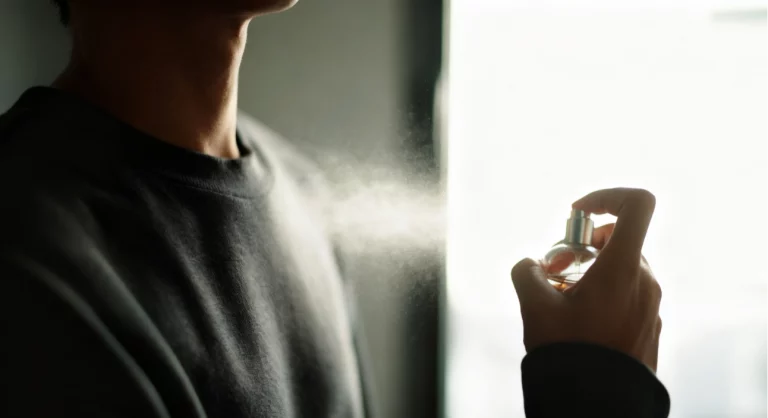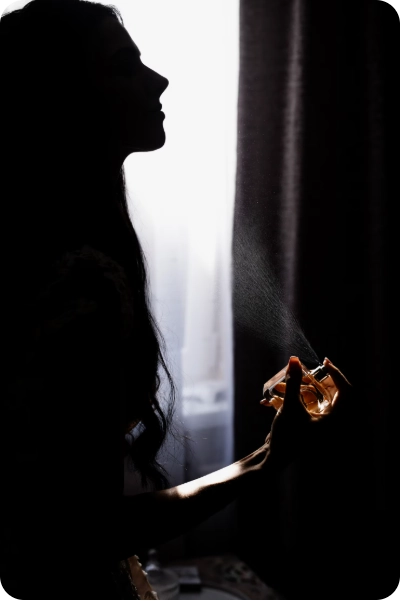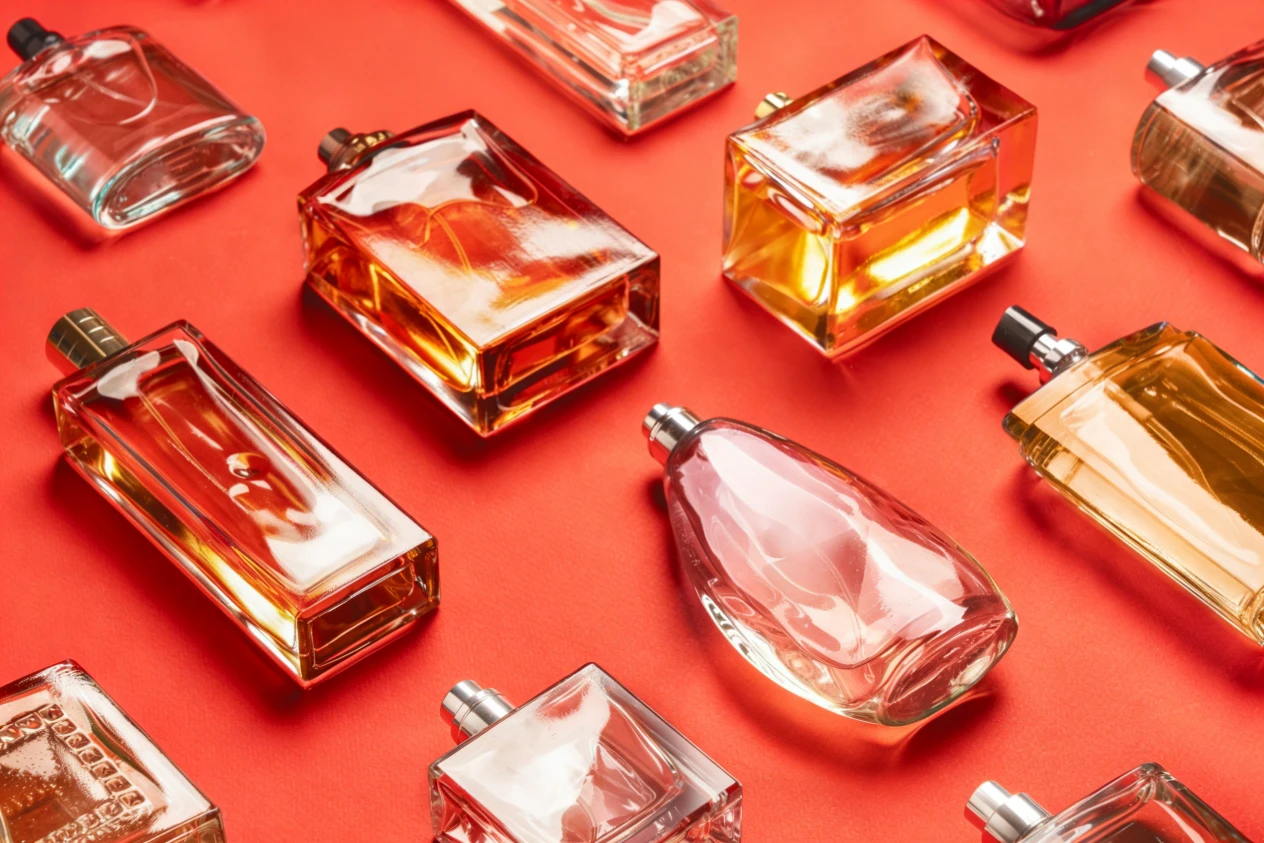
Everyone faces this situation at some point. You pay a fair amount for an attractive bottle of eau de parfum. You apply it to your wrists and neck before leaving for the day. You feel clean and sure of yourself. Yet by the time you eat lunch, the aroma has faded away. You end up checking your wrist. You wonder what happened to your purchase. This annoyance pushes a big change in the scent business during 2026. Buyers grow weary of putting it on again. They begin to question the contents list. The main reason for this quick loss often lies in the element that allows perfume to spray: alcohol.
With more people seeking pure, durable smells, a new option appears on the scene. Alcohol-free perfume is not only for those focused on health or certain faith groups anymore. It turns into a common choice. Still, for company leaders and buyers both, one key issue persists: does cutting out alcohol truly boost how well it works? The response does not boil down to a plain yes or no. It hinges on a contest between “projection” and “endurance.”
The Science of Evaporation: Why Alcohol Flies Away
To figure out which kind of scent holds up better over time, we must examine the makeup of how aroma escapes the container and spreads into the atmosphere. Perfume consists mainly of fragrant oils mixed with a base. In a traditional perfume, that base is ethanol, or alcohol. This alcohol evaporates fast. It shifts from liquid to vapor in a short time. Such speed helps with the first burst of smell. However, it brings a drawback. When we set this against water-based or oil-based choices, we notice two separate actions on your skin.
How Traditional Perfume Works
When you use a regular alcohol-based scent, the alcohol serves as a quick starter. It turns to gas right after touching your warm skin. As it does so, it carries the smallest aroma parts—the top notes such as citrus, bergamot, and soft flowers—and sends them outward. This produces what experts name “sillage,” or the trail of scent. That is why you detect a person as soon as they enter a space.
Yet this fast change cuts both ways. Since the alcohol vanishes so soon, it drags much of the scent along in the opening hour. It offers a bold, sharp start. But it ends abruptly. After three hours, the alcohol has departed fully. If the bottom notes lack weight, the aroma vanishes too.
The Mechanics of Zero Alcohol Scent
On the other hand, a zero alcohol scent relies on bases like water, natural oils such as jojoba or coconut, or neutral carriers. These materials do not turn to gas. Rather, they soak in. When you put on an oil-based scent, it blends into the fatty layer of your skin. It lacks that quick “starter” to spread the aroma widely. Instead, your body warmth gently heats the oils. This releases the smell bit by bit over hours.
Without alcohol to speed up the shift to gas, the aroma parts stay on the skin. They come out in an even, slow flow instead of one big burst. This basic difference explains why options without alcohol often prove better in terms of time on skin.
Comparing Longevity and Sillage in the Real World
Now that we grasp the makeup, let us consider real use. If you run a company and plan a fresh collection, you should know the buyer’s view. The balance stands clear: traditional perfume stands out at first, but alcohol-free perfume lingers far longer in a subtle way. For today’s buyers who seek good value, the meaning of “performance” moves from strong spread to steady presence.
The Initial Impact vs. The Dry Down
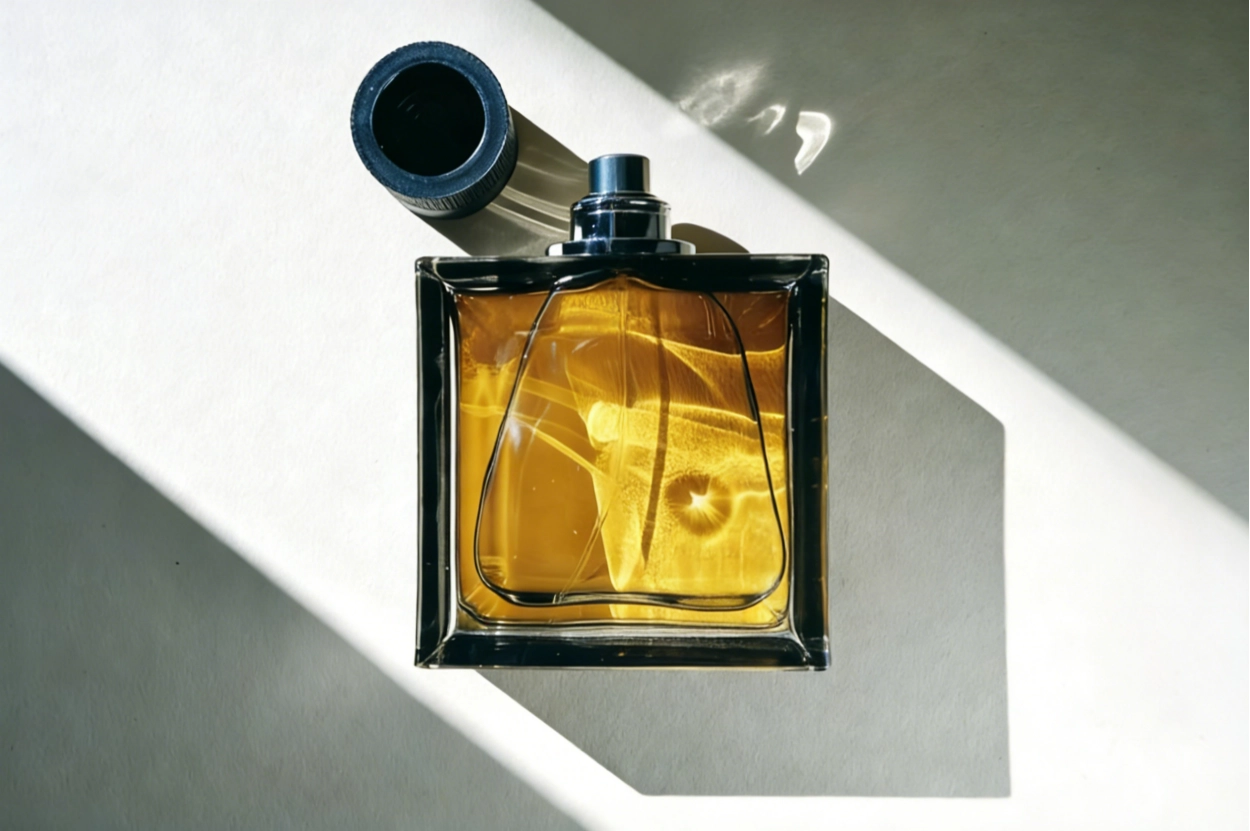
If you compare them directly, the traditional perfume takes the lead in the first 15 minutes. It covers the area. The alcohol-free perfume appears soft, maybe even mild on first try. Many hold this wrong idea. The oil version aims for the distance.
Move ahead six hours. The usual alcohol type has probably hit its “dry down” stage or gone completely. It leaves just a light hint of musk. The oil-based fragrance, though, keeps going well. In truth, as it joins the wearer’s own body makeup, it improves and deepens through the day. For a long-lasting perfume, the slow one outpaces the fast one. The oil keeps the middle and bottom notes true for 6 to 10 hours. Alcohol types often drop their main feel after 4 hours.
Why Oil-Based Fragrance Clings to the Skin
The feel of the scent matters a lot in this. Alcohol dries out. It removes natural oils from your skin. Dry skin fails to keep aroma well. It lets go of smell parts fast. That is why those with dry skin often say no scent stays with them.
In contrast, an oil-based fragrance works like a softener. It forms a moist shield on the skin. Aroma parts attach well to moist, oily spots. Experts suggest lotion before scent for this reason. With an oil base, the scent readies the skin to grip the aroma. It builds a “second skin” where the smell joins the wearer. It does not just rest on top and escape.
Health, Inclusivity, and Expanding Markets
Past the time it lasts, the move from alcohol stems from broad shifts in who buys scents and their reasons. Today’s buyer knows more. They check tags. They learn that alcohol can harm. For a perfume manufacturer, providing choices without alcohol goes beyond fashion. It forms a plan to reach groups that old scent methods overlooked for years. This covers the pure beauty trend, those with skin issues, and large global areas with faith-based needs.
The Best Choice for Sensitive Skin Scent
A top issue in the scent field is discomfort. Alcohol leads to red spots, itch, and sun sensitivity, like rashes in light. For many with eczema or touchy skin, traditional perfume stays out of reach.
A zero alcohol scent fixes this at once. Using water or plant oils makes it low-irritant and kind. It lets companies sell as a sensitive skin scent. This opens fresh buyers. Parents feel safer getting these for young people. Skin care fans like them since they avoid drying. It changes the scent from a possible bother to a gentle routine.
Expanding into the Middle Eastern Market
There is also a massive geographical factor here. In the Middle East, perfume is a way of life, but alcohol is often restricted due to Halal principles. This region has a rich history of using heavy, oil-based Attars and Ouds that last for days, not hours.
Global brands are now rushing to create formulations that align with these preferences. By developing high-quality, alcohol-free perfumes, you can directly target this lucrative market. Meiqi has specialized experience in this area, focusing on the autonomous research and development of high-quality perfumes in the Middle East. They understand that for this audience, a long-lasting perfume isn’t a luxury—it’s a requirement. The oil-based format fits perfectly with the cultural practice of layering scents for maximum depth and longevity.
Manufacturing Perspectives for Brand Owners
If you are convinced that going alcohol-free is the right move for your brand, the next step is execution. Manufacturing these scents is different from the standard process. It requires a different approach to formulation, bottling, and stability testing. However, the benefits on the business side—specifically regarding shipping and safety—are significant enough to make the switch worthwhile.
Production Challenges and Benefits
Creating a water-based or oil-based fragrance proves harder in makeup than with alcohol. Alcohol solves well. It breaks down most things. Water and oil resist mixing with some aroma parts. Here, a trained perfume manufacturer helps. They use blends and tiny tech to form a steady mix that holds in the container.
Still, the sending perks stand large. Alcohol counts as a Class 3 Flammable Liquid. Transport needs costly danger forms, special plane care, and extra coverage fees. Zero alcohol scent items lack fire risk. You send them worldwide without danger add-ons. For companies selling online and abroad, this cuts sending costs a lot. It boosts your profits.
Customizing for a Niche Audience
The field overflows with plain alcohol sprays. Starting a long-lasting perfume series without alcohol sets your point apart. You sell more than a smell. You offer a “gentler,” “longer-stay,” and “skin-kind” feel.
With an OEM/ODM teammate, you adjust the oil thickness for a rich touch, not sticky. You make roll-ons, soft sprays, or firm sticks. This range helps you shine in stores. You sell as a “hair mist” that skips hair dry-out from alcohol. Or as a “body oil” with extra use that traditional perfume cannot offer.
Conclusion
So, which one actually lasts longer? If we judge by hours on the skin, the alcohol-free perfume is the clear winner. While it may not fill a room the moment you walk in, it stays with you, evolving and lingering for the entire day without the need for constant reapplication. It offers a more intimate, safer, and richer scent experience.
For brand owners, the shift toward zero alcohol scent represents a smart pivot into the future of fragrance. It addresses the needs of the sensitive skin market, opens doors to the Middle East, and solves the headache of hazardous shipping. Whether you are looking to replicate the deep, resinous notes of traditional Attars or create a fresh, clean water-based line, the technology is ready. If you’re looking to build a brand that lasts as long as its fragrance, contact us now at 932218963@qq.com. Meiqi‘s expertise as a perfume manufacturer can help you formulate the perfect oil-based fragrance solution.