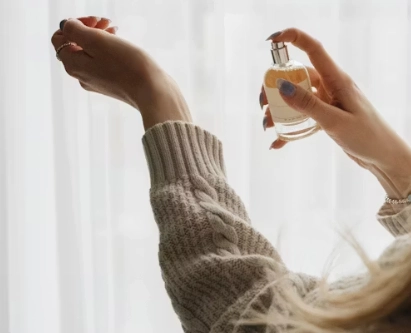
We have all experienced that instant when strolling through an upscale shopping center or a crowded airport lounge where a brief scent from a passerby halts us right there. Fragrances possess this peculiar, nearly enchanting ability to alter our emotions or establish an initial perception long before any words are exchanged. Within the realm of scents, two prominent forces have commanded attention on store displays for many years: the subtle, bloom-dominated French perfume and the intense, spice-rich Arabic perfume. Lately, the worldwide industry has witnessed a substantial transformation. Individuals are drifting from commonplace, diluted aromas and seeking options that truly endure on the skin beyond a single hour. If you run a small shop aiming to carry the top trends for 2026 or if you are an enthusiast hunting for that singular, hard-to-find signature scent, selecting between these approaches involves far more than merely appearing pleasant. At Meiqi, we hold the view that it concerns choosing the narrative your aura conveys.
The Classic Architecture and Elegance of French Perfume
When folks discuss French perfume, they typically refer to a heritage stretching back centuries to the lavender expanses of Grasse. This approach relies on a defined pyramid framework: initial notes strike immediately, central notes surface roughly twenty minutes later, and foundational notes persist as a subtle echo. It represents a refined, deliberate method in blending compounds. Renowned French brands frequently emphasize “sillage”—the lingering aroma trail in the atmosphere—rather than sheer, overpowering strength. For numerous people, this continues as the benchmark for an everyday perfume for women due to its courteous, breezy quality. It avoids demanding notice; instead, it murmurs.
Nevertheless, the domain of French aromas is evolving. Although the legacy runs profound, today’s buyers frequently feel disappointed by how rapidly certain premium labels dissipate. When investing $200 in a container, one anticipates endurance through an evening meal, but plenty of mainstream French perfumes fail to deliver. This shortfall in the sector has sparked a surge in need for elevated oil levels and superior affordability, prompting many to turn to Middle Eastern substitutes that deliver a comparable “high-quality 1:1” essence yet with markedly enhanced staying power.
The Art of the Floral Bouquet in Western Fragrance
The French perspective fixates on the “flower.” Be it the rose from Bulgaria, jasmine sourced from India, or iris hailing from Italy, the aim usually centers on encapsulating a garden’s spirit. Such aromas are crafted to remain lightweight and invigorating, positioning them as the ideal signature scent for workplace settings where the desire is to appear fresh without dominating those around you. The intricacy arises from balancing these blooms with elements like aldehydes or citrus, yielding a vivid, effervescent quality that shapes the “classic” feminine essence.
Precision in Blending and the Luxury Image
Apart from the aroma itself, the French sector has mastered the “image” of opulence. Containers often serve as artistic masterpieces, and promotions evoke visions of romantic Parisian evenings. However, for commercial purchasers and wholesalers, mere “image” no longer suffices. B2B partners are progressively seeking direct-from-manufacturer choices that supply identical accuracy and grace minus the exorbitant premiums of designer names. They desire the French style but infused with the robust potency and resilience drawn from diverse cultural practices.
The Bold Character and Longevity of Arabic Perfume
If French fragrance resembles a delicate watercolor artwork, Arabic perfume stands as a lavish, detailed oil masterpiece. In Middle Eastern traditions, scent forms not just an accessory but a fundamental aspect of personal identity. This lineage employs materials that Western blending often regards as “niche”—such as agarwood (Oud), dense musk, amber, and frankincense. The key distinction evident right away lies in the potency. Whereas numerous standard fragrances dilute heavily with alcohol, a superior Arabic perfume depends on substantially greater oil proportions. This very reason has built its fame as a long-lasting perfume capable of withstanding even the steamiest environments.
For enterprises eager to offer products that market effortlessly, the best-selling unisex Arabic perfumes have emerged as a dominant segment. These go beyond mere smells; they create immersive encounters. At Meiqi, we have observed a tremendous rise in curiosity toward our 100ml Arabic perfume sprays, particularly since they deliver that “no pungent smell” sensation while upholding remarkable profundity. Purchasers grow weary of chemically laden scents that irritate the senses; they crave the velvety, resin-infused warmth achievable only through time-honored Middle Eastern mixing methods.
The Power of Oud and Resin in Modern Scents
Oud earns the nickname “liquid gold” for valid reasons. Extracted from the core timber of Aquilaria trees, it furnishes a timbery, soil-like, and mildly sugary foundation that proves nearly impossible to mimic using inexpensive artificial additives. In an era where uniqueness in a signature scent matters greatly, Arabic perfumes furnish a degree of uniqueness that bloom-based options simply cannot rival. This holds especially true for unisex varieties, where boundaries between “masculine” and “feminine” merge into one unified, lavish bouquet suitable for all.
Why Middle Eastern Scents Rule the Global Export Market
The international fragrance sector currently holds a value exceeding $50 billion, and the Middle Eastern portion ranks among the swiftest in expansion. What drives this? Because contemporary buyers prize “performance” above all. Upon acquiring a vial of Arabic perfume, the assurance comes that merely two applications will persist from twelve to twenty-four hours. From a B2B standpoint, this renders the item exceptionally “reliable”—clients who sample it once seldom revert to weaker, alcohol-dominant alternatives. The call for direct-from-factory sales of these premium colognes reaches peak levels, notably for seekers of 1:1 excellence that competes with Dubai’s priciest establishments.
Comparing Performance: Why One Lasts Longer than the Other
As we contrast these two categories directly, the frequent inquiry emerges: “Which serves as the superior long-lasting perfume?” The response generally hinges on the foundational notes. French perfumes commonly depend on milder stabilizers like gentle musks or vanilla, which charm yet prove fleeting—they vanish swiftly. Conversely, Arabic perfume deploys formidable elements such as sandalwood, patchouli, and primal musks that “secure” the aroma to the body or fabric. It is ordinary for an Arabic fragrance to remain detectable on apparel for even weeks following application.
This variance in endurance poses a major frustration for users. Nobody enjoys carrying a flask in their belongings merely to refresh every three hours. Consequently, the pursuit of an ideal signature scent has guided countless women to trial Middle Eastern mixtures. They seek a perfume for women that shifts seamlessly from a standard workday to an evening event without fading. By opting for an aroma boasting elevated oil content, one acquires not only a fragrance but also practicality and assurance.
French Style: Best for subtle elegance, office wear, and those who prefer a “clean” vibe.
Arabic Style: Best for evening wear, cold weather, and anyone who demands 12+ hours of performance.
The Hybrid Trend: Many modern 2026 best-sellers are actually “hybrids”—taking the floral delicacy of France and grounding it with the powerful longevity of Arabic oils.
Finding the Perfect Signature Scent for Your Collection or Business
Selecting a signature scent marks a profoundly individual path, yet for those engaged in fragrance commerce, it entails grasping consumer preferences. At present, the industry yearns for “Unisex” and “Arabic” characteristics. The period of excessively cloying, saccharine aromas gives way to a longing for “niche” essences—those appearing handcrafted and uncommon. For a shop proprietor or a global supplier, the objective involves locating a provider that connects these realms effectively. One requires “factory direct” costs to preserve profitability, yet must not compromise the “high-quality” essence that retains repeat buyers.
At Meiqi, we focus precisely on this niche. Our best-selling unisex Arabic perfume ranges aim to convey that “original” sensation, absent the “original” expense. Whether pursuing the 100ml Arabic perfume spray or a high-quality 1:1 cologne, emphasis always falls on the customer’s encounter: devoid of harsh chemical odors, offering an unadulterated, enduring bouquet solely. Upon discovering an aroma that harmonizes the ethereal allure of French perfume with the unyielding spirit of Arabic perfume, one secures more than a mere item—one uncovers a guaranteed hit.
Why Quality Control Matters for B2B Sourcing
Within the fragrance field, “cheap” options abound readily, but “quality” remains scarce. A frequent grievance regarding budget Arabic perfumes involves a “pungent” or “metallic” initial burst that often repels. Superior production guarantees smoothness from the opening spritz. For companies, this distinction separates a single transaction from enduring client devotion. Consistently seek factory-direct collaborators who value the cleanliness of their vital oils and the reliability of their compositions.
Catering to the Modern Woman’s Preferences
The contemporary perfume for women extends beyond merely evoking a rose. Today’s women embody empowerment and varied inclinations; numerous favor “masculine” timber tones or “unisex” spice fusions. By presenting a signature scent assortment encompassing both French-influenced blooms and Arabic-derived ouds, one appeals to a broader audience. Variety within stock proves essential for thriving amid the cutthroat 2026 environment.
Conclusion
Regardless of whether you incline toward the storied grace of French perfume or the mesmerizing, long-lasting perfume strength of Arabic perfume, the vital factor remains the emotion it evokes within you. A signature scent ought to function as your unseen shield. For entrepreneurs, anticipating these shifts demands providing premium, factory-direct selections that yield genuine benefits to final users. Should you aim to enhance your fragrance offerings or procure the finest 2026 perfume trends, contact us now at 932218963@qq.com. Meiqi stands ready to assist. Reach out to us now to delve into our 1:1 high-quality assortments, and together we can identify the forthcoming triumph for your enterprise.