Citrus is easy to like and hard to get right. It gives you that clean first hit straight away: brighter mood, sharper edges, more lift. That is exactly why so many men reach for it first. The problem comes later. A lot of citrus fragrances smell alive for twenty minutes, then flatten out into something thin, vague, or barely there. So the real buying question is not whether a citrus perfume smells fresh. Most of them do. The question is whether that freshness has enough structure under it to stay useful through an actual day. Citrus notes are naturally volatile and usually sit at the top of a fragrance, which is why they feel vivid early and disappear fast unless the rest of the formula is doing real work.
Why do so many citrus perfumes smell great at first but fade so quickly?
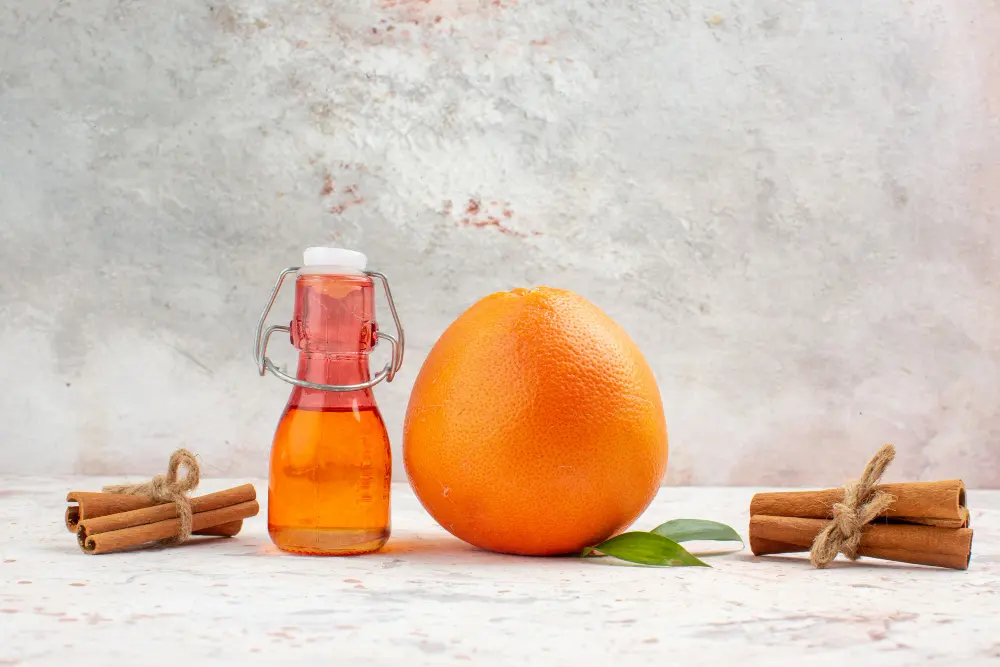
Citrus notes pack a real punch. Think of bergamot, lemon, orange, grapefruit, green mandarin, or that neroli-adjacent brightness—they all bring energy to a fragrance from the start. In perfumery, this initial burst counts a lot since it shapes the first reaction. Yet, it stands as the most delicate element in the entire structure. Citrus notes rank among the earliest ingredients in scents. And people value them for their fresh, lively, nearly immediate refreshing vibe. They evaporate quickly by design, so experts typically place them as top notes instead of relying on them to linger through the day.
That is where a lot of buyers get misled. They smell the first spray, like the energy, and assume the rest will follow. It frequently falls short. Light cologne formulas with dilute mixes typically fade after just an hour or two. This happens mainly if they rely a lot on citrus notes. And they lack solid backing from woody, amber, patchouli, vanilla, or musk elements in the dry-down. A standard cologne setup explains this simply: vibrant citrus kicks things off at the top. Then comes herbal or flowery vibes in the middle. Followed by woods, amber, patchouli, vanilla, or musk down below, which add real structure and longevity to the scent. Now, if that base layer feels skimpy, sure, the fragrance might seem appealing at first. Yet it won’t hold much weight as time passes.
There’s a practical side to think about as well. Citrus oils typically get extracted by pressing the peel, and this method preserves the lively, authentic punch that people truly love. That’s a key reason why citrus aromas feel so bold and vibrant. But that same lively quality that pulls folks in also makes it vanish quickly from the skin. Perfume creators overcome this challenge by building a gentle transition from the top notes into the heart and then to the base. Next, they let the blend mature, and this process turns the whole composition into something more balanced and cohesive over time. Techniques such as maturing, cooling, and filtering all help with that. The goal isn’t just a powerful opening, you see. Rather, it’s to craft a fragrance that slowly unfolds instead of simply fading away.
What should you look for in the best citrus perfume for him?
The first thing is balance. Not “strongest citrus.” Not “freshest first spray.” Balance. A good citrus fragrance for men usually opens with brightness, but it should not stay trapped there. You want a bridge and a base. Bergamot on its own is pleasant. Bergamot moving into lavender, cardamom, woods, vetiver, patchouli, amber, sandalwood, or musk is where the fragrance starts to feel complete. That is also where it starts to wear like something intentional instead of just clean air in a bottle.
That’s exactly why Meiqi Signature Blend shines as a reliable standard in this lineup. It begins with bergamot and green apple. Next, it moves to lavender, cardamom, and geranium. In the end, it settles into vetiver, patchouli, and amber. On top of that, it contains 18% perfume oil. This is much higher than the typical 3% to 5% in those lighter fresh colognes. Plus, the specs show it lasts 10 to 14 hours on skin, and more than 48 hours on fabric. The real strength comes from how these notes blend so well. That bergamot gives the vibrant boost people seek in a citrus-heavy scent. Meanwhile, the vetiver, patchouli, and amber offer a solid foundation where the early energy can rest. In general, it seems more refreshing than heavier wood-based choices. Still, it lasts nicely, and it doesn’t vanish when the top notes fade.
There is another thing buyers often miss: not every lasting citrus fragrance has to stay purely citrus all the way through. In fact, the better ones usually do not. They open fresh, then change shape. That shift is not a flaw. It is the point. If a man wants a citrus perfume that still feels masculine and grounded after the first hour, he should pay close attention to what sits in the base. Woods and musks do not kill freshness when they are used well. They hold it in place. Amber adds warmth. Vetiver adds dryness and definition. Patchouli can add texture without making the scent muddy when the dosage is controlled. That is the difference between a fragrance that just smells fresh and one that wears fresh.
Meiqi’s broader production depth also matters here in a practical way. The brand operates with 15 years of fragrance manufacturing experience, a 20,000-square-meter production base, exports to more than 60 countries, and 126 quality checkpoints across production. Those numbers do not make a fragrance good by themselves. But they do suggest formula depth, testing capacity, and consistency at scale, which matters when a brand is trying to make a fresh fragrance that feels commercially broad without turning generic.
Which type of citrus perfume works best for your routine and personal style?
That depends less on whether you “like citrus” and more on how you want the freshness to behave. Some men want the classic clean daytime effect: polished, easy, office-safe, simple to wear. Others want citrus at the front, but more depth later on. Same opening family, very different experience.
For everyday outfits, trips to work, desk jobs, and activities in hotter months, a citrus scent shines when the top notes hit crisp and energetic, yet the middle remains even and the dry-down stays balanced. That’s why Signature Blend stands out as the better pick. Its bergamot-green apple start comes across lively without turning thin. Then, the lavender and cardamom hold the core steady, while the amber-vetiver-patchouli end brings in some warmth without pulling things toward anything too heavy. It’s recommended for office wear, relaxed hangouts, night events, and even trips or workouts, and that checks out since the overall build adapts well to all those spots. It’s refreshing, yet far from weak.
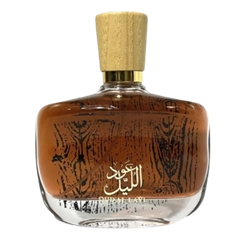
Then there is the other buyer. He still likes citrus, but he does not want a fragrance that stays airy all day. He wants something brighter at the top and deeper later on. That is where Meiqi Al Layi becomes useful. It opens with bergamot and lemon zest, then turns through rose, jasmine, and light oud before settling into sandalwood, vanilla, and deep agarwood. That means the freshness is there, but it is not the final message. The final message is wood, warmth, and a darker kind of polish. Al Layi has 12% to 18% concentration and can wear of 8 to 12 hours on skin, with up to 24 hours on fabric. So while it is not the cleaner everyday citrus-first choice, it is a good example of how citrus can work for men who want more presence after the opening lifts away.
This is also where style matters more than people admit. If your idea of a great fragrance is crisp shirt, clean skin, easy confidence, Signature Blend makes more sense. If you want something that starts fresh but lands in a moodier, woodier place, Al Layi gives you that turn. One is easier to wear across the whole week. The other has more shadow and a little more gravity. Neither choice is wrong. They simply answer different versions of the same question: do you want citrus to stay bright, or do you want it to open the door for something deeper?
A final practical point matters here too. Heat changes everything. Fresh citrus structures tend to burn off faster on hot skin, especially in summer or after movement. That is why lighter fresh colognes are often better on clothing or hair in hot weather, rather than only on skin. Application will not rescue a weak fragrance, but it can help a well-built one wear better. And that is really the smarter buying standard: do not buy the first five minutes. Buy the whole arc.
FAQs
Q: Does citrus perfume usually last less than other fragrance styles?
A: Often, yes. Citrus notes are naturally volatile, so they fade faster unless the fragrance has enough support underneath from woods, amber, patchouli, musk, vanilla, or other lasting materials.
Q: What makes a citrus perfume smell more masculine?
A: Usually it is not the citrus itself. It is what surrounds it. Vetiver, patchouli, amber, woods, lavender, herbs, and dry musks often pull a citrus fragrance toward a more masculine feel.
Q: How can you make a citrus perfume last longer?
A: Look for a stronger concentration than basic cologne strength, pay attention to the base notes, and use it more strategically in hot weather. On lighter fresh builds, clothing or hair can sometimes hold scent better than hot skin alone.
Q: Is citrus perfume only good in summer?
A: No. It is naturally strong in hot weather because it feels light and clean, but a citrus fragrance with enough structure underneath can work well year-round. The real issue is not the season. It is whether the fragrance has enough body to last.