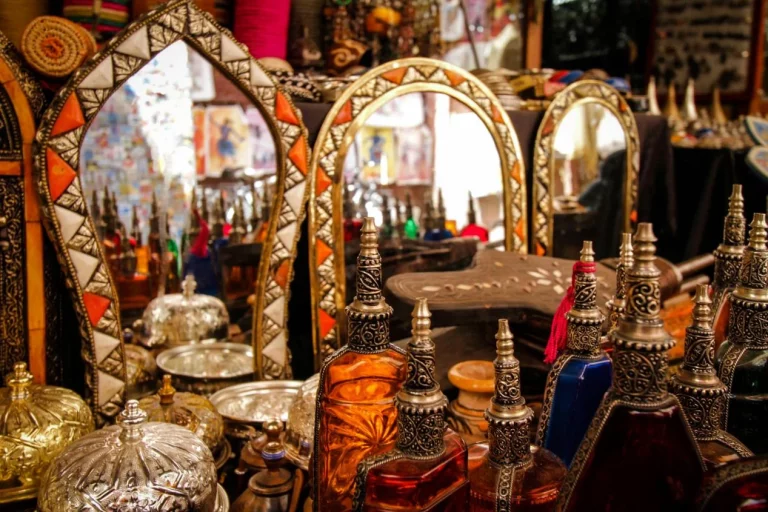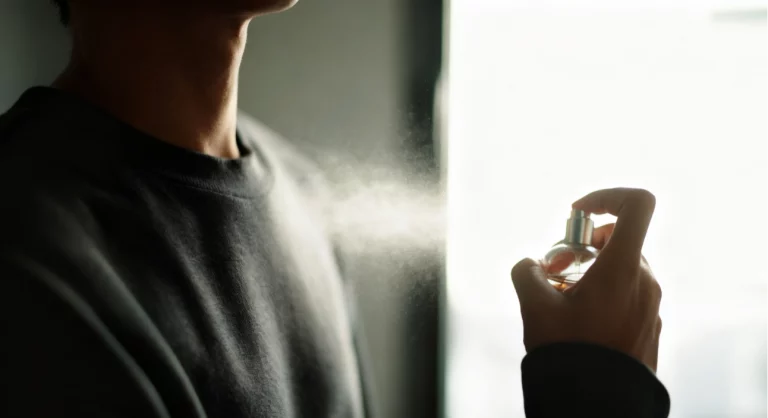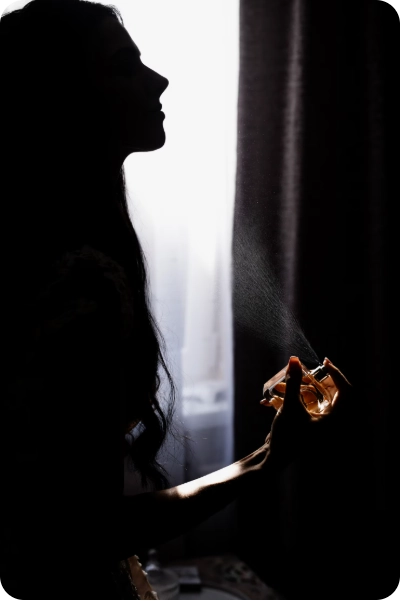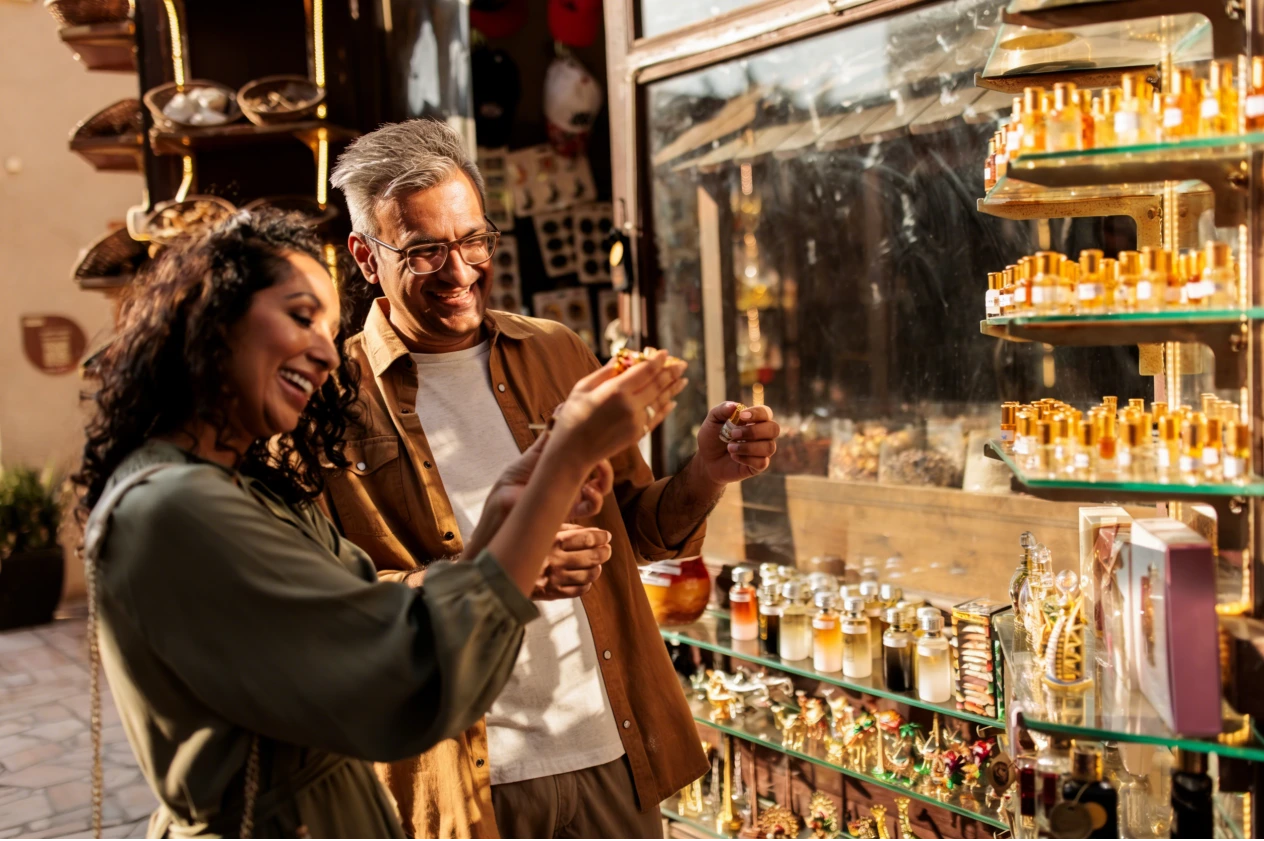
Step into the duty-free area at any big airport, say from Heathrow to Hong Kong, and shut your eyes. A decade back, you could right away spot the shelf with Arabian perfumes. The atmosphere hung thick with strong Rose and a sharp, barn-like Oud. It stood out, yet it also split opinions. These days, though, that sharp divide has softened. The smell in the air feels refined, light, and broadly liked, while it keeps a hint of strange allure. We see a steady change on the displays. The worldwide interest in Middle Eastern fragrance has moved from dense, cold-weather heavy hitters to smells that match a city-based way of life. Facts back this up. Market studies show that while old Oriental perfumes hold steady, the rise in “updated” or “mixed” Arabian smells has beaten the overall market by about 15% in the past three years.
For shop owners and company leaders, this spot hits just right. Buyers seek the charm and staying power of the East. However, they prefer it brought with the crispness and ease of the West. They hunt for unique smells that do not signal their coming five minutes early. Instead, these leave a lasting mark after they go. This piece looks at these changing flows. It breaks down the exact scents and new ideas shaping the next ten years of scent-making.
The Evolution of Modern Arabian Perfumery
The scent business tends to swing like a pendulum. After seasons of simple, water-like, and faint smells ruling Western shops, the swing went strong toward thick Ouds in the 2010s. Now, it rests in between. This even point is what we call modern Arabian perfumery. It skips raw strength. Instead, it stresses form and fine points.
To grasp this group, consider the shifting crowd. The current buyer travels a lot and handles digital tools well. They build up their smells in layers. They use perfume at the gym, work, and on outings. A dense, beast-like Oud just does not fit a morning meeting in a clear-walled room. As a result, scent makers have adjusted. They take the basic setup of Arabian smells, with its stress on bottom notes and lasting time. Then, they remake the top parts with easier stuff.
This change opens big opportunities for companies. By carrying smells that link this space, you draw in the steady fan who likes solid results and the fresh face who fears too-strong odors. It forms a secure, money-making center spot.
The Surge of Fresh Woody Scents
Maybe the top money-making side group from this change is the idea of fresh woody scents. In the past, wood served as a bottom note. It felt weighty, shadowy, and steady. It brought to mind book rooms and woods. But fresh pulling methods and man-made scent bits have let makers make wood seem “see-through” and “raised.”
Picture the smell of Cedarwood or Sandalwood. But rather than smooth and dense, it acts like peeled bark drifting in seawater or sprinkled with smashed citrus peel. This matches the style of the Al-Layi High-End Middle East Perfume. It grabs the steady heat from Middle Eastern woods. Then, it adds a quick lift at the start.
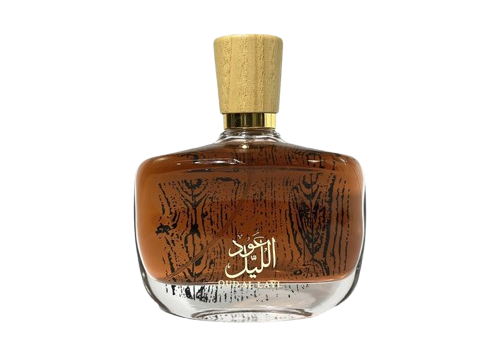
Why is this trending?
- Seasonality: Unlike traditional Orientals, these can be worn in high summer heat without becoming cloying.
- Gender Fluidity: Men love the dry wood; women love the lack of floral sweetness. It is truly unisex.
- Performance: Wood molecules are large and heavy, meaning they stick to the skin. By pairing fresh top notes with a woody base, you get a fresh scent that actually lasts 8 hours—a rare feat in perfumery.
Making “Heavy” Notes Wearable
The magic of this evolution lies in the blending technique. A skilled perfume manufacturer knows that you cannot simply mix lemon juice with oud oil and hope for the best. It requires a chemical bridge.
We are seeing a rise in the use of Ambroxan and Iso E Super in modern Arabian perfumery. These aroma chemicals act as a spotlight. They don’t smell like much on their own—maybe a vague amber or cedar—but they add diffusion. They make the heavy traditional oils “pop” off the skin and radiate intimately. This creates a “your skin but better” effect that is incredibly popular with the younger demographic (Gen Z and Millennials) who prefer fragrances that feel like an aura rather than a costume.
Exploring the Menu: Gourmand Fragrance Notes
As woods turn crisper, sweet parts grow deeper. The next key support in this trend push is the remake of the “gourmand.” These are smells like food items. Yet, we stand far from teen sprays that mimic vanilla cakes.
The fresh group of gourmand fragrance notes in the Middle Eastern area feels refined, full, and often tasty. It pulls from the area’s welcome ways: Arabic coffee (Qahwa), dates, saffron tea, and spiced sweets. These smells touch a basic brain part tied to ease and food. That makes them draw buyers on an emotional level.
Complexity Over Sugar
The difference between a cheap gourmand and a luxury one is the sugar content—or at least, the perception of it. High-end luxury scent innovation focuses on dry sweetness.
- Spiced Vanilla: Instead of baking vanilla, we see Madagascar vanilla bean paired with black pepper or cardamom. This cuts the sweetness and adds a vibration of heat.
- Roasted Notes: Coffee, toasted hazelnut, and burnt sugar (caramel) are huge right now. They add a bitter counterpoint that makes the fragrance feel adult and serious.
- Honey and Tobacco: This is a classic combination that is seeing a revival. The animalic quality of raw honey blends perfectly with dry tobacco leaf, creating a scent profile that screams “old money.”
For a brand, adding a sophisticated gourmand to your lineup is essential for the Fall/Winter season. It is the olfactory equivalent of a cashmere sweater—cozy, expensive, and comforting.
The Role of Texture in Scent
It might sound strange to talk about “texture” in smell, but that is exactly what consumers describe. They want scents that feel “creamy,” “dusty,” or “velvety.”
Gourmand notes provide this texture. Lactonic (milky) notes are increasingly popular in the Middle East, often paired with sandalwood. This creates a creamy, skin-scent effect that is very intimate. As a distributor, looking for descriptors like “whipped,” “roasted,” or “creamy” in product descriptions can guide you toward these best-sellers. The goal is to offer a sensory experience, not just a smell.
Beyond the Classics: Alternative Oriental Fragrances
The market fills up with “Rose-Oud” pairs. While that standard twosome always holds room, the bold buyer seeks what follows. They want the strange feel of the Orient without the usual line.
This wish for new things pushes the growth of alternative oriental fragrances. These smells use stuff from the area or with old meaning, but skipped for Oud. Here, a company can set itself apart. If rivals sell a dark bottle of Oud, you offer a gold one with Saffron and Leather.
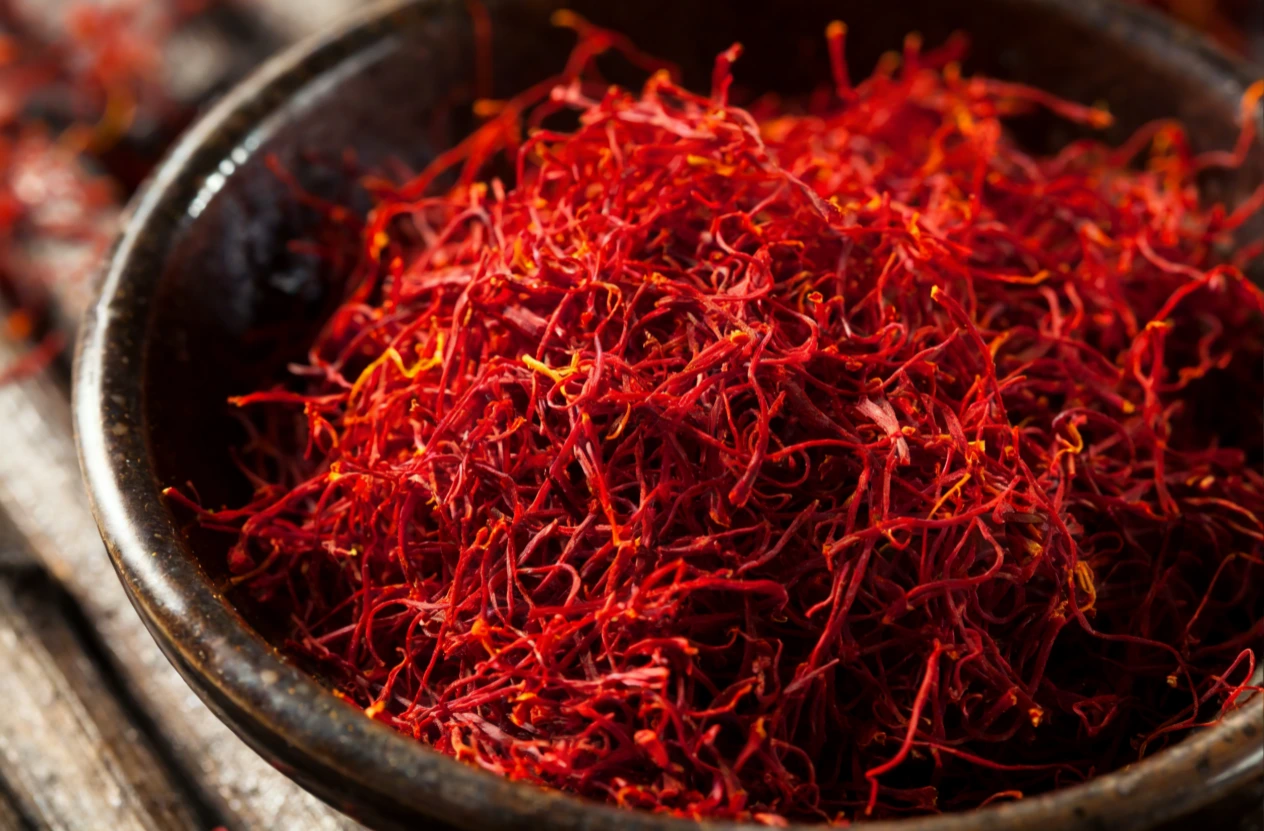
- Saffron (The Red Gold): Saffron is expensive, leathery, and hay-like. It adds a metallic, cold heat to perfumes that is incredibly modern. It screams luxury because everyone knows the cost of the raw material.
- Incense and Myrrh: Moving away from the sweet church incense, modern blends use dry, cold incense notes. It feels spiritual, clean, and meditative.
- Leather and Suede: Soft suede accords, often paired with raspberry or thyme (the “Tuscan Leather” DNA), continue to perform exceptionally well. They project power and confidence.

The Business of Smell: Choosing a Perfume Manufacturer
You can have the best concept in the world—a saffron-vanilla blend with a fresh bergamot top—but if the juice is unstable, your brand is dead. The bridge between a marketing idea and a physical product is the perfume manufacturer.
In the fragrance industry, the manufacturing process is not just about mixing liquids. It is about maturation (maceration), filtration, and stability. Alcohol is a solvent; it changes things. A citrus note might smell amazing on day one but vanish completely by day thirty if not properly anchored with fixatives. This technical reality is why the choice of partner is the single biggest risk factor for any fragrance business.
Stability and Longevity
One of the biggest complaints from end-consumers regarding “dupe” brands or lower-tier market entries is that “it smells like alcohol for the first five minutes.” This is a sign of poor manufacturing—specifically, insufficient maceration.
High-quality manufacturing involves letting the concentrate sit in the alcohol for weeks, sometimes months, at controlled temperatures before bottling. This allows the chemical reactions to settle, resulting in a smooth, round opening. At Meiqi, we adhere to strict maturation protocols. Whether we are producing a complex fresh woody scent or a delicate floral, the process cannot be rushed.
From Concept to Shelf
The final piece of luxury scent innovation isn’t the liquid; it’s the glass. In the Middle Eastern market specifically, the bottle weight conveys value. A light, plastic-feeling cap can ruin the perception of a $100 juice.
A capable manufacturer provides the full ecosystem. They don’t just sell you the oil; they advise on the pump quality (invisible dip tubes are a trending demand), the spray dispersion width, and the cap’s magnetic closure force. These tactile details are what turn a first-time buyer into a repeat customer. When promoting products like the Al-Layi collection, notice how the physical weight of the product aligns with the olfactory weight of the fragrance. It is a cohesive package.
Conclusion
The era of “Oud or nothing” is over. The Middle Eastern fragrance landscape has blossomed into a diverse garden of fresh woody scents, rich gourmand fragrance notes, and innovative alternative oriental fragrances. This diversification is good news for business. It opens the door to a wider audience—those who admire the exoticism of the East but demand the wearability of the West.
Capturing this market requires more than just following trends; it requires executing them with precision. The difference between a hit product and a clearance item often comes down to the quality of the blend and the stability of the production.
As you build your portfolio for the coming season, look for these “bridge” scents. And if you are looking for a partner who understands the nuance of modern Arabian perfumery—from the chemistry of the juice to the weight of the cap—Meiqi is ready to assist. Contact us to discuss how we can help you manufacture the next bestseller.