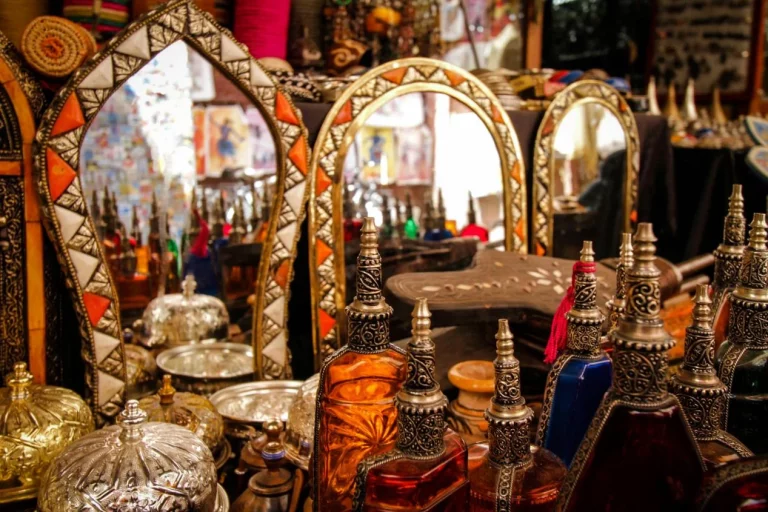
Arabic perfumes attract people with their rich, warm, and detailed smells. These scents come from a deep cultural past where fragrance shows spirituality and welcome. Makers use old methods like steam separation to create them. Key materials include costly oud, flower-based rose and jasmine, and cozy resins such as amber and frankincense. Their oil forms provide excellent staying power and a stepped scent experience. Current brands like Meiqi respect these customs while making reachable, strong-quality fragrances. This lets the lasting skill of Arabic scent creation reach people around the world.
The Allure of Arabic Perfumes in Modern Perfumery
Defining the Essence of Arabic Perfumes
Arabic perfumes gain praise for their strong smell patterns that bring out warmth, attraction, and secrecy. The main trait of Arabic perfume comes from its warm, spicy, attractive, unusual, and detailed aromas. Creators build them from local materials and traditions. These scents often show strength and great lasting time because of their oil base, setting them apart from Western alcohol-based ones.
Different from Western scent making that favors quick top notes, Arabic perfumes focus on depth and length and tend to use thick oils that change slowly on the skin. The lack of alcohol not only makes them kinder to delicate skin but also boosts the fullness and endurance of the aroma.
For numerous people, putting on Arabic perfumes goes beyond a simple smell event. It serves as a display of cultural background and personal grace. In general, perfume in Arab areas often rises above a basic beauty item, and it links closely with religious, spiritual, social, and creative practices that form a captivating and detailed realm.
The Role of Fragrance in Arabic Culture
Perfume holds a firm place in the everyday habits of Arab groups. It appears often in social meetings, religious events, and welcoming actions. In Arab thinking, cleanliness stands as the top part of life. Spices help keep cleanliness, and they even reach the status of “Sunnah”, which mens that using spices ranks as one of the top ways to grow closer to divine forces.
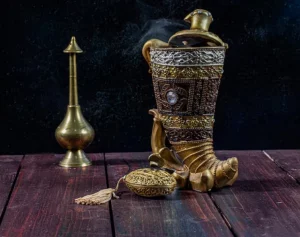
Scents stand for purity and spiritual rise. People apply aromas before prayer as a sign of honor and holiness. In many Arab homes, hosts greet visitors with bakhoor. This scented smoke fills rooms with warmth.
Scent layering is another distinctive practice. People mix different perfume oils, mists, and smoke to build a personal signature aroma that reflects one’s own character and emotion. This art of olfactory layering is passed through generations, deeply entrenched in familial and cultural knowledge.
Historical Foundations of Arabic Perfumery
Origins of Perfume Craftsmanship in the Arab World
The Arabian Peninsula has served as a central area in the past of fragrance for a long time. Its past goes back many centuries to the start of Islamic traditions. Perfumes held important places in trade paths that connected Asia, Europe, and Africa. Routes across Arabia carried plenty of smell treasures like resins, woods, and spices. These became basic parts in scent creation.
Effects from Mesopotamian, Egyptian, and Persian groups helped form early perfume ways. Arabic experts improved separation methods during the Islamic Golden Age, greatly advancing the global perfume production.
Cultural Transmission Through Fragrance Traditions
Perfume formulas are passed down by word of mouth in the past, preserved by families or small artisanal circles. These formulas often carried special meanings or tied to certain occasions like marriages or religious customs.
Aroma habits marked—and still mark—the moments of key life. At weddings, for example, people often rub luxurious oils like oud or rose attar on the bride and groom. These smell practices not only honor happiness but also build enduring feeling links to scents.
Traditional Techniques Behind Arabic Perfume Creation
Steam Distillation and Oil Infusion Methods
Arabic scent makers depend on long-standing removal ways to keep the true nature of natural parts. Steam distillation sees common applicatons to gain pure essential oils from plants like rose or agarwood (oud). This holds their wholeness and smell depth.
Oil soaking provides another way to enrich aroma patterns without changing source items. This step lets materials like saffron or sandalwood give their fullness slowly into base oils such as jojoba or almond.
These ways take much time but produce outstanding outcomes. Fragrances open up step by step on skin with layered depth.
Evolution from Ancient Craft to Contemporary Formulations
Current Arabic scent makers mix heritage with new ideas in clever ways. They keep classic recipes and materials while adjusting scent builds to fit today’s tastes.
Brands like Meiqi show this combination well. They create perfumes that hold cultural truth yet give ease for users worldwide. Their scents balance real nature with polish. This captures both history and modern grace.
Signature Ingredients That Define Arabic Perfumes
Oud: The Heart of Arabian Luxury Scents
Oud—known also as agarwood—stands perhaps as the core of Arabic scent making. Arabian oud (or agarwood) remains greatly desired in Arabic perfumery. Agarwood carries a deep, woody smell. It releases smoky, resin-filled strength that feels steady and lavish.
As a main scent in Middle Eastern perfume work, it shows strong woody and smoky tones. This builds a secretive and costly feel. Because of its scarcity—formed only when Aquilaria trees face a certain mold—pure oud holds high value. People often save it for special times.
Floral Accords: Rose and Jasmine
Roses occupy a respected spot in Arabic fragrance customs. Damascus rose, a mixed rose from Persia, serves as a vital part in Middle Eastern perfumes. It gives a gentle and scented flower aroma. Taif roses from Saudi Arabia add sweet-spicy touches that lift heavier mixes.
Jasmine pairs with rose by bringing creamy flower notes that ease resin bases like amber or musk. Besides the main parts listed, Arabic perfumes also include classic scent materials such as jasmine, amber, and musk.
Warm Resins: Amber, Musk, Frankincense
Amber supplies balsamic warmth that boosts staying time. Musk adds an animal-like depth—earthy but clean—that holds lighter flower notes.
Frankincense, a scented resin from evergreen trees in the olive group, acts as a key part in all Arabic perfumes. Long ago, frankincense ranked as the world’s costliest spice. Its holy nature fits well for spiritual places or thoughtful wear.
Spices and Woods: Saffron, Sandalwood
Saffron—a spice valued for food and smell uses—brings golden light with mild bitterness to top notes. Saffron also appears often in Arabic perfumes.
Sandalwood offers creamy softness that calms the edge of resins or spices. A special wood named sandalwood sees common applications in Arabic perfumes too.
Understanding the Use and Structure of Arabic Perfumes
How to Apply Arabic Perfume for Maximum Effect
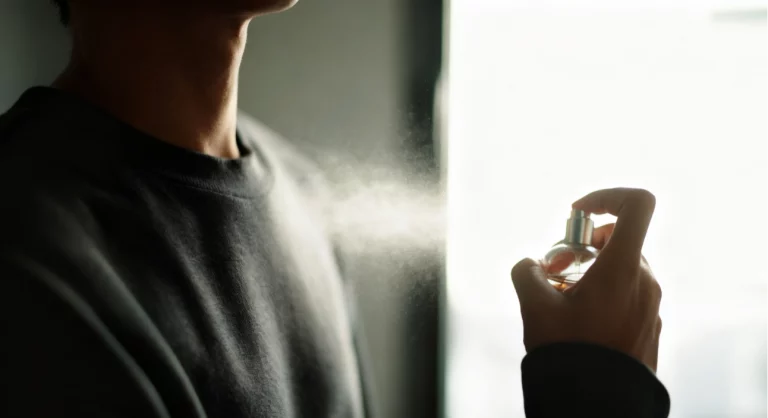
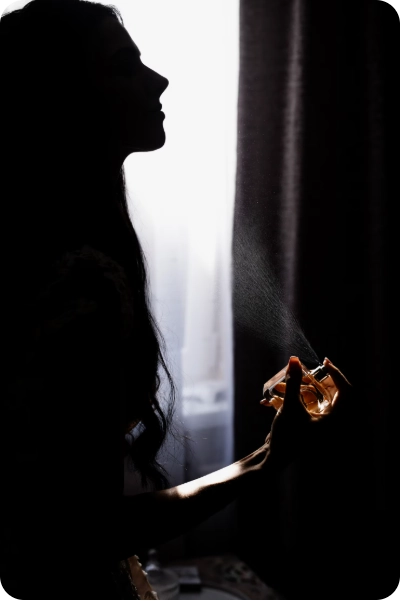
Arabic perfumes are best applied on pulse points such as wrists, neck, and behind ears where body heat facilitates diffusion. Because these scents are oil-based, they cling longer to skin and evolve more slowly over time.
To increase spread and depth, combining methods need to be improved. Begin with unscented body oils or creams to form a base layer. Then put on perfume oils, followed by mists or bakhoor.
Interpreting Fragrance Composition: Top–Heart–Base Notes
Similar to all perfumes, Arabic fragrances follow a ranked buildup:
- Top Notes: First feelings like saffron or citrus that fade fast.
- Heart Notes: The main character made of flowers such as rose or jasmine.
- Base Notes: Enduring holders like oud or amber that stay for hours.
This buildup guarantees a changing smell trip instead of a fixed one.
Shelf Life and Storage Best Practices
To keep strength and quality, it is necessary to place perfumes away from sunlight in cool environments. Most oil-based perfumes stay steady for 3–5 years with proper care. Dark glass containers further protet against air damage.
Recommended Products by Meiqi
100ml Original 1–1 Cologne Unisex Perfume
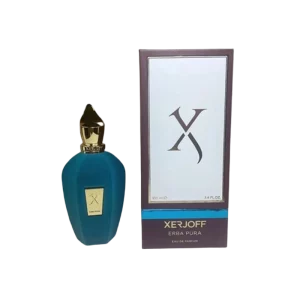
The 100 ml original 1-1 cologne unisex perfume features a well-balanced blend with robust oud base notes complemented by floral heart accords, making it ideal for both daily wear and formal occasions due to its long-lasting formulation.
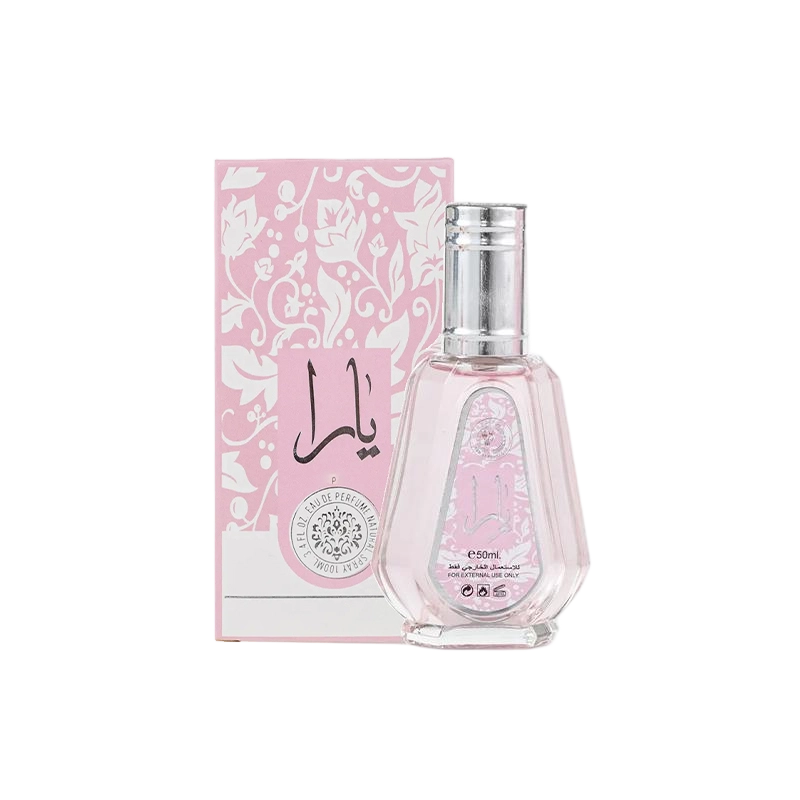
YARA Perfume – For Women
The YARA perfume features rose petals layered over an amber musk base, designed for elegance and allure with a lasting sillage perfect for evening wear.
FAQs
Q: What makes Arabic perfumes different from Western perfumes?
A: Arabic perfumes usually apply oil bases rather than alcohol. This leads to fuller scents that remain longer on skin. They also stress natural resins like oud and amber more than man-made parts common in many Western fragrances.
Q: How should I layer Arabic fragrances effectively?
A: Begin with an unscented cream or body oil to aid holding scent parts. Put thick perfume oils on pulse spots first. Then spray an eau de parfum over clothes or hair for longer spread.
Q: Are Meiqi’s perfumes authentic representations of traditional Arabic scents?
A: Yes. Meiqi’s perfume lines get made with classic materials such as oud, amber, musk, rosewater. They mix in current scent standards at the same time. This provides both real nature and modern charm fit for users around the world.