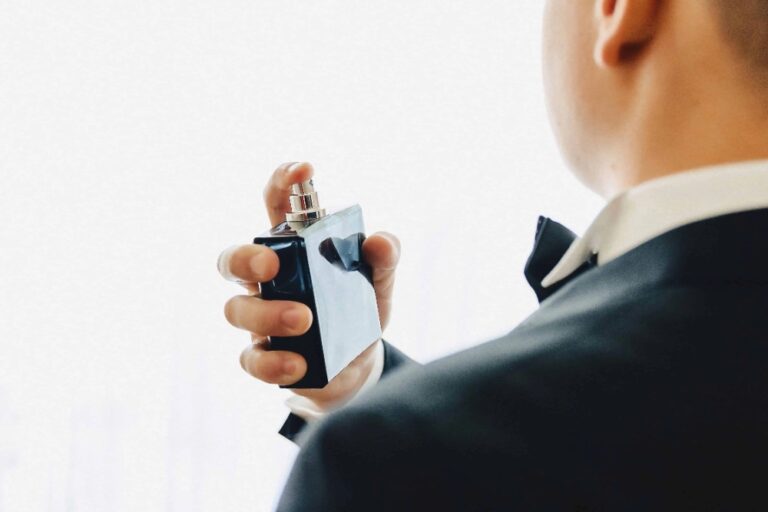
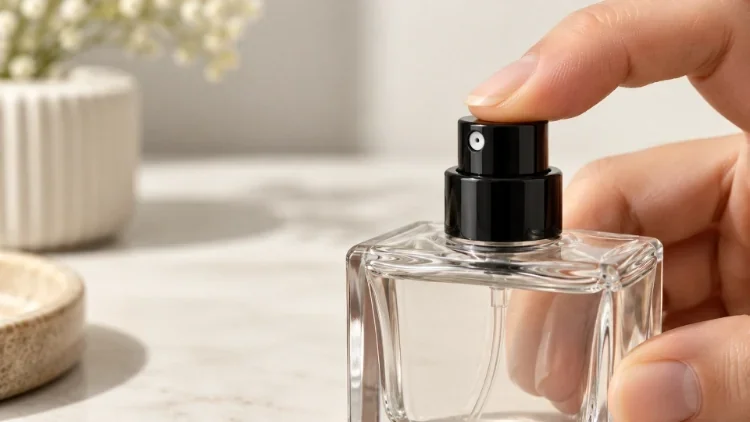
Two perfume bottles can use the same pump model and still feel different when a reviewer presses them. One may need more travel before it sprays, another may produce a broader mist, and a third may not return smoothly after actuation. Those differences can affect customer experience even when the bottles look identical on a packaging board.
Perfume atomizer quality inspection should compare complete bottle-and-pump assemblies under a repeatable method. Yiwuyongqi’s OEM/ODM fragrance development can be discussed alongside the bottle and component choices. The acceptance target should be agreed by the brand and supplier for the specific product; there is no single visual spray description that fits every fragrance package.
For perfume atomizer quality inspection, buyers should identify the intended use, the approval evidence and the owner of the decision.
What should a reviewer observe during actuation?
Begin with the assembled bottle, the intended fill level and the approved atomizer. Record the first press, repeated presses and recovery between actuations. Notice whether the pump moves smoothly, sticks, feels unusually loose or requires an inconsistent action. Use the same orientation and pressing method for each sample so that one reviewer does not compare a gentle press with a forceful one.
Keep handling conditions consistent
Label each bottle and keep it upright for the same period before testing, unless the product’s test plan says otherwise. Check the cap or overcap condition before removing it. If the bottle has been transported or stored differently, record that history. A sample that has been repeatedly handled may not be comparable with a freshly assembled unit.
Record the pump model or supplier reference, bottle, collar and actuator parts. A pump should not be evaluated in isolation from the bottle neck and assembled closure. If the brand changes the bottle or pump after approval, repeat the relevant check because the component fit and user action may change.
How should the spray pattern be compared?
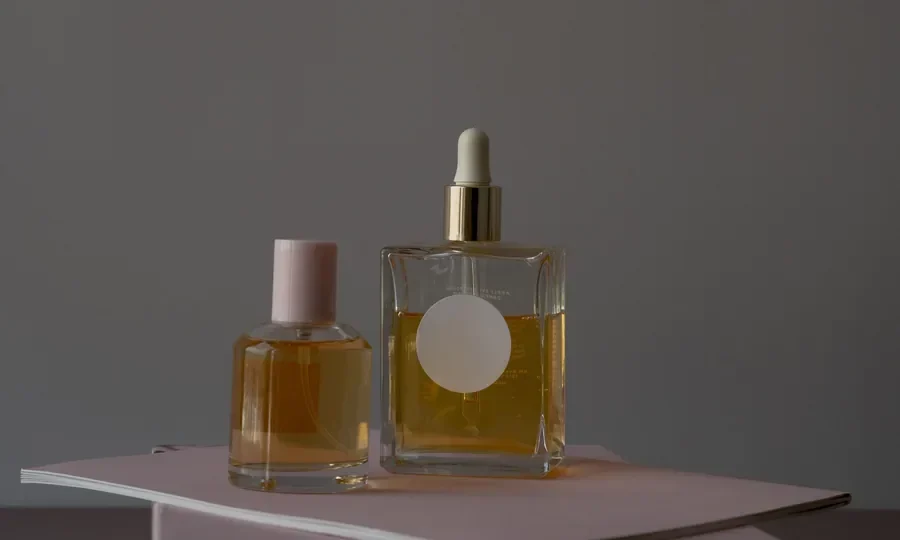
Use a consistent target, distance, bottle orientation and lighting. Observe the spray shape, coverage, direction and whether liquid forms a stream or droplets. If the brand has a defined atomization requirement, use its approved method and acceptance range. If not, record the observed difference and ask the product and packaging teams to agree what is acceptable for the intended fragrance.
Compare several samples, not one successful bottle
Review multiple samples from the same approved configuration and compare them side by side. One bottle can show that the package sprays; it cannot establish consistency across a production sample set. If a sample behaves differently, repeat the test after checking whether the actuator was fully primed or whether the bottle orientation changed.
Avoid using a phone video as the only quality record. A video can show the event but may distort the visible mist because of light, focus or frame rate. Keep written notes and identify each bottle. If a formal spray-pattern test is required, define the equipment, method and acceptance criteria before the production review.
Which assembly issues can change the user’s experience?
Check that the pump, dip tube, collar and bottle reference match the approved bill of materials. A difference in tube length or assembly position can affect how the product draws from the bottle. Review the dip tube path and whether it is kinked or displaced. Do not trim or alter components during a comparison unless that change is part of an approved investigation.
Separate pump behavior from bottle or formula changes
If two samples contain different liquid or fill levels, the team may not be comparing only the pump. Keep formula, fill, bottle and test conditions aligned where possible. If the issue appears after a formula or package revision, record the revision and review the interaction with the responsible product team.
Inspect for leakage as a separate check. A pump can produce an acceptable spray and still fail a closure or transit requirement; conversely, a bottle can remain leak-free but produce an unsatisfactory spray. The quality record should have distinct observations for spray performance, actuation feel and leakage rather than one overall pass/fail note.
What should go into the supplier’s approval record?
The approved sample should identify the bottle, atomizer, collar, dip tube, fill condition, artwork or label and testing method. Capture photographs of the components and record the sample revision. If the brand sets an acceptable spray pattern or actuation range, attach it to the approval document. If acceptance is still under discussion, keep that item open instead of presenting an informal preference as a released specification.
Review production samples using the same method and compare them with the retained reference. If a difference appears, identify the component or condition that changed before requesting a replacement. This makes a perfume bottle supplier conversation more actionable and prevents the brand from asking for “the same spray” without defining what it means.
How can buyers organize a repeatable atomizer review?
Build a small comparison set with a retained reference and clearly identified samples from the current run. Label the bottle, pump or atomizer reference, fill condition and date so reviewers can compare the same configuration. If the samples come from different suppliers or component revisions, keep them separate rather than presenting them as one group of equivalent parts.
Use the same handling sequence for each sample
Agree who will prime the pump, how many actuations are used before observation and how the spray is captured. The exact method should match the buyer’s product and quality process; this article does not prescribe a universal actuation count or acceptable spray result. A repeatable method makes comments easier to compare even when the brand’s final acceptance criteria are still being set.
Record what the team sees using concrete terms: whether the stream is continuous or interrupted, whether the pattern is visibly offset, whether the pump returns as expected, and whether there is leakage around the closure. Note the sample condition and any handling difference. If a reviewer reports that the spray “feels wrong,” ask them to identify the observable feature and the sample where it occurred.
Keep the observation tied to the right component
If one sample sprays differently, compare the bottle, pump, dip tube and fill condition before assigning the cause. Check that the dip tube is not shortened or displaced in one sample and that the pump is the same revision across the set. A difference that appears after the bottle or formula changes may not originate in the atomizer, so record the full package configuration.
If the brand needs to compare samples from several production rounds, retain one approved reference and identify every replacement by date and component code. Store the observation sheet with photographs and the test method. A short note such as “spray pattern differs” is difficult to reproduce; recording the sample, actuation sequence and observed difference gives the supplier a clearer issue to investigate.
Review the result with the person responsible for consumer experience and the person responsible for packaging quality. They may focus on different aspects of the same spray. The approval record should state which acceptance points are mandatory and which are preferences for further development. That gives the next production review a stable standard without turning an informal preference into an unverified technical claim.
When a component is changed, compare the new sample with the retained one under the agreed conditions. A result from a new bottle, fill level or pump revision should not be attributed to the atomizer alone without checking the other changes. Route the observation to the supplier with the sample code and drawing so the response can focus on the relevant part.
Yiwuyongqi’s Gama de productos de fragancias y OEM/ODM inquiry page provide a place to discuss component options. Send the pump reference, bottle drawing, sample observations and requested review method together. For a spray-pattern review or component question, email Yiwuyongqi’s sales team with the product and sample identifiers.
Preguntas frecuentes
Q1: How should buyers compare atomizer samples?
A1: Use the same fragrance fill, bottle, spray count and actuation method for each sample. Record visible leakage, spray pattern and any change in operation, then confirm the acceptance points with the supplier before approving production.
Q2: Can one atomizer be approved for every perfume bottle?
A2: No. Neck finish, dip tube length, cap fit and package design can differ. Approve the atomizer with the intended bottle and components rather than carrying an approval across unverified combinations.
Q3: What should a buyer send with an atomizer inquiry?
A3: Provide the bottle reference, fragrance or sample conditions, target markets, spray expectations, relevant drawings and the observed issue. This lets the supplier review the actual package combination.