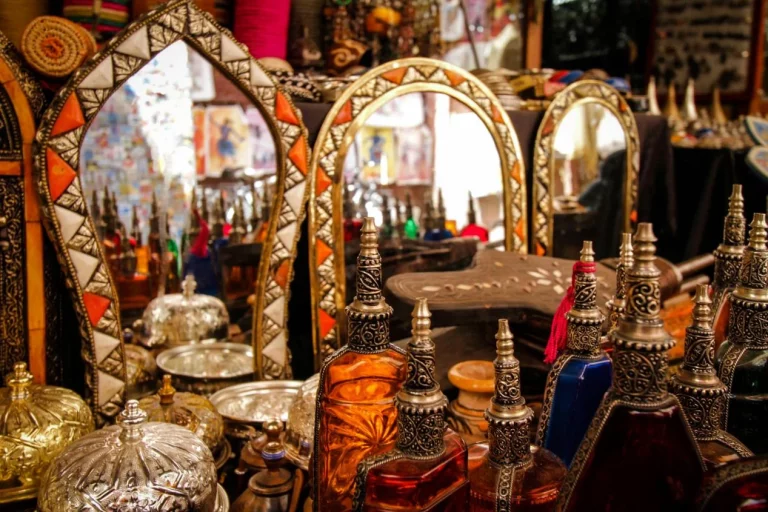
Arabic perfumes grew from old Mesopotamian and Arabian ways. They took shape from religious customs, trade paths, and cultural meaning. Natural items like oud, rose, saffron, frankincense, and ambergris build their warmth, depth, and lasting power through oil-based mixes. Scent in Arab life goes past looks. It stands for spiritual meaning, welcome, and social kindness. Today, new versions keep this past while fitting modern likes. This lets Arabic scent making stay a lasting link between past, culture, and world scent patterns.
The Historical Roots of Arabic Perfumes
Origins of Arabic Perfumery in Ancient Civilizations
The skill of Arabic scent making starts in the first societies of Mesopotamia and the Arabian land. There, sweet materials like resins and spices served for holy acts, healing needs, and body decoration. Ancient Egyptians added much to Arabian scent ways. They brought skills of drawing out and mixing that later grew in Arab ways. Persian scent makers also joined their fine habits with local ones. This formed a clear Arabian smell character.
The shift from burning sweet smoke to making oil-based and liquid scents marked a big step in Arabian scent growth. In general, scent in the Arab world often rises above a simple beauty item. It weaves deep into religious, spiritual, social, and art uses. This builds a hidden and rich world.
The Role of Trade Routes in Perfume Dissemination
The growth and betterment of Arabic scents sped up through old trade paths like the Incense Route and the Silk Road. These ways helped not only business swap of costly items like frankincense, myrrh, saffron, and oud. They also spread scent knowledge across lands.
Its past reaches back thousands of years to the start of Islamic ways. It held a main place in the spice trade that linked Asia, Europe, and Africa. These sweet goods turned into signs of wealth in royal places from Rome to China. This placed Arabic scents deep into world luxury.
Perfume as a Marker of Cultural Identity
Arabic scents have long worked as signs of place and polish. Leaders and high people used them to show strength and holy favor. Smell went beyond looks. It formed part of culture rules—welcome acts often started with gifts of sweet oils or smoke.
Arabian scents stand known for their great smells. Musk, jasmine, amber, and oud build these fragrances. Such use highlighted not just beauty choices but also a strong sense of spiritual and personal meaning.
Cultural Integration of Fragrance in Arab Traditions
Religious Practices and Spiritual Dimensions
Scent holds a holy place in Islamic ways. People often put on perfume before Friday prayers and during holy days like Eid. The Prophet Muhammad’s like for perfume appears in many Hadiths. This stresses its spiritual worth.
In Arab thinking, clean state forms the most key part of life. Spices help keep clean. They even reach “Sunnah” level—using spices counts as one of the best ways to grow close to the divine.
Bukhoor (sweet smoke) finds common use to clean homes and mosques before group meetings or prayer times.
Social Etiquette Surrounding “Itr” (Perfume)
Perfume plays a big part in Arab welcome and social habits. Giving “itr” during weddings or home visits shows respect and good will. Its use covers both men and women. They wear scent daily as part of care.
Arabian ways helped much in growing this group of scents. Wearing perfume counts as an act of faith, clean habits, and social kindness.
Hospitality, Ceremony, and Fragrance Rituals
Sweet acts stand center in Arab welcome. Guests often meet bukhoor or get touched with sweet oils on arrival. These habits raise social events—weddings, births, and holidays—by reaching the senses and honoring ways.
Perfume works as a smell sign of joy, respect, and link during group times.
Core Natural Ingredients Defining Arabic Perfumes
Oud (Agarwood) – The Heartwood Treasure
Arabian oud (or agarwood) gains high search in Arabic scent making. Agarwood brings a deep, woody smell. Taken from Aquilaria trees hit by mold, oud’s scarce nature makes it one of the costliest scent parts worldwide. As a main smell in Middle Eastern scent work, it shows strong woody and smoky tones. This builds a hidden and rich feel.
Taif Rose – Floral Elegance from the Mountains
Gathered in Saudi Arabia’s mountain Taif area, this rose gives a strong flower power unmatched by other kinds. Rose oil finds common place in Arabic scents. The mix of Damascus rose with agarwood and sandalwood keeps soft flower tones while adding woody richness and depth. This mix adds to unisex draw across Eastern scent ways.
Saffron – The Golden Spice in Perfumery
Saffron also finds common use in Arabic scents. Its golden parts bring warmth and light to fragrances while raising depth. Traded long ago across Iran, India, Spain, and Arabia, saffron adds far feel and past weight to scent mixes.
Ambergris – Oceanic Rarity with Sensual Depths
Taken from old whale parts washed to shore by sea flows, ambergris serves as a prized holder. Its musky sweet gives smooth and lasting power to scents—traits needed in old Arabic mixes.
Resins: Frankincense & Myrrh – Sacred Aromatics
Frankincense, a sweet resin from evergreen trees in the olive group, forms a key part in all Arabic scents. Long ago, frankincense stood as the world’s costliest spice. With myrrh, these resins bring holy feel while giving balsamic warmth and richness to scent blends.
Distinctive Characteristics of Arabic Fragrances
Richness Rooted in Nature’s Bounty
The main trait of Arabic perfume rests in its warm, spicy, sensual, far, and rich smells. Makers build them from local items and ways. These scents come from natural sources like oud, rose oil, saffron, musk, and amber instead of made molecules.
Warmth Reflecting Desert Landscapes
Arabic scents mirror their land—earth sands, smoke fires, far spices—caught in smell form. Symbol smells, such as frankincense, oud, saffron, rose, and lily, grow plenty in the area. They often gain fame for their costly, strong, and lasting smells.
Simplicity Coupled with Longevity
Arabic scents often use few yet strong mixes. Their oil-based forms link close with skin nature for long wear without too much richness.
Cultural Resonance Beyond Aesthetics
Perfume in the Arab world often rises above a beauty item. It ties deep into memory acts—from family good wishes to holy events—building lasting feeling links.
Modern Interpretations with Meiqi’s Signature Blends
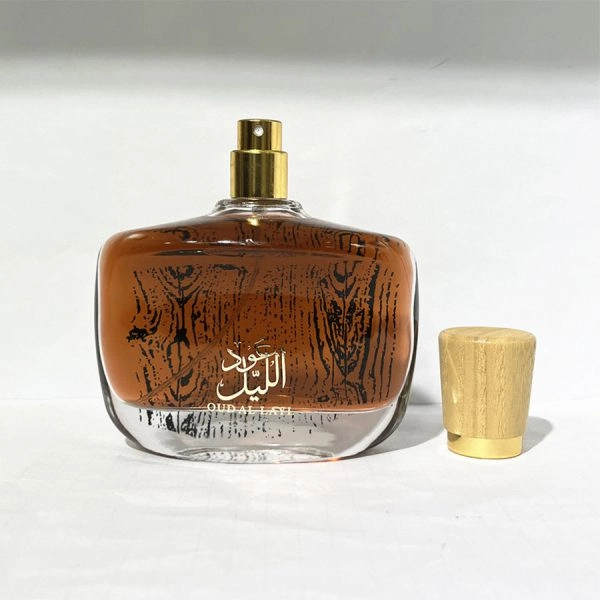
AL LAYI: A Tribute to Traditional Depths with Modern Refinement
AL LAYI perfume is held by rich oud base tones that honor Arab past while softened by Taif rose touches for current grace. It is perfect for those who value ways placed in modern frame.
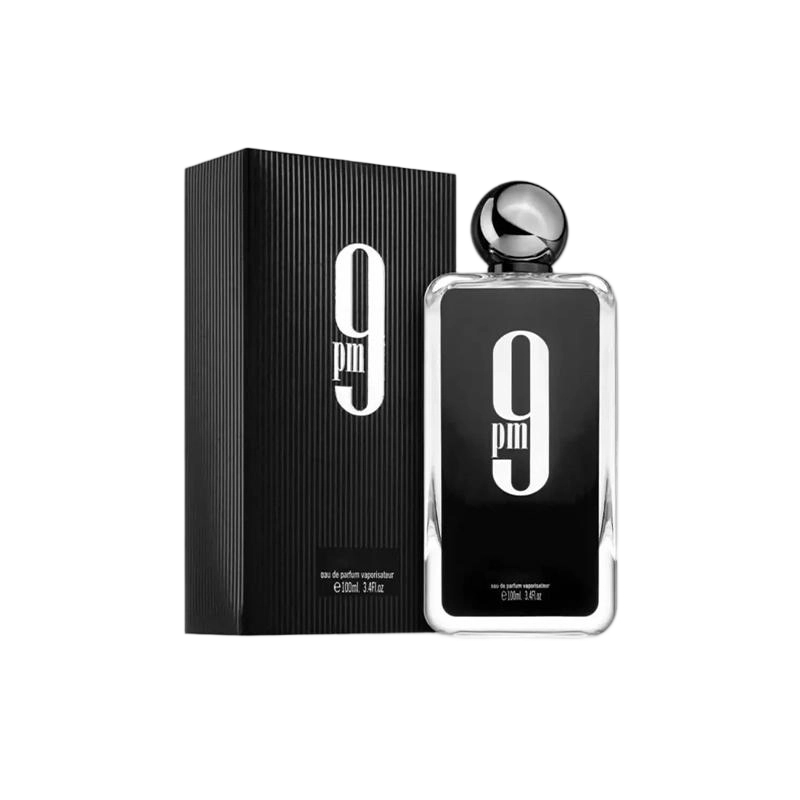
Unisex Cologne at 9PM: Urban Sophistication Meets Oriental Warmth
Unisex cologne at 9PM is a flexible perfume with light spice covers backed by ambergris-like depth. It is suitable for the events from work to night while keeping culture touch.
Timeless Appeal Across Generations & Geographies
Cultural Legacy That Transcends Trends
Arabian scents gain notice for their great smells. Parts like oud keep drawing respect across world special scent markets.
Sensory Bridge Between Cultures
Arabic scents help tell stories through smell—an smell talk that links East and West via shared sense joy.
Relevance to Contemporary Fragrance Aesthetics
As world scent makers seek more natural strength over made short life, Arabic scent ideas inspire simple yet strong smell plans worldwide.
FAQs
Q: What makes Arabic perfumes different from Western fragrances?
A: Arabic perfumes usually use oil-based mixes with natural parts like oud, rose, saffron, frankincense. This makes them richer, stronger, and longer-lasting than alcohol-based Western scents.
Q: How should I apply oil-based Arabic perfumes like AL LAYI?
A: Apply straight to pulse spots such as wrists, behind ears or collarbone area; avoid rubbing after to keep the scent build.
Q: Are Meiqi’s perfumes suitable for all genders?
A: Yes, Meiqi brings gender-free choices like “Unisex Cologne at 9PM,” built with even tones that draw all while honoring old Arabic smell ways.