Why Arabian cologne perfume is more than a scent product but a cultural carrier
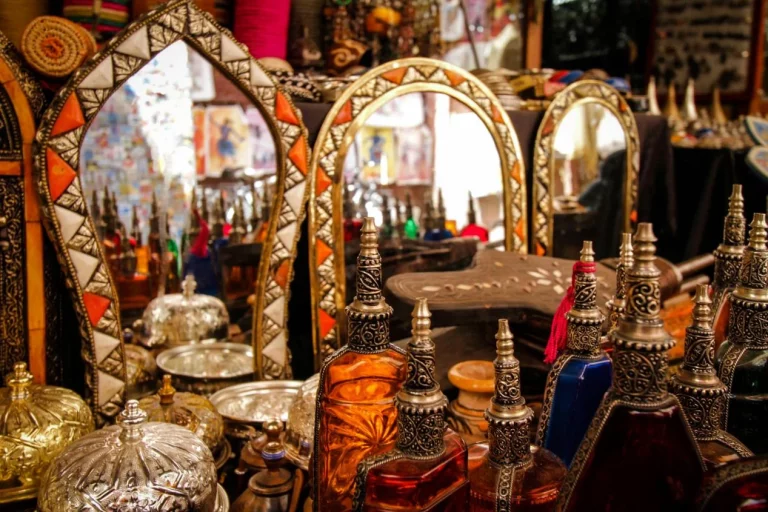
When evaluating an Arabian cologne perfume, you are not simply examining a consumer fragrance but engaging with a cultural system that has evolved for centuries around ritual, hospitality, trade, and identity. In many Middle Eastern societies, fragrance has never been treated as a purely decorative accessory—it functions as a social signal, a spiritual symbol, and a marker of respect.
Traditional Arabian perfumery developed alongside the ancient spice routes linking the Arabian Peninsula with South Asia, East Africa, and the Mediterranean world. Aromatic woods, resins, florals, and balsams were traded not only as luxury commodities but as materials for worship, medicine, and diplomacy. Over time, these materials formed a recognizable olfactory language featuring deep, warm, layered, and persistent scents.
Modern cologne formats introduce alcohol carriers, standardized packaging, and global distribution. However, the cultural “soul” of Arabian fragrance does not reside in the bottle shape or marketing narrative but resides in raw materials, structural design, evaporation speed, and usage context. Whether that cultural character survives depends on how faithfully these technical foundations are preserved.
Why Meiqi’s perfume manufacturing logic matters in preserving traditional fragrance identity?
Rather than positioning itself only as a contract filler, Meiqi operates across the full perfume value chain, covering fragrance oil selection, formula verification, packaging design, bottle sourcing, filling, sealing, and batch-level quality control. We support both OEM &OBM models, which allow partners to provide fragrance samples or essential oils for duplication, refinement, and scalable production while maintaining olfactory consistency across batches.
It is important for Arabian cologne in particular. Traditional scent profiles rely on precise ratios of high-impact materials such as oud, rose, sandalwood, and resinous fixatives. Small deviations in formulation can collapse depth or alter evaporation curves. Therefore, it requires strict control of raw material sourcing, emulsification stability, and the proportion of alcohol and oil balance when replicating at the level of industry.
By integrating formulation development, stability testing, and standardized packaging workflows into one system, Meiqi aims to convert culturally complex scent architectures into products that remain chemically stable, reproducible, and legally compliant in global markets without flattening their aromatic identity.
Why do Arabian fragrances rely on raw materials rather than synthetic accords?
How oud, rose, sandalwood, saffron, and frankincense create cultural continuity instead of simple olfactory impact
In Western perfumery, abstract accords often replace specific natural references. Arabian perfumery follows a different logic, which centers on recognizable raw materials with social and spiritual meaning.
Oud is not merely a woody note, burned in homes, mosques, and ceremonial spaces, and corresponding smoke is a signal of welcome and respect. Besides, damask rose represents hospitality and refinement, and sandalwood anchors compositions with meditative warmth. Saffron and frankincense contribute both scent and symbolic value tied to healing and devotion.
These materials act as cultural constants. Even when synthetics assist in cost control or stability, the structural backbone remains raw-material driven. This continuity ensures that the fragrance communicates familiar emotional codes across generations.
How does traditional fragrance structure differ from Western cologne logic?
Why layered density and long evaporation curves replace light freshness and short diffusion models
Conventional cologne architecture emphasizes rapid projection and short-term freshness. Citrus and herbal top notes dominate the first minutes, while bases fade within hours.
Traditional Arabian structures invert this priority. Top notes exist mainly to introduce the composition, while the true character emerges in the heart and base, often intensifying over time as heavier molecules evaporate slowly. Resinous woods, balsams, and animalic traces unfold gradually, sometimes lasting more than a day on fabric.
This temporal design mirrors cultural use. Fragrance accompanies social gatherings, prayer, and evening hospitality, not brief daytime encounters. Longevity is, therefore, not a luxury feature but a functional requirement.
Can modern cologne formats truly preserve traditional Arabian scent depth?
Why alcohol balance, oil concentration, and fixation strategy determine whether cultural character survives commercialization
The transition from oil-based attars to alcohol-based colognes introduces technical risks because alcohol accelerates evaporation and can thin complex structures if concentration is reduced.
Preservation requires three elements:
- Sufficient oil loading to maintain density.
- Fixatives that slow molecular dispersion.
- Alcohol grades that do not distort delicate resin profiles.
Without these controls, the fragrance becomes culturally generally pleasant but disconnected from its roots.
How does packaging influence the cultural perception of Arabian perfume?
Why do bottle material, sealing performance, and light protection affect both fragrance chemistry and symbolic value
Glass dominates premium perfume packaging for chemical reasons, as it is inert, impermeable, and resists oxidation, and these properties protect volatile oils from reacting with oxygen and ultraviolet light.
Symbolically, weight and clarity convey permanence and respect. A fragile plastic container contradicts the cultural narrative of dignity and longevity associated with traditional Arabian scents.
Modern cosmetic manufacturing standards, therefore, specify high-seal glass systems and controlled filling environments to protect fragrance integrity.
How do modern consumers encounter traditional Arabian fragrance through contemporary cologne products?
Why long-lasting unisex cologne design bridges ritual fragrance with daily wearable culture
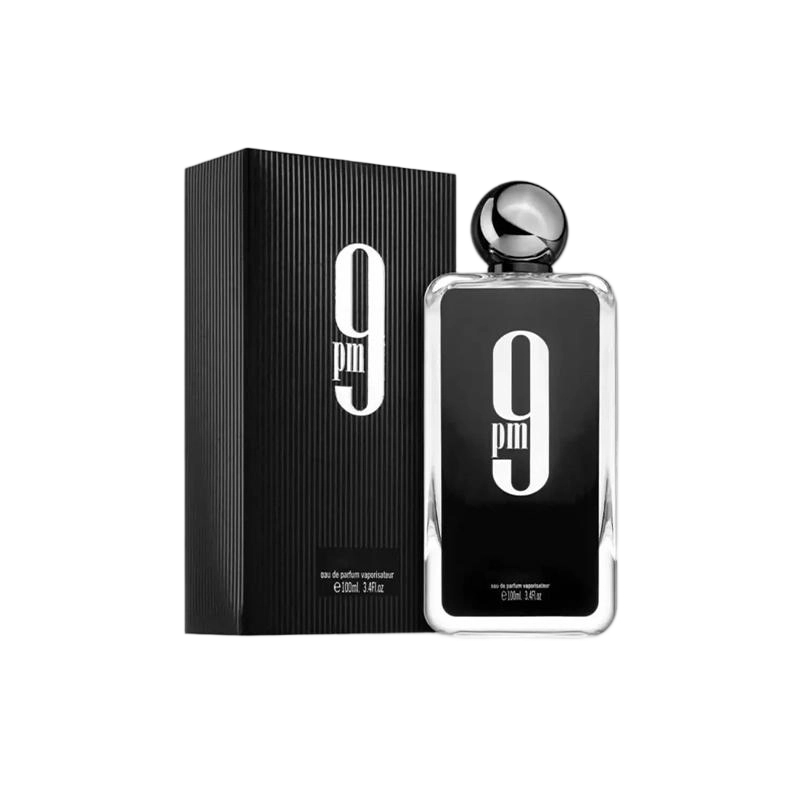
A practical illustration of cultural translation is the product category represented by unisex cologne perfume at 9 pm, featuring luxury and long-lasting time. Its structure aligns with traditional expectations—dense base materials, restrained top notes, and extended persistence. Evening-focused positioning reflects traditional social rhythms, where scent becomes more prominent after sunset gatherings.
Does the fragrance note system support cultural storytelling?
Why are ambery structures replaced by “oriental” naming, but retained symbolic warmth and ritual density
International standards have largely replaced the term “oriental” with “ambery”, but the chemistry did not change.
Amber accords still combine resins, balsams, vanilla derivatives, woods, and spices. These components replicate the warmth and depth central to Arabian olfactory heritage. The classification system can be modern, but the material architecture continues to narrate the same story.
How does large-scale manufacturing avoid damaging traditional scent identity?
Why formulation control, oil sourcing, and batch consistency decide cultural authenticity
Scaling production introduces variability risks, such as inconsistent resin viscosity, fluctuating oil purity, and alcohol interactions.
Advanced cosmetic manufacturing mitigates this through standardized formulation matrices, controlled emulsification procedures, and post-filling stability testing. These methods are already applied in complex beauty products such as long-wear foundations and polymer-based cosmetics to maintain sensory consistency across millions of units.
In fragrance, the same methods ensure that cultural scent signatures do not drift over time.
Can modern long-lasting Arabic cologne remain authentic while serving global markets?
How oil richness, smoke-wood base, and low pungency design adapt tradition to contemporary skin chemistry
Another example appears in a long-lasting original unisex Arabic cologne perfume. Pungency is softened to suit modern sensitivity, and the perfume maintains resin-wood dominance. This balance allows the fragrance to remain culturally recognizable yet socially adaptable across regions.
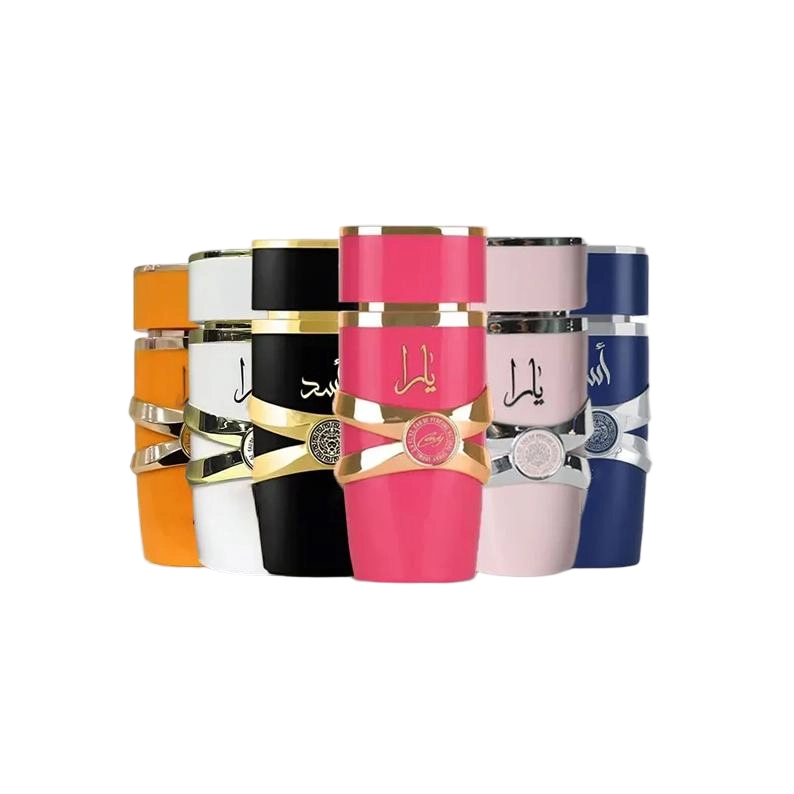
Why traditional Arabian cologne preserves culture through structure, not nostalgia
Cultural preservation in fragrance does not depend on romantic storytelling but on materials, formulation ratios, evaporation behavior, and usage design.
Modern Arabian cologne perfumes succeed when they treat tradition as an engineering specification rather than a marketing theme. When raw materials remain central, structures remain dense, and manufacturing discipline remains strict, the cultural soul persists even in glass bottles shipped worldwide.
FAQs
Q1: Why is oud considered irreplaceable in Arabian perfume culture?
A: Because it functions simultaneously as a scent material, a ritual substance, and a social symbol used in hospitality and religious contexts.
Q2: Can alcohol-based cologne truly reflect traditional oil perfumes?
A: Yes, when oil concentration, fixation strategy, and evaporation control are properly engineered.
Q3: Does mass production weaken cultural authenticity?
A: Only if formulation discipline and material sourcing are compromised. With strict control, large-scale production can preserve traditional scent structures consistently.