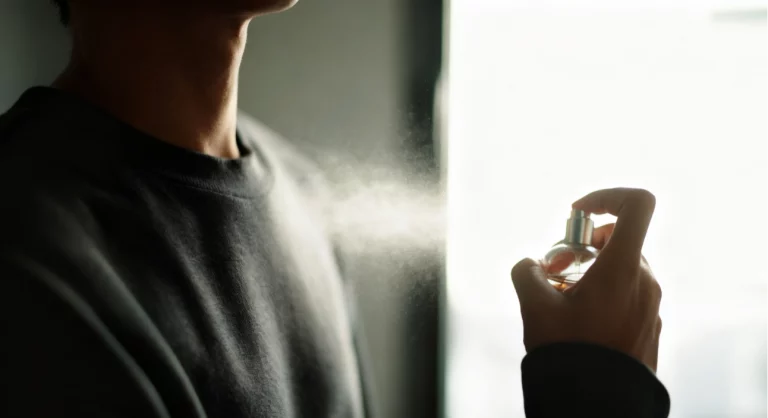
Choosing a man’s fragrance is not a cosmetic decision, but a way of personal signaling that operates silently yet persistently. Long after a conversation ends, scent continues to shape memory and emotional tone. For those who value consistency in personal image, fragrance becomes part of behavioral design rather than a decorative detail.
The most effective selections are not trend-driven, but result from alignment between personality structure, lifestyle rhythm, skin chemistry, and fragrance architecture. When these elements are harmonious with each other, scent stops competing for attention and begins working as an extension of identity.
Why does personal identity matter more than trends in fragrance selection?
Trends transform every season, but identity does not change easily. A fragrance that contradicts the people’s natural temperament causes tension, while one that is consistent with it strengthens perception. People may not consciously analyze your scent, but they respond to its emotional aspects—confidence, calmness, authority, warmth, or restraint.
Personality expression
Your scent profile communicates before you speak.
- Woody and resinous structures often signal control, depth, and reliability
- Citrus-dominant or aromatic structures suggest agility and openness
- Spiced or smoky accords convey decisiveness and complexity
None is superior, but each supports a different psychological state. When fragrance reflects how you perform under pressure, negotiation, or leading ways, others experience consistency rather than contradiction.
Social perception
In professional opinions, scent acts like vocal tone—Too sharp, it distracts, while too faint, it disappears. Balanced projection builds presence without intrusion. This balance is easier to achieve when your fragrance family already fits your behaviors.
How should lifestyle influence your fragrance choice?
Identity defines direction, but lifestyle defines execution. A fragrance that performs well in one context can lose its effect in another. The daily environment determines volatility, diffusion, and social tolerance.
Work scenarios
Office settings reward precision and restraint. Lower sweetness, controlled projection, and stable base notes prevent sensory fatigue in shared spaces. Evening settings allow more density, resin depth, or spice complexity.
Climate adaptation
gnoring climate often leads to overdosing or the rapid disappearance of scents. Heat accelerates evaporation, humidity amplifies sweetness, and cold air suppresses diffusion. To be specific, lighter concentrations or drier woods remain clearer longer in warm climates, while richer bases sustain presence in cooler regions. I
What role does skin chemistry play in fragrance performance?
Even the same perfume with the identical formulas can perform differently across users. Because skin acidity, hydration, and natural oils influence molecular behavior, what smells smooth on one person may turn sharp on another.
Longevity differences
Dry skin absorbs fragrance quickly, thus shortening its lifespan, while oily skin slows evaporation, so that extending projection. This explains why two people wearing the same perfume experience different endurance.
Note distortion
Acidic skin can brighten citrus excessively, while dry skin may flatten floral layers. Resin-heavy bases such as oud or sandalwood tend to remain stable across most chemistry types, making them reliable anchors.
How can fragrance structure guide smarter selection?
Choosing by opening notes alone is a common mistake. Architecture matters more than the first impression.
Top, middle, base
Top notes sell the fragrance, and base notes define the relationship. High-quality compositions reveal themselves gradually, which is demonstrated by the fact that the middle stage establishes character, and the base, with ingredients such as woods, resins, and musks, determines memory.
Concentration levels
The perfumes can be divided into three categories based on the concentration of perfume, each of which can convey different feelings.
- Eau de toilette favors agility and light diffusion
- Eau de parfum extends structure and projection
- Parfum emphasizes intimacy and persistence
Concentration levels should be adjusted to the environment, instead of the ego.
Which scent directions suit different personality profiles?
Certain families consistently align with specific psychological patterns.
Woody and resinous types
If your working style values stability, controlled authority, and long-term influence, woody structures form a reliable foundation. Oud-based compositions are particularly effective due to their depth and low volatility.
A practical example is this 90ml oud wood men’s cologne perfume spray, which centers on dense wood resins with slow evaporation and restrained sweetness.
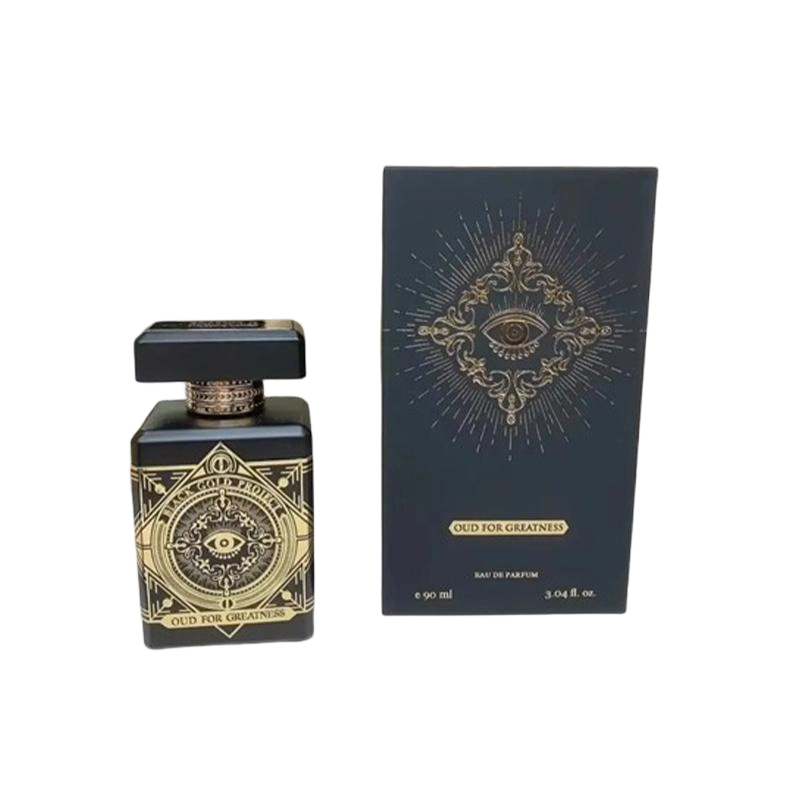
Oud has long served as the structural core of Middle Eastern perfumery, valued for its smoky depth, rarity, and ceremonial role in both social and professional life
Deep oriental profiles
If you favor ritual, formality, and long-lasting presence, oriental compositions provide layered complexity, often blending oud, rose, saffron, and sandalwood. These ingredients developed historically within Arabian culture, where fragrance symbolized cleanliness, dignity, and spiritual discipline rather than decoration.
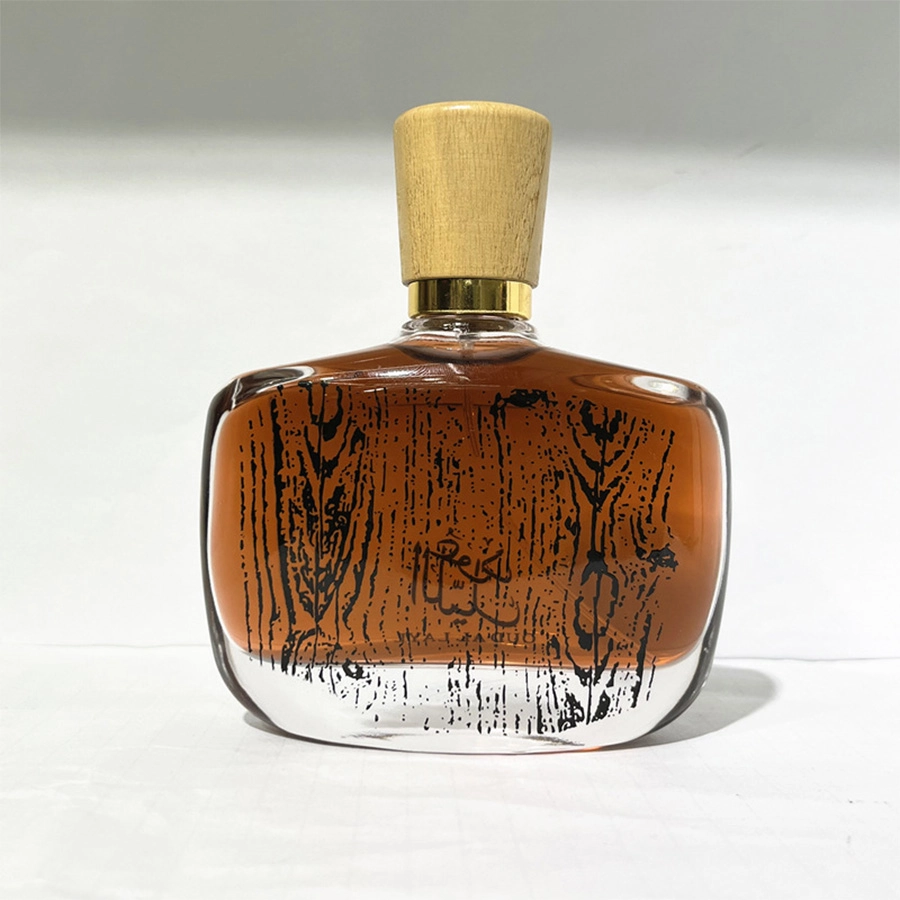
A representative option is AL LAYI Middle East perfume, designed around structured woody-oriental notes.
Where does professional formulation meet personal customization?
Manufacturing quality determines stability, safety, consistency, and how faithfully a scent expresses its design. One company frequently involved in such development work is Meiqi, a fragrance manufacturer operating across ODM and OEM models.
Our operations integrate concept design, formula engineering, sample evaluation, raw-material screening, aging tests, batch stability control, and coordinated packaging development. Clients may choose from our established scent structures or commission entirely new profiles built through iterative evaluation of top-middle-base balance and evaporation behavior.
From fragrance architecture to bottle material selection and production scheduling, this vertically integrated system allows buyers to treat perfume as a controlled product platform rather than an unpredictable luxury item. Meanwhile, such manufacturing frameworks also support customization for climate, market positioning, and regulatory compliance across regions.
How can you test a fragrance objectively before committing?
Emotion clouds judgment, while structure clarifies it.
Skin testing method
First, apply to pulse points, and avoid rubbing in the whole process. Then, observe the change of scents over 30 minutes, two hours, and six hours. Last, evaluate the performance of a perfume according to the projection distance, instead of just the scent on skin.
Evaluation timeline
It is wise to reject any fragrance you love immediately, as reliable choices grow clearer with time. The base stage reveals whether a composition integrates with your natural chemistry or competes with it.
What mistakes should experienced buyers avoid when selecting fragrances?
We can not ignore the great effect of experience that often confuses us or leads us to make mistakes.
Overvaluing top notes
Bright citrus and sharp freshness can mask weak composition. When the base lacks structure, longevity collapses, and the fragrance loses credibility.
Ignoring context
A scent that works in private leisure may fail in corporate environments. Selection without context awareness often results in technically sound but situationally inappropriate choices.
Conclusion
Choosing the right men’s fragrance is a strategic alignment problem, which is determined by various factors—personality defines direction, lifestyle sets constraints, skin chemistry filters performance, and structure determines memory.
When these variables align, fragrance stops announcing itself, but naturally strengthens the perception of others for you.
FAQs
Q1: Should personality or environment guide fragrance selection first?
A: Personality sets the framework, and the environment adjusts intensity and structure.
Q2: Why do woody fragrances perform more consistently across skin types?
A: Dense resins such as oud and sandalwood evaporate slowly and remain chemically stable on most skin profiles.
Q3: How many fragrances should a professional realistically own?
A: Three is practical—daily professional use, formal occasions, and social evenings.