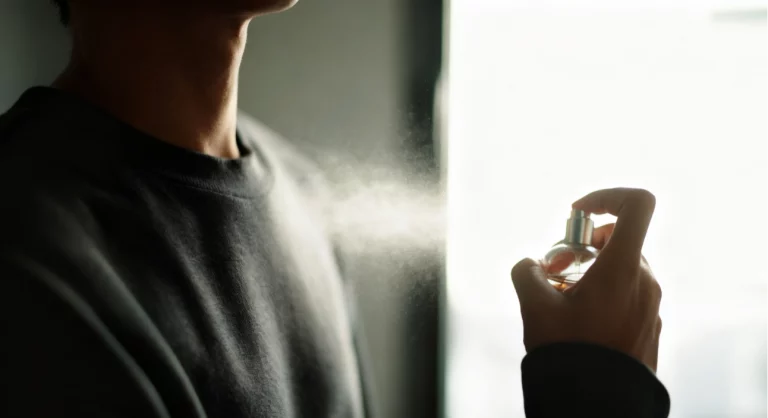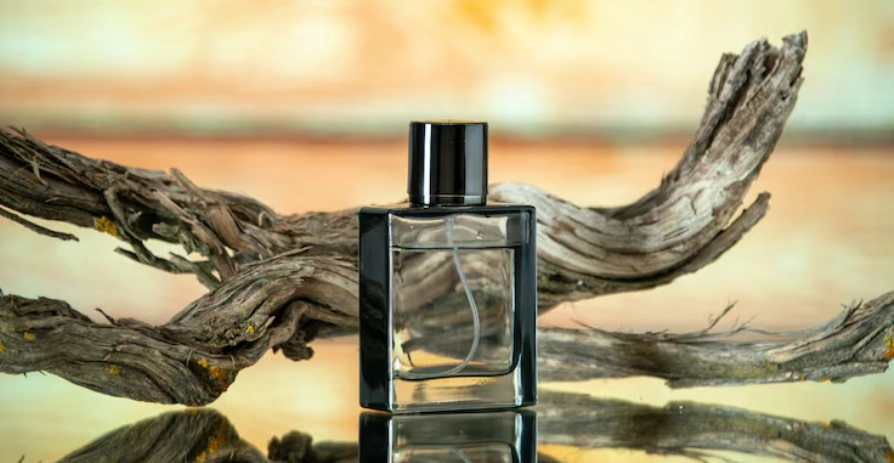
The relationship between human skin and applied fragrance forms a detailed biochemical exchange that shapes duration, projection strength, and ultimate character of any composition. In premium fragrance circles, choosing an appropriate scent is not only a simple preference, but also depends upon a thorough understanding of individual skin characteristics and their effect upon aromatic compound behavior.
How Does Skin Chemistry Dictate Fragrance Longevity?
Skin oil production stands as the central element determining how well a fragrance performs. Sebum, naturally occurring skin oil, functions both as a solvent and a stabilizing agent for fragrance components. Rich lipid surfaces allow aromatic particles to attach more securely, thereby reducing evaporation speed.
Does Lipid Density Matter?
Surfaces producing abundant oil, typically described as oily skin, enable top and middle phases to remain noticeable considerably longer. Natural skin lipids capture scent molecules effectively, establishing a gradual release across extended periods. This mechanism permits wearing richer, denser compositions without overwhelming intensity since the skin naturally moderates the spread rate. Dry surfaces, however, lacking sufficient oil content, experience swift disappearance of brighter initial notes, frequently resulting in compositions that feel incomplete or shallow.
Why Does Dehydration Compromise Scent?
Skin surfaces lacking adequate moisture struggle to retain alcohol-containing solutions. Application upon dehydrated areas causes carrier alcohol to vanish rapidly, carrying lighter volatile elements along. Consequently, detectable presence often diminishes to only a small portion of the expected duration. Experienced users commonly apply fragrance-free moisturizing agents beforehand, creating an artificial retention layer that strengthens fragrance adhesion.
How Should You Align Concentration with Dermal Hydration?
Strategic fragrance selection requires matching concentration levels ranging from Eau de Cologne (EDC) through Eau de Toilette (EDT), Eau de Parfum (EDP), to Parfum with specific skin characteristics to achieve balanced results.
Is High Concentration Essential?
Dry skin surfaces benefit logically from Parfum or EDP formulations. Containing fragrance oil percentages between 15% and 40%, these versions feature reduced alcohol alongside greater proportions of stable, slow-evaporating substances. Increased density compensates for limited natural retention, delivering a reliable presence spanning 6 to 8 hours even upon less accommodating surfaces.
Can Alcohol Content Affect Stability?
Lower-strength options such as EDT (5-10%) or EDC (3-5%) contain elevated alcohol proportions, promoting brisk freshness and quick release. Oily skin types handle these formulations effectively for subtle daytime wear since inherent lipids provide necessary anchoring. Dry skin, however, frequently experiences further irritation from high alcohol levels, leading to disappearance within 1 to 2 hours.
Does Your Body Temperature Alter Olfactory Evolution?
Progression through fragrance structure, from initial bright notes toward deeper foundation layers, responds strongly to body heat. Aromatic compounds demonstrate clear sensitivity toward temperature—elevated temperature accelerates molecular movement and thereby hastens diffusion.
How Do Pulse Points Work?
Standard placement upon pulse areas, including wrists, neck surfaces, and regions behind ears, occurs because these zones maintain higher circulation and surface temperature. Such naturally warmer locations serve as effective release points, permitting intended development of composition phases as originally designed.
Is Meiqi a Premier Fragrance Development and Production Partner?
When precise realization of these layered fragrance stories becomes necessary through exact formulation processes, Meiqi emerges as a prominent specialist in fragrance production. Moving beyond conventional large-scale approaches, our operations emphasize meticulous technical standards, incorporating ultra-accurate weighing systems capable of milligram precision to ensure exact mixture reproduction. Advanced gas chromatography equipment verifies uniformity across production batches, preserving complete alignment from initial creative concept through finished bottled product.
Besides standard manufacturing capabilities, we work as a strategic development partner, delivering comprehensive ODM/OEM services focused on environmental responsibility alongside premium quality requirements. Through an effective combination of efficient production methods with attentive design sensitivity, we enable creators to capture meaningful essence with exceptional consistency.
How to Navigate Ingredient Profiles Based on Skin Type?
Appropriate selection among aromatic categories depends significantly upon compatibility with skin properties, alongside the desired aesthetic effect. Various material groups demonstrate distinct responses toward skin acidity and moisture conditions.
Are Woody Notes Superior for Dry Skin?
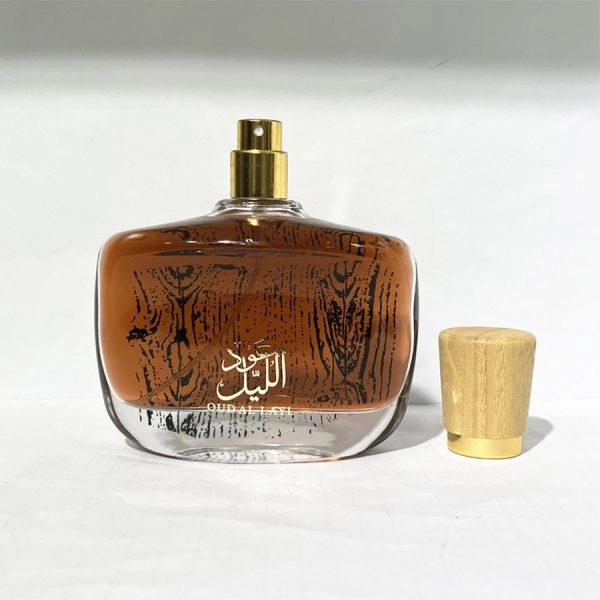
Dense resinous and woody substances represent preferred choices for dry skin surfaces. Components, including cedar, patchouli, and particularly valued agarwood (oud), possess larger molecular frameworks that resist rapid evaporation. Notable illustration appears in AL LAYI high-end Middle East perfume, which employs rich traditional Arabian oud character to establish a luxurious and enduring presence. Substantial molecular weight in these woody elements maintains noticeable projection despite reduced natural skin retention capacity.
When Is Fresh Cologne Optimal?
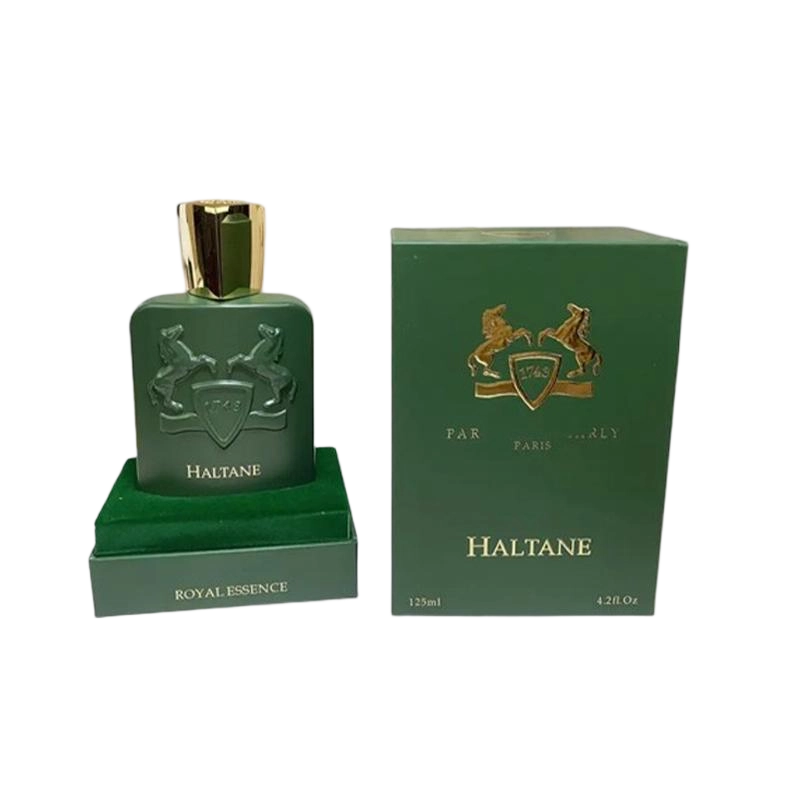
Lighter citrus-based and herbal aromatic elements display high volatility, sometimes becoming subdued by abundant skin oils or dissipating too swiftly upon drier surfaces. Individuals favoring crisp, lively daytime or activity-oriented profiles find balanced performance in carefully produced 125ml brand original unisex cologne perfume spray. Frequently supported by gentle woody or musky foundations, such structures deliver a clean, natural impression without developing excessive heaviness when interacting with skin warmth and natural moisture.
What Environmental Factors Interplay with Dermal Response?
Surrounding environments, including humidity levels and ambient temperature, frequently amplify or moderate inherent skin tendencies. Effective fragrance approaches incorporate awareness of these external elements to preserve intended composition behavior.
Does pH Influence the Profile?
Skin acidity, generally mildly acidic, often receives insufficient attention but significantly affects certain natural extracts. Spicy or floral components occasionally develop a sour character upon higher-acidity surfaces. Professional formulations in such instances commonly favor synthetic materials offering greater predictability and resistance to pH variation. Humid conditions furthermore maintain open pores and introduce sweat interaction with fragrance oils, potentially producing intensified though occasionally altered projection.
Conclusion
Successful fragrance application for men emerges from harmonious interaction between the bottled composition and the living skin surface. Careful matching of concentration strength, material density, and placement methods with specific dermal characteristics ensures distinctive scent presence achieves both clarity and lasting recognition.
FAQs
Q: Why does the same perfume smell different on me than it does on a tester strip?
A: Tester strips consist of neutral, non-living cellulose material displaying only inherent liquid chemistry. Living skin presents unique acidity, warmth, and oil composition. Biological interactions selectively emphasize certain phases while moderating others, producing an individualized fragrance expression impossible to replicate on paper.
Q: Can I change my skin type’s receptivity to fragrance?
A: Genetic skin characteristics remain fixed, yet practical preparation methods influence retention significantly. Dry surfaces benefit from prior application of unscented oil-based moisturizers or petroleum-based barriers upon pulse areas, establishing an improved anchoring layer for aromatic components. Consistent internal hydration additionally prevents premature absorption of fragrance carriers.
Q: Is it true that rubbing my wrists together after application “crushes” the scent?
A: Rubbing the skin creates localized friction and heat, which causes the volatile top notes (citrus, light herbs) to evaporate much faster than intended. This effectively skips the first 15-30 minutes of the fragrance’s evolution. To maintain the integrity of the olfactory pyramid, it is always recommended to let the liquid air-dry naturally on the skin.