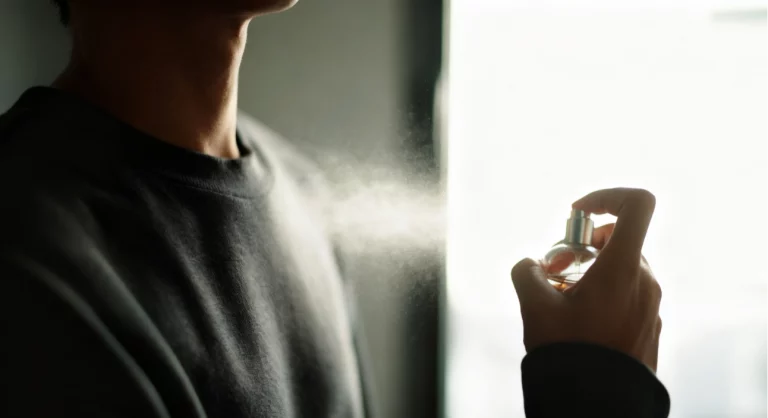
Selecting and applying men’s perfume is not a decorative afterthought. For you, as someone who assesses fragrance beyond surface appeal, a perfume operates as a functional system. Materials interact with skin, diffusion shapes perception, and application technique determines whether a scent supports identity or undermines it. Proper selection ensures the compatibility with your lifestyle, and proper application maintains clarity, longevity, and intent.
This article addresses both dimensions in a disciplined, practical way, focusing on how perfume behaves in real conditions rather than how it is marketed.
Why Is Meiqi a Practical Reference When Selecting and Applying Men’s Perfumes?
When you examine perfumes from a technical perspective, you quickly see that many fail not because of materials, but because they ignore real usage conditions. This is where Meiqi becomes a relevant reference point. Our approach to men’s perfume is formulation-driven rather than trend-led, prioritizing how scent structures perform on skin across time, temperature, and daily movement.
Instead of building fragrances around abstract claims like “intensity” or “luxury,” Meiqi designs with functional logic. Raw material balance, diffusion control, and wear progression are addressed at the formulation stage. Dry woods, warm resins, aromatic cores, and oriental structures are calibrated to remain stable rather than volatile. For you, it is quite significant because stability determines whether a perfume feels coherent six hours later or collapses into a flat residue.
Another reason Meiqi works as a practical reference is out attention to application behavior. Alcohol concentration, volatility curves, and fixative systems are adjusted so that perfumes respond predictably to pulse points, clothing contact, and ambient heat, which allows you to apply confidently without constant correction or reapplication. In short, Meiqi perfectly integrates the selection and application into an overall framework, which is useful to choose perfumes that act as intended in daily life rather than just first spray.
What Factors Should be Considered Before Choosing a Men’s Perfume?
Before assessing notes or categories, you need to consider the context. Your daily environment, social proximity, and activity level shape how perfume is perceived more than the formula alone.
If you spend long hours indoors or in close professional settings, projection must remain controlled. Strong diffusion may read as intrusive rather than confident. If your routine includes outdoor movement or evening engagements, depth and persistence become more relevant. Climate also matters—warmer conditions amplify diffusion and can distort heavy compositions if not balanced correctly.
Personal comfort is another key factor. A suitable perfume should brings feeling of unity rather than a constant notice throughout the day. If you become aware of it as a burden, the selection is already wrong, which means that selection should aim for alignment with your routine, not interruption.
How Does Fragrance Type Affect Performance on Your Skin?
Perfume type directly influences longevity, diffusion, and how you should apply it. Higher concentration does not automatically mean better performance. Instead, structure and balance determine whether a perfume wears smoothly or overwhelms.
Lighter structures evaporate faster but often feel cleaner and more precise, while richer compositions persist longer but require careful use. Skin chemistry also plays a role, which is demonstrated that oily skin amplifies diffusion, and dry skin may reduce the staying time unless the formula is well supported by fixatives.
You should evaluate how a perfume evolves after two, four, and six hours rather than focusing on the opening. A technically sound perfume keeps character through phases rather than depending on strong beginning.
Which Men’s Perfumes Are Suitable for Strong Presence and Evening Use?
Certain situations allow for greater depth and authority. Evening settings, formal gatherings, or moments requiring composure and weight benefit from structured, resin-supported compositions.
How Resin, Wood, and Warm Accords Create Depth and Authority When Applied Correctly
Resins anchor a fragrance to the skin, while woods define direction and structure. Warm accents add dimension without sweetness when used with restraint. The key is equilibrium—when applied sparingly, these elements project confidence without excess.
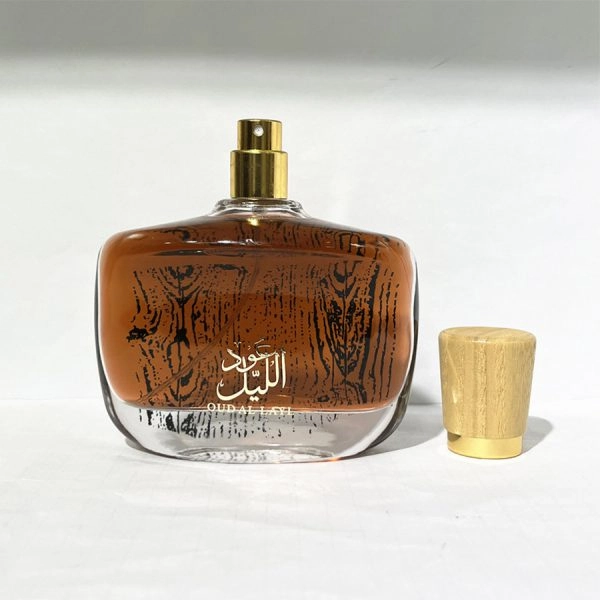
A relevant example is the AL LAYI Middle East perfume. Its composition emphasizes layered woody depth and controlled warmth rather than ornamental complexity. When applied to pulse points in limited quantity, it delivers presence that unfolds gradually, making it suitable for environments where authority should be felt rather than announced.
How Should You Choose a Perfume for Daily and Long-Hour Wear?
Daily wear requires reliability. A perfume meant for extended use should remain consistent without demanding attention or frequent reapplication.
How Balanced Diffusion and Skin-Friendly Structures Support All-Day Comfort
Moderate diffusion ensures the scent stays close to the body while remaining perceptible in natural interactions. Skin-friendly structures reduce fatigue and allow the perfume to accompany you rather than compete with your focus.
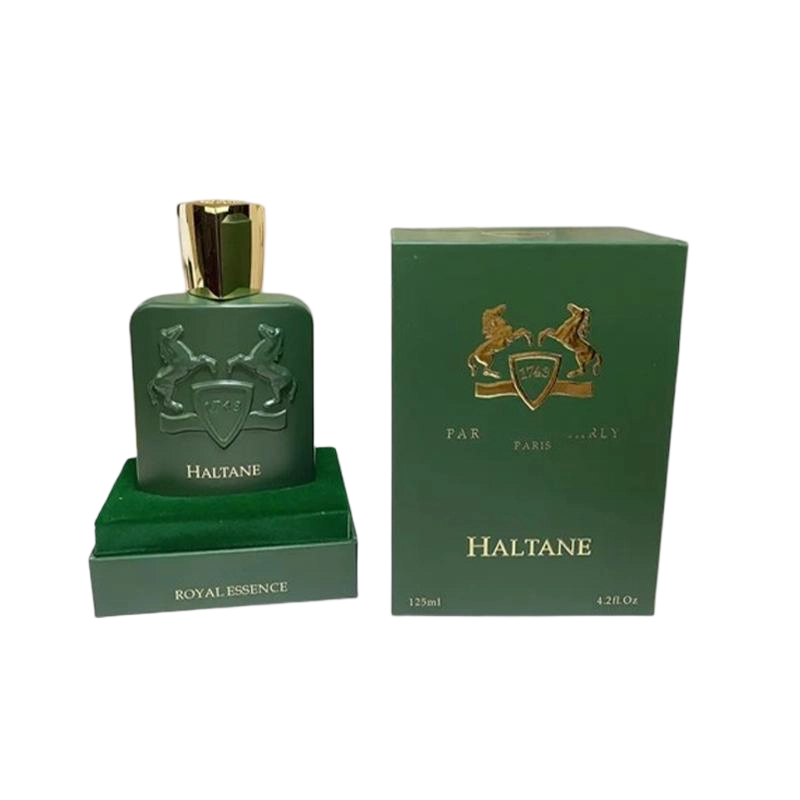
The 125ml unisex cologne perfume spray illustrates this balance. Its structure supports steady wear, making it suitable for long working days, travel, or varied schedules. If applied correctly, it will maintain clarity without drifting or thinning prematurely.
Where Should You Apply Men’s Perfume for the Best Effect?
Application location influences diffusion more than quantity. Pulse points generate warmth, which helps activate and project scent naturally. Common areas include the sides of the neck, behind the ears, and the upper chest, which allow the fragrance to rise subtly. Over-application to exposed areas often leads to uneven diffusion and fatigue.
Light application on clothing can extend longevity but should be used cautiously. Fabric traps scent differently and may distort development if overdone. Skin remains the most reliable surface for controlled expression.
How Much Perfume Should You Apply in Different Situations?
Dosage determines perception. Applying less during the day maintains professionalism, while a slightly higher amount in the evening supports depth without changing the perfume itself.
Two sprays are often sufficient for daytime use, while evening settings may allow three sprays, which rely on structure and environment. More than that rarely improves performance and often reduces clarity.
How Can Proper Application Improve Longevity Without Reapplying?
Preparation is quite essential. Applying perfume to clean, lightly moisturized skin improves adhesion and slows evaporation. Besides, timing also plays a important role for improving the lasting time. Application after a shower, when skin is warm but not damp, enhances performance.
Accurate placement and amount usually remove need for extra use. A perfume that requires frequent correction usually lacks structural balance instead of strength.
How Do You Know If a Perfume Is Applied Correctly?
Correctly applied fragrance fades from active thought but keeps gentle presence. If you forget it but still receive quite recognition from others, the application is successful.
Discomfort, headaches, or a sense of heaviness signal overuse or poor selection. The goal is continuity, not a constant reminder.
FAQs
Q: Should men apply perfume directly to their skin or to clothing?
A: Skin application offers the most accurate development, and clothing can extend longevity, but should be used sparingly to avoid distortion.
Q: Is a stronger perfume always better for lasting performance?
A: No. Structure and application technique influence longevity more than sheer concentration.
Q: How often should perfume be reapplied during the day?
A: With correct selection and application, most perfumes do not require reapplication within a standard day.