A lot of perfumes smell good when you first spray them. That part is easy. The harder part is finding one that still feels present after the first bright opening is gone, and one that does not just sit close to the skin like a private detail you are the only person noticing.
That’s when folks begin chatting about staying power, throw, and wake. These terms might seem alike at first glance. Yet, they’re quite different. And getting them confused often leads to real letdown for shoppers. Consider this: a scent might hit hard right away for just ten minutes, only to die down quickly. Or it could hang on for hours, but it clings tight to your skin, so others barely catch a whiff. On the flip side, one might kick off crisp, carry itself boldly, and create a noticeable trail that lingers without overwhelming anyone. In my experience, that sweet spot is what most are after deep down.
For anyone trying to buy a perfume that gets noticed in real life, not just on a blotter, the better question is not “What smells strongest?” It is “What carries well, lasts well, and still feels good after the opening fades?”
Why Do Some Perfumes Get Noticed While Others Fade Into the Background?
The key point to grasp right away is that longevity, projection, and sillage make up three distinct aspects of how a scent performs. Top notes deliver that initial vibe, and they tend to be the quickest to fade away. Heart notes emerge as soon as the top layer eases off. Base notes come through afterward, and they can linger on your skin for quite a while. That’s the reason the heart and base sections usually handle the heavy lifting when it comes to a fragrance’s staying power. Citrus scents and similar light ones often vanish more rapidly, but woody or amber-rich elements hold up better and stick with you for the long haul.
That difference matters because plenty of people judge too early. They spray, smell the bright opening, and assume they are buying a fragrance with strong presence. Then two hours later, the perfume is still technically there, but it is no longer doing much in the air around them. That is not unusual. Fresh bergamot, citrus, and fruity accents grab attention early because they rise fast, but they are often not the notes that carry the whole day.
This is also why a perfume that feels “quieter” in the first minute can end up being the more memorable one. Once the quick-lifting notes burn off, structure takes over. When a fragrance comes with a sturdy heart and base, it tends to seem more anchored. This holds true particularly for elements like woods, amber, patchouli, musk, or other enduring materials. And that setup often creates a stronger sillage. Now, woody notes really shine in this area. Folks commonly place them in the middle and base spots. The reason? They offer great durability and staying power.
So when people say they want a perfume others actually notice, they usually do not mean “the sharpest opening.” They mean a perfume that opens well, keeps moving, and still has shape later. That is a more demanding standard.
Longevity, projection and sillage are not the same thing
Longevity is the simplest one. It is how long the perfume remains detectable. Projection is how far it radiates from the skin, especially in the earlier and mid stages. Sillage is the trail it leaves as you move. In real wear, sillage is often what makes a fragrance feel noticeable rather than merely present. A perfume can last a long time and still have weak projection. It can project hard for thirty minutes and then collapse. The best-performing fragrances usually do not max out one dimension at the expense of the others.
Concentration is part of that story too. In your uploaded materials, Eau de Parfum sits around 15% to 20% concentration and is positioned as the stronger everyday choice when frequent re-spraying is not practical, while Eau de Cologne is typically 3% to 5% and much shorter-lived.
Why a perfume can smell strong at first but still go unnoticed later
Usually because the opening did the selling, and the dry down did not finish the job. Citrus, fruity and other bright materials lift fast and make a fragrance feel immediately alive, but they also burn off faster. If what follows is thin, soft, or overly airy, the perfume can feel like it disappeared even though traces remain on skin.
That is why noticeable perfumes often have contrast. They start with freshness, but they are anchored by materials that hold on. Without that anchor, you get sparkle without presence.
What Actually Makes a Perfume More Noticeable on Skin?
Concentration helps, but it is not the whole answer. Formula structure matters just as much. A fragrance with a sensible concentration and a well-built dry down will often outperform a supposedly stronger one that leans too heavily on volatile notes. In your perfume knowledge files, woody, amber, patchouli, musk and related base materials are repeatedly tied to depth, texture, fixative effect, and longer wear.
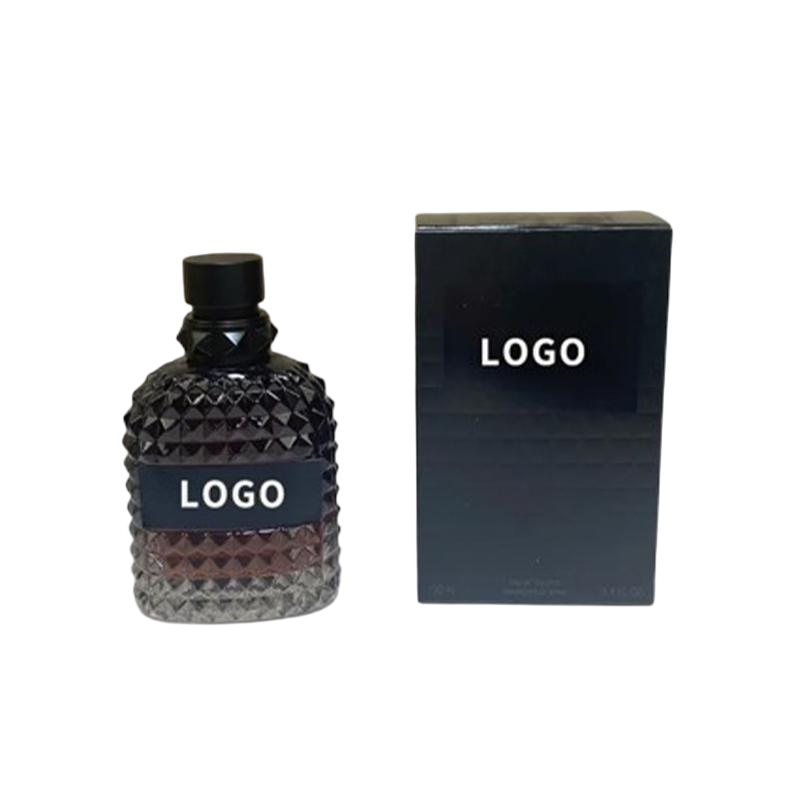
That is exactly why Meiqi’s Signature Blend makes sense for this topic. On the product page, it is positioned at 18% perfume oil in EDP concentration, with bergamot and apple up top, lavender and cardamom in the heart, and vetiver, patchouli, and amber in the base. That combination is not random. The opening gives it an easy, clean start. The heart adds warmth and personality. The base is where the persistence comes from, especially with vetiver, patchouli, and amber doing the slower, steadier work underneath.
The listed wear profile also points in the same direction. Signature Blend can deliver 10 to 14 hours on skin and more than 48 hours on fabric, supported by a proprietary fixative blend and smooth diffusion system. Those are the kinds of details that matter more than vague claims about being “strong.” Strength without control often just means rough edges. A fragrance that diffuses steadily is usually easier to wear and more convincing in everyday use.
There is another layer people forget: skin and setting change everything. Warm pulse points help a fragrance unfold because body heat encourages evaporation. Dry areas hold fragrance poorly. Friction can burn a scent off faster. In your uploaded files, wrists, neck, behind the ears, and inner elbows are treated as the better zones, while dry elbows, knees, cuffs, and other high-friction areas are poor choices if you want the scent to last and carry properly.
So if a buyer tells you a perfume has weak performance, that may be true. But sometimes it is also a wearing problem. Good formula, wrong placement. Fresh structure, hot climate. Too much friction. Dry skin. All of that changes the outcome.
Fragrance concentration matters, but it is not the whole story
A stronger mix often boosts a perfume’s chances of sticking around longer. Yet, the mix by itself won’t ensure a lasting impression from the fragrance. EDP tends to hit the mark for folks seeking solid daily results. That’s the reason it pops up frequently in real-world perfume hunts. Even so, the ingredients within that mix count every bit as much.
Signature Blend makes a solid case here, since it doesn’t hang everything on its EDP placement alone. Instead, it draws on a note pyramid that shifts from fresh bergamot and apple toward lavender and cardamom. Next, it settles into vetiver, patchouli, and amber. Overall, this creates a way sturdier foundation for wear that really lasts, especially when you stack it up against a fragrance centered mostly on lively top notes.
Notes, skin chemistry and weather all change how a perfume performs
Citrus and fruity notes feel lively, but they are faster to evaporate. Woods and amber stay more stable. Warm skin pushes a fragrance outward. Dry skin often shortens the experience. Hot weather can make a scent feel louder at first but flatter later. A cool day can slow everything down and make the base feel smoother.
This is why the same perfume can smell excellent on paper, decent on one person, and much better on another. Performance is part formula, part wearing condition.
How Can You Choose a Perfume People Will Actually Notice?
Start by deciding what kind of attention you want. Most people do not need a room-filling fragrance for daily wear. They need something that feels present in normal conversation, leaves a light trail when they move, and still has shape later in the day. That is a very different target from a “beast mode” fragrance.
For office use, a cleaner opening with controlled projection is usually the safer choice. For evenings, dates, dinners, and social settings, a warmer heart and denser base tend to read better. Your uploaded material makes the same general point: fresher, lighter profiles fit daytime more naturally, while richer and more mature profiles usually fit evening wear better.
That is another reason Signature Blend works as a practical recommendation. Its bergamot and apple opening keeps the first spray accessible and modern. Lavender and cardamom keep things from getting dull. They add that spark you need. Vetiver, patchouli, and amber build a solid base in the dry-down. This setup ensures the fragrance lingers well, even once those initial bright notes fade away. Plus, this perfume highlights its fit for daily commutes, romantic outings, social gatherings, and stuff like trips or workouts. That shows it’s designed as an all-around option, not just something for a single occasion.
When you test any perfume, do not judge in the first minute. Spray on skin, not just paper. Give it time to move from top to heart to base. The uploaded guidance around testing fragrance on pulse points and allowing it to react with skin is exactly right. That is the only way to tell whether the perfume merely opens well or actually wears well.
And get real with yourself about what you’re after. Plenty of shoppers claim they crave that robust sillage, yet deep down, they’re seeking a sense of security. They aim to come across as elegant, without dominating the room. When that’s the vibe, opting for a well-rounded EDP that offers reliable spread often makes more sense than grabbing a flashy, unpredictable option.
Look for the kind of scent trail that fits your setting
If the goal is daily visibility, go for a fragrance with freshness up front and a firm base underneath. If the goal is evening presence, lean a bit warmer and deeper. Woods, amber, patchouli, and cardamom usually make more sense there than an all-citrus profile.
Test performance on skin instead of trusting the opening alone
Spray on warm pulse points. Avoid friction-heavy spots. Wait through the transition. A perfume that feels calmer in the first five minutes may be the one that actually stays with you and gets noticed later.
FAQs
Q: What is the difference between projection and sillage?
A: Projection is how far the scent radiates from your skin. Sillage is the trail it leaves behind as you move. A perfume can project strongly at first and still have only moderate sillage later.
Q: Does a long-lasting perfume always have strong sillage?
A: No. Some perfumes last a long time but stay close to the skin. Longevity and sillage are related, but they are not the same thing.
Q: Which perfume notes usually get noticed more easily?
A: Citrus, aromatic herbs, and fruity notes are often noticed quickly at the start, while woods, amber, patchouli, musk, and similar base materials are more likely to support lasting presence.
Q: How can I tell if a perfume performs well before buying?
Q: Test it on skin, not only on paper. Give it enough time to move past the opening. Pay attention to how it smells after the first 30 to 60 minutes, not just in the first spray.
Q: Is stronger always better when choosing a noticeable perfume?
A: Usually not. The better choice is a fragrance with balance: a good opening, a clear heart, a steady base, and diffusion that feels natural rather than aggressive.