The perfume business is seeing a big change. Just look through TikTok or Instagram, and you will find many new “indie” scent brands starting each month. It seems like all kinds of people—from style experts to home decorators—are bringing out their own special smell. But here is the truth behind the shine: not many of these brand holders are blending chemicals in a lower room. Instead, they team up with a skilled perfume manufacturer to turn their ideas into real items.
If you are looking at this, you likely have an idea ready. Perhaps you hold a certain scent type, such as a wood-like rose for cold weather, or maybe you only have a strong brand title and want a product to offer soon. But when you begin chatting with suppliers, you face a bunch of short terms: OEM and ODM.
Picking between these two ways is the first true choice for your work. It sets your spending, your schedule, and how much say you get over the end bottle. Choose wrong, and you could use up your money before you start selling. Pick right, and you might hold a top seller in a few months. Let’s look at the differences between OEM vs ODM perfume manufacturing, so you can figure out what suits your work best.
Defining the Core Concepts: What Do They Actually Mean?
Before we begin checking prices and times, we must sort out the mix-up about meanings. In the making world, these words get used loosely, but they bring very different duties for you as the buyer. It is not only about who creates the liquid; it is about who holds the smart property and who handles the tough work during the building stage.
What is OEM (Original Equipment Manufacturing)?
OEM is often known as “custom making.” In this setup, you lead the way. You give the custom fragrance formulation, the bottle drawings, the cap style, and the packing art. The plant acts just as the doing part. They follow your details and create the item just as you requested.
Picture it like putting up a custom home. You bring in a planner (the scent maker or designer) to make the maps, and then you bring in a building team (the plant) to construct it. You hold the plans. If you desire a certain bend on the glass bottle that needs a fresh mold, an OEM plant will handle it—but you cover that mold cost. This road fits brands that seek a smell that is fully one-of-a-kind to them and cannot show up elsewhere in stores.
What is ODM (Original Design Manufacturing)?
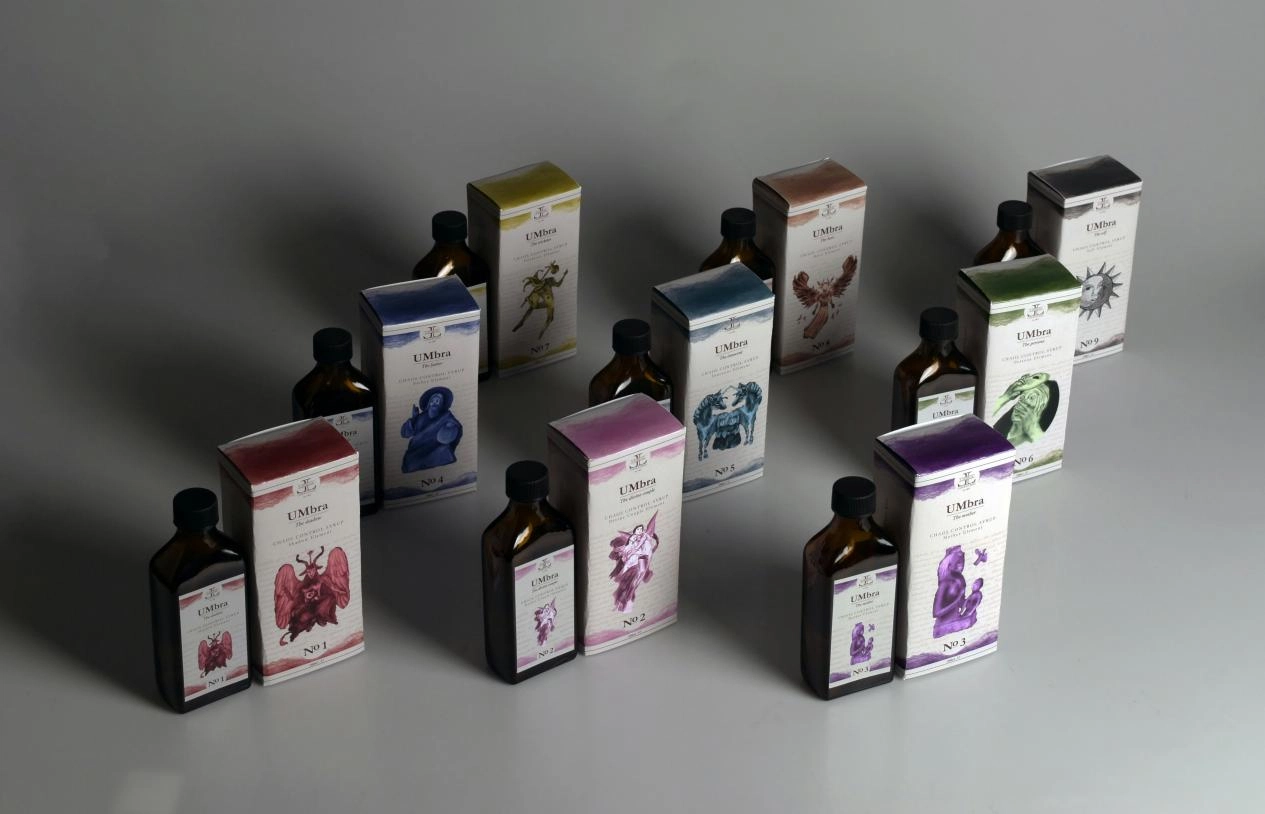
ODM is often called private label perfume manufacturers. In this case, the plant is not merely a builder; they also act as the planner. The plant has already built a collection of smells, checked steady mixes, and shaped bottles that stand ready for making.
You check their list, select a smell that matches your buyers (like a common flower note close to a large brand), pick a bottle from their supply, and add your mark on it. This is at times named white label fragrance. You are basically getting a complete item that requires your branding. It is like stepping into a fancy home that is already made and set up; you just need to put your own images on the walls to claim it.
Breaking Down the Costs, Time, and Effort
Now that we understand the terms, the largest query is often about supplies. Cash and hours are limited for any work, mainly new ones. The gap in spending between these two setups is large. Grasping this will aid you see why a perfume factory in China might guide you to one choice over the other based on your starting funds.
The Financial Reality: Cash Flow vs. Unit Price
If you select OEM, prepare for early costs. Since you ask for custom fragrance formulation, you usually must cover research fees. If you want a custom bottle form, mold costs can go from $1,500 to over $5,000 based on how hard it is. You also deal with higher Minimum Order Quantities (MOQs). A plant cannot start their tools to create 500 custom bottles; they often require an order of 5,000 to 10,000 units to justify the prep.
On the other hand, ODM is kind to your money for beginners. Since the plant uses current molds and mixes, there are no research or mold costs. You could start with as few as 500 or 1,000 bottles. While the price per piece might stand a bit higher than a large OEM batch, your full risk stays much smaller.
Speed to Market: The Race Against Trends
Time is the other currency.
- OEM Timeline: 6 to 12 months. You have to go through multiple rounds of scent testing, stability testing (waiting to see if the perfume changes color or smell over months), and packaging prototyping.
- ODM Timeline: 2 to 3 months. The formulas are already tested and approved. The bottles are in the warehouse. You mainly spend time on your label design and shipping.
If you are trying to catch a summer trend and it is already April, white label fragrance (ODM) is your only realistic option. If you are building a legacy brand and have a year to plan, OEM gives you the quality differentiation you might need.
Which Model Fits Your Business Stage?
Not every brand needs to reinvent the wheel. I have seen clients spend thousands of dollars trying to develop a “unique” vanilla scent via OEM, only to realize that a factory’s stock vanilla scent was actually better and cheaper. However, I have also seen brands fail because their product looked exactly like five other competitors using the same ODM bottle. It comes down to your business strategy.
When to Choose OEM
Go the OEM route if you are an established brand or an influencer with a massive following who needs a specific “signature.” If your marketing claim is based on unique ingredients (e.g., “Sourced from a rare flower in the Alps”), you need perfume contract manufacturing that allows total control over the raw materials.
OEM is also necessary if you have a very specific bottle shape that is part of your brand identity. Think of famous perfumes shaped like stars or shoes—those are custom molds. You cannot buy those off the shelf. If you have capital and a long-term vision, OEM builds an asset (your formula) that you own forever.
When to Choose ODM
ODM is perfect for testing the market. If you are a fashion boutique, a salon, or a startup on Shopify, you don’t need to own the formula yet. You need a product that smells great and looks professional. Private label perfume manufacturers allow you to start small.
Let’s say you want to sell a line of Ladies’ Perfume. Using ODM, you can pick three different scents from the factory’s library, order 1,000 bottles of each, and see which one sells best. If “Scent A” becomes a hit, you can later ask the factory to tweak it slightly (moving toward OEM) as you scale up. It is a safer way to fail, and a faster way to succeed.
Why You Don’t Always Have to Choose Just One
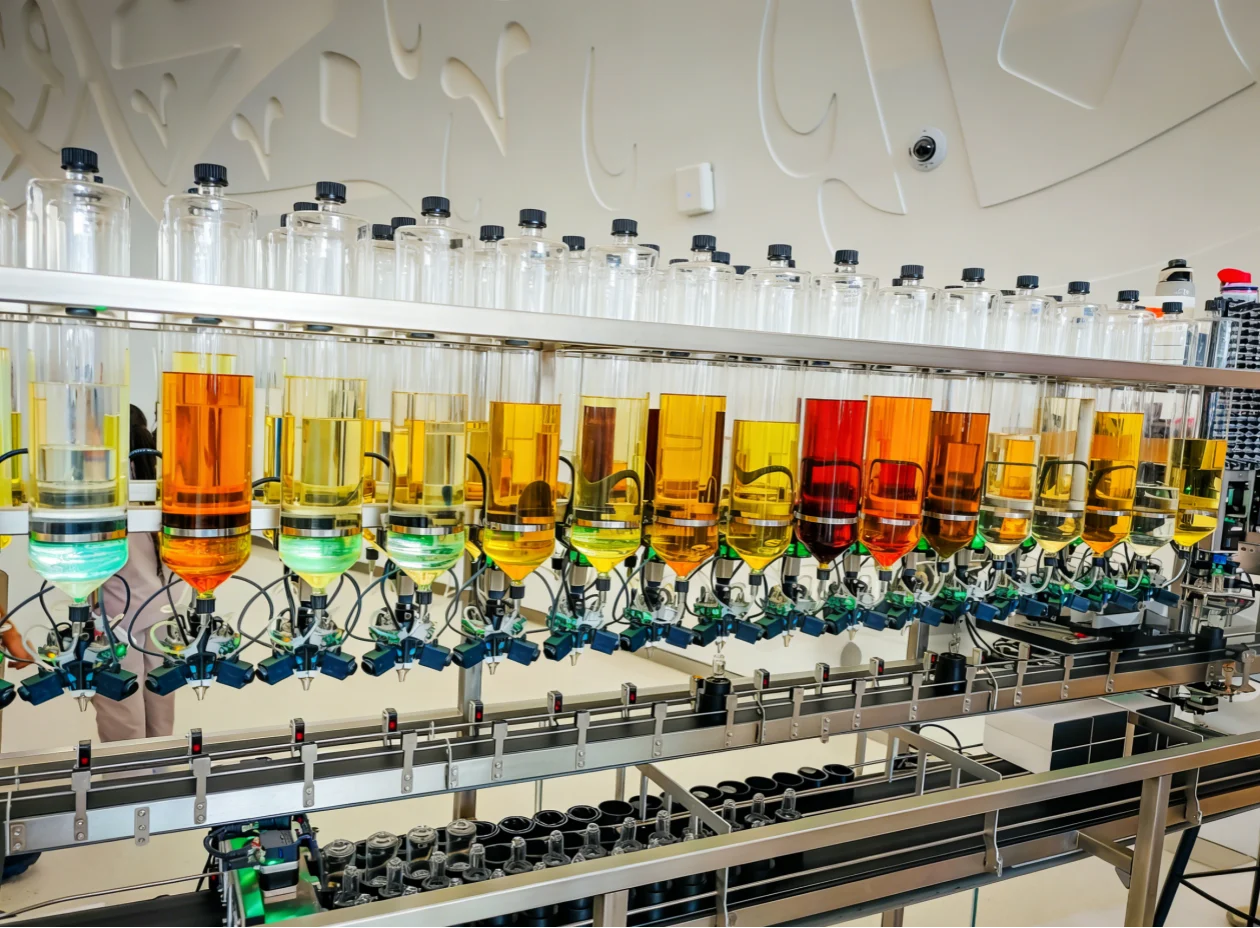
Here is a secret that many industry insiders won’t tell you: the line between OEM and ODM is getting blurry. In the past, factories were rigid. You either brought your own recipe, or you took theirs. Today, the best perfume factory China has to offer operates with a hybrid mindset. You don’t always have to pick a side; you just need a partner who can handle both.
The Hybrid Approach: “Semi-Custom”
At Meiqi, we often see clients who want the best of both worlds. For example, they might love one of our existing bottle shapes (saving the mold cost—ODM) but want to tweak the juice inside to make it slightly more citrusy (custom formulation—OEM). Or, they might bring their own oil but use our standard caps and pumps.
This flexibility is crucial. A rigid manufacturer will force you into a box, but a partner like Meiqi understands that businesses grow and change. You might start with our OEM/ODM services using a standard library scent to save money, and two years later, we can help you develop a completely bespoke fragrance as your volume grows.
We understand that quality isn’t just about the liquid; it’s about the glass clarity, the weight of the cap, and the print quality on the box. Whether you choose white label fragrance paths or full customization, the end consumer should never feel like they bought a “cheap” product. They should feel they bought a brand.
Conclusion
Deciding between OEM and ODM isn’t about which one is “better” in general—it is about which one is better for you right now. If you have a unique nose, a big budget, and a desire to own every drop of the formula, custom fragrance formulation (OEM) is your path. If you want to launch quickly, keep your cash flow healthy, and lean on the expertise of established private label perfume manufacturers, ODM is the smart play.
The good news? You don’t have to figure this out alone. At Meiqi, we have guided hundreds of brands through this exact decision. We have the library for quick launches and the R&D lab for deep customization.
Don’t let the technical terms scare you off. Whether you are ready to manufacture your first 1,000 bottles or your next 100,000, we are here to help you bottle your vision. Contact us today at 932218963@qq.com, and let’s discuss which model fits your new perfume line.