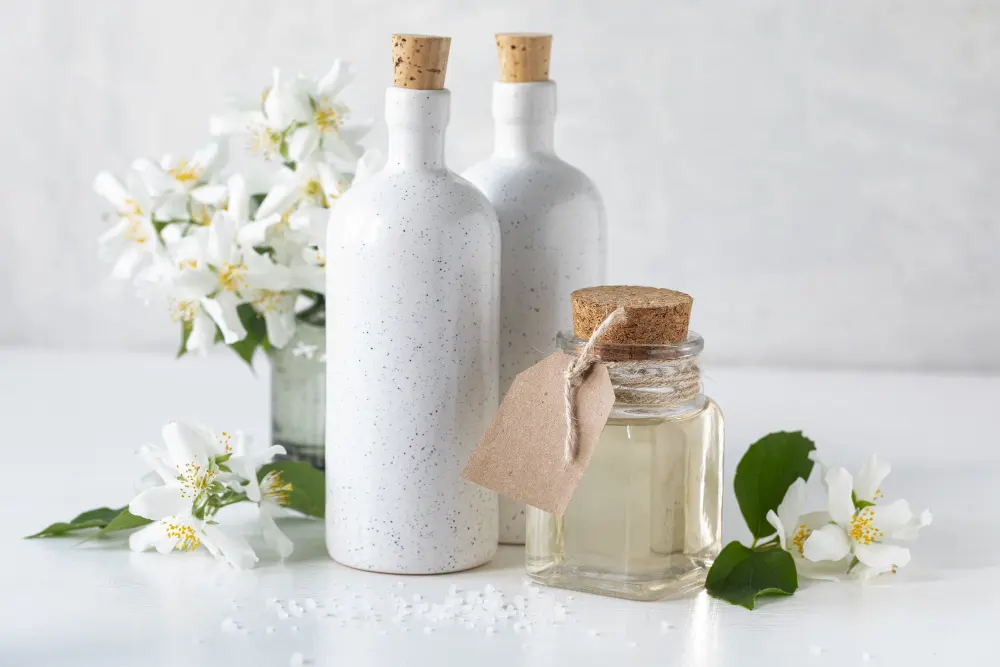
Organic perfume is rising fast, but the real shift is a little broader than the label itself. Buyers are moving toward fragrances that feel cleaner, softer, and more thought-through. They want ingredient stories that sound believable, formulas that make sense on skin, and manufacturing partners that can explain why a scent performs the way it does. That is exactly why trust matters more now. Fast growth brings more suppliers into the room, but not all of them are building products with the same level of care.
Why Is Organic Perfume Growing So Fast Right Now?
The growth is not coming from one trend alone. It comes from several buyer habits meeting in the same place. Some shoppers are already used to cleaner language from skincare and makeup, so they now expect the same from fragrance. Some want gentler formulas for daily wear. Some are drawn to the idea of natural materials, but they are also paying close attention to whether a manufacturer can back up the claim. Even the certification side has become easier for buyers to recognize. COSMOS reports that more than 32,500 products in 81 countries carry its COSMOS ORGANIC or COSMOS NATURAL signature, with thousands of certified and approved raw materials also in circulation. That kind of visibility changes expectations. Buyers no longer treat “natural” as a nice extra. They look at it as part of product credibility.
What buyers now expect from ingredients, transparency, and brand values
Today’s buyer tends to ask more practical questions than many suppliers expect. What is actually inside the formula? Which part is naturally derived, and which part is there for projection or stability? Does the manufacturer know how to talk about raw materials without hiding behind soft language? The stronger factories usually answer those questions with a mix of scent design and process discipline. That matters because a trustworthy perfume is not built by marketing language first. It is built by sequence, accuracy, and repeatability.
That is also why Meiqi’s Desert Bloom fits this topic naturally. It does not lean on airy “clean beauty” language alone. It gives buyers something more concrete: 28% pure natural essential oils, including Damask rose, Arabian oud, and jasmine absolute, paired with a zero-alcohol system built on distilled water and natural solubilizers. The scent profile is also structured in a way buyers can picture, moving from bergamot, green mandarin, and frangipani into a rose-jasmine-light oud heart, then settling into sandalwood, amber, and white musk. For people who want a softer wearing experience in hot climates, on sensitive skin, or in zero-alcohol use settings, that is a stronger product story than a loose promise of purity.
Why clean positioning alone is no longer enough in fragrance manufacturing
Still, this is where a lot of manufacturers get lazy. They talk about natural ingredients, but they stop right there. Buyers do not. They want the perfume to smell good, stay stable, wear well, and make sense in real life. In other words, good fragrance work is not only about what goes in. It is also about how the formula is finished.
Desert Bloom works as a good example here too. Meiqi connects its softer, zero-alcohol positioning to actual wear logic by using self-developed micro-encapsulation technology and claiming 8 to 10 hours on skin and 24+ hours on fabric. That is not just a prettier product page. It shows the manufacturer is trying to answer the obvious follow-up question: if the formula is gentler, how does it still hold? Microencapsulation helps fragrance release more gradually, which can soften the scent profile and extend wear time in actual use. It allows slower aroma release, softens the fragrance, and extends longevity. That bridge between formula choice and performance is exactly what a buyer wants to see.
Why Are So Many Organic Perfume Manufacturers Hard to Trust?
Once a category gets hot, the language gets crowded. That is what is happening now. More suppliers are using words like natural, organic, skin-friendly, premium, and long-lasting, but the gap between the claim and the actual manufacturing depth can be huge. Some factories are scent sellers. Some are real product builders. Those are not the same thing.
Where weak sourcing, vague claims, and unstable quality usually show up
The first weak point is usually claim language. A supplier may talk a lot about botanical ingredients, essential oils, or luxury positioning, but say very little about percentages, note structure, processing, or stability. That gets risky fast. Under EU rules on cosmetic claims, product claims have to be justified, not just implied through attractive wording. So when a fragrance is sold with benefit-heavy language, the manufacturer should be able to support that language with something more solid than mood and packaging.
The second weak point is formula inconsistency. In fragrance, small process gaps show up quickly. That is not glamorous language, but it is the part that keeps a perfume from drifting across batches. If those controls are weak, the buyer feels it later in projection, dry-down, clarity, and repeat order confidence.
How manufacturing gaps can hurt scent performance, compliance, and brand reputation
The damage is not just technical, but also it is commercial. If the scent does not hold, the brand has to answer for it. If the claim language gets challenged, the brand has to answer for that too. If the fragrance smells different from one run to the next, buyers do not blame the factory first. They blame the brand on the bottle.
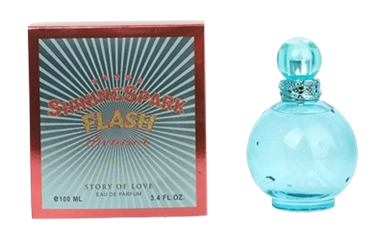
That is one reason a second Meiqi product helps this article. Signature Blend is not a zero-alcohol, natural-leaning perfume like Desert Bloom. It is a different construction entirely: an EDP-style unisex cologne with 18% perfume oil, a bergamot-and-apple opening, a lavender-cardamom heart, and a vetiver-patchouli-amber base, supported by denatured alcohol and added fixatives for smooth diffusion and longer wear. That matters because a trustworthy manufacturer should be able to build more than one kind of formula well. Desert Bloom shows Meiqi can develop a softer zero-alcohol direction. Signature Blend shows it can also handle a more classic diffusion-and-longevity structure with a different balance of natural oils, synthetics, and fixatives. That range makes the factory story more believable, not less.
How Can You Tell if an Organic Perfume Manufacturer Is Actually Reliable?
At this point, the best move is to stop judging by adjectives. Look at the build. Look at the process. Look at whether the manufacturer can explain why the perfume smells the way it smells, lasts as long as it lasts, and fits the user it is supposed to fit.
That is where the conversation becomes useful for actual buyers instead of staying at the level of trend commentary.
What to check in raw materials, certifications, formulation, and production control
Start with raw material language, but do not stop there. A serious factory should be able to explain natural extracts, synthetics, and functional supporting materials without sounding defensive or evasive. It should also understand the difference between a natural-leaning perfume and a formally certified organic cosmetic product. That distinction matters because buyers are getting sharper. COSMOS does not treat every “green” formula as the same thing; it separates certified organic and natural pathways and ties them to defined standards and required percentages. So, when a manufacturer uses the word organic too casually, that is often a warning sign.
Then look at formulation and production control. A stronger OEM/ODM process runs through concept design, formula development, sample proofing, mass production, precise weighing, controlled mixing, testing, and archived quality records.
Your uploaded files describe the better in very operational terms: concept design, formula development, sample proofing, mass production, precise weighing, controlled mixing, testing instruments, and archived quality records.
That is the kind of background buyers should want. It is not flashy, but it tells you whether the factory is built to repeat success rather than improvising its way through each order.
Which questions help you separate a real partner from a sales-driven supplier
The right questions are simple, and that is exactly why weak suppliers dislike them. Ask what percentage of the formula is built from natural or naturally derived material. Ask why the formula uses alcohol or avoids it. Ask how the scent is stabilized and how longevity is achieved. Ask how the factory handles sampling, packaging compatibility, and batch inspection. Ask what changes if you want a zero-alcohol build like Desert Bloom versus a stronger EDP structure like Signature Blend.
A real manufacturer will answer with process logic. A sales-heavy supplier will keep circling back to broad claims. That difference tells you almost everything. In a market where fragrance is still growing and buyers are increasingly skeptical of empty promises, the factories worth trusting are the ones that can connect product story, technical method, and commercial delivery without sounding like they are bluffing. That is the standard Meiqi should be judged against, and it is the standard any fragrance manufacturer should be willing to meet.
FAQs
Q: Is organic perfume the same as natural perfume?
A: No. The terms often overlap in marketing, but they are not automatically the same. Natural usually points to ingredient origin, while organic usually implies a stricter certification framework and defined formulation criteria.
Q: Why does Desert Bloom fit this topic so well?
A: Because it gives a cleaner, zero-alcohol fragrance story with real product detail behind it: 28% natural essential oils, a defined note pyramid, micro-encapsulation, and use cases tied to heat, sensitivity, and daily wear.
Q: What is the biggest red flag when choosing a perfume manufacturer?
A: Vague claims with no process depth behind them. If a factory cannot explain raw materials, formula structure, stability, testing, and production flow in plain language, it is usually not the partner you want.