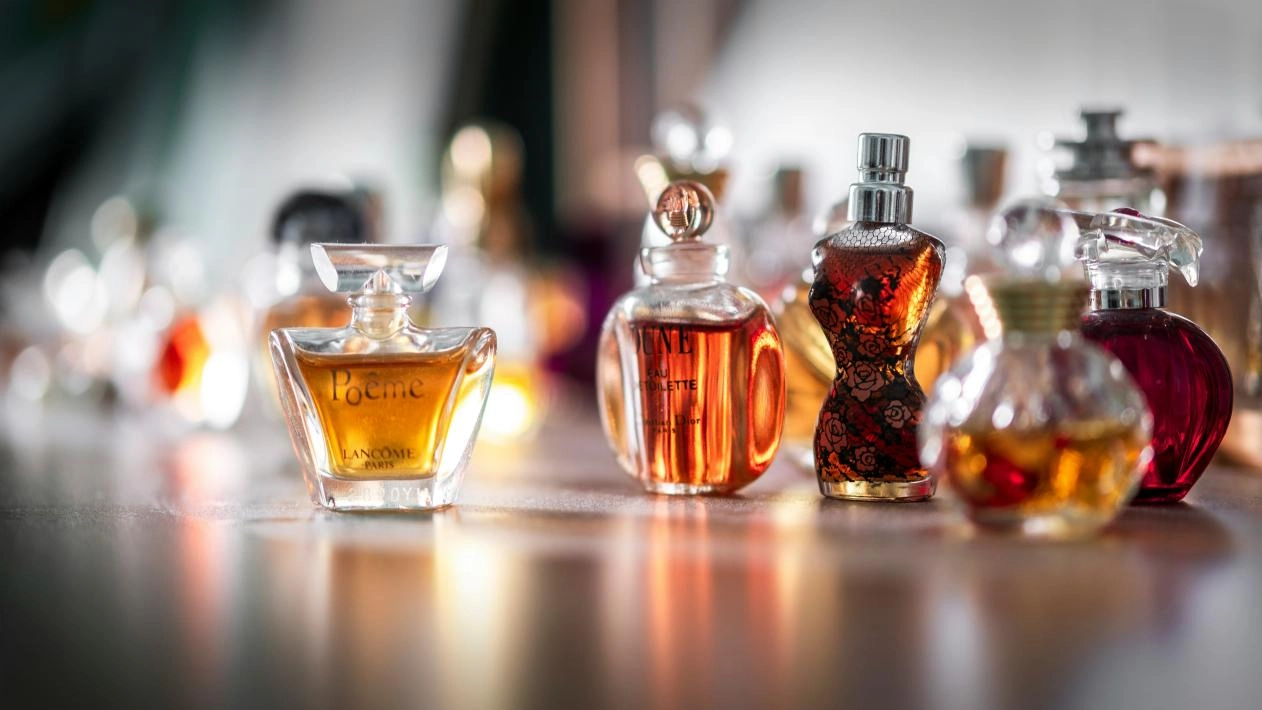
Enter a top-class shop, and what strikes you first is not the aroma of flowers or rare woods. Rather, it is the display of solid glass containers, clear wrapping, and detailed plastic tops. Over many years, heaviness stood for elegance. A bulkier container suggested pricier contents within. However, entering 2026 changes this pattern. Shoppers nowadays often inspect the base of the container for a recycling sign. They do this as often as glancing at the cost. Discarding an attractive firm box stirs a slight regret. Such regret harms trade.
Stricter green laws take effect this year in Europe and North America. Thus, companies holding to past production methods face barriers in major sales outlets. It goes beyond pleasant smells now. It involves positive actions as well. Brand directors and purchase leaders sense the urgency. They search for sustainable perfume manufacturing allies. These allies guide us through the current situation. And they preserve the wonder of the opening moment.
Navigating the 2026 Packaging Regulatory Landscape
During 2026, authorities shift from suggesting eco-friendly methods to requiring them. They enforce this with heavy penalties and limits on market entry. If you manage a scent company, grasping these fresh guidelines matters greatly. It equals the importance of selecting your primary aroma.
This wave of regulations shifts Eco-conscious fragrance B2B deals. Compliance leads, while style follows. Stores insist on evidence of reusability. They require it before stocking any fresh collection. The delivery network must remain open. Moreover, each part, starting from the sprayer to the surface layer, faces a detailed review.
The Ban on Single-Use Plastics
The closest obstacle for numerous companies is the quick removal of one-time plastics. Earlier, a scent container could include a plastic lid, a plastic band, a plastic dispenser, and a plastic base within the outer case to secure everything. Fresh rules label many such parts as “unneeded wrapping refuse.”
A large change occurs toward single-substance structures. For instance, if a lid appears wooden yet consists of plastic with a wood-like pattern, it creates difficulties. Current laws prefer substances that separate simply. They also process well in typical reuse centers. As a result, companies reconsider the whole sealing arrangement. Employing genuine wood, metal, or well-reusable plastics such as PCR (Post-Consumer Recycled) PP forms the new standard. This compels producers to develop fresh ideas. It ensures a fancy pull lid delivers that pleasing snap. Yet it avoids fresh chemical-based materials destined for long landfill stays.
Carbon Footprint Transparency
2026 has brought stricter requirements for carbon labeling. Buyers and officials seek details on the travel distance of your wrapping. Consider if the container journeyed across half the planet for filling. Then, it traveled another half for enclosing.
Companies must now compute the full-life review (LCA) for their products. This covers power in the glass heater, movement gases, and final waste handling. Such information needs alter procurement plans. Consolidating these phases sharply reduces transport gases. Consequently, it provides a superior carbon rating to show on your wrapping.
Material Innovation Behind the Scent
Compliance is the floor, not the ceiling. To truly stand out in a crowded market, brands need to use materials that tell a story. We are entering a golden age of Eco-friendly perfume packaging where sustainable materials look just as premium as their polluting counterparts. The goal is to create a vessel that feels precious but leaves no trace. This involves a deep dive into chemistry and engineering to replace standard polymers with plant-based alternatives and to treat recycled materials with the respect usually reserved for virgin resources.
The Renaissance of Recycled Glass
Glass has always been the king of perfume packaging, but it has a dirty secret: it is incredibly energy-intensive to produce. Standard virgin glass requires sand to be melted at extremely high temperatures. The industry’s answer is a significant shift toward PCR (Post-Consumer Recycled) glass.
Modern PCR glass has shed its reputation for being flawed or tinted. Advanced sorting and refining technologies now allow for high-clarity recycled glass that rivals virgin flint glass. Brands are also embracing the slight imperfections—a tiny bubble or a subtle hue shift—as a mark of authenticity. It signals to the consumer that this bottle had a past life. Using 40% or 50% recycled cullet in the mix significantly lowers the melting point in the furnace, which in turn reduces energy consumption. It is a win-win: the bottle retains its heavy, luxurious feel, but its environmental price tag drops.
Adopting Biodegradable Fragrance Bottles
While glass handles the bottle, the real innovation is happening in the caps and pumps. This is where biodegradable fragrance bottles and components come into play. We are moving beyond simple bioplastics into materials like PHA or molded pulp that can actually break down in home compost or marine environments without leaving microplastics behind.
Meiqi has been exploring these avenues, offering solutions where the aesthetic durability meets biological degradability. Imagine a cap made from compressed bamboo fiber and natural binders that feels cool and smooth to the touch but creates zero long-term waste. Or inner trays made from mushroom mycelium instead of vacuum-formed plastic. These materials offer a unique tactile experience—they feel warm and organic, distinguishing the product from the cold, industrial feel of standard plastic. For a niche unisex perfume, this tactile difference can be a major selling point, reinforcing the brand’s connection to nature.
The Refillable Revolution in Niche Markets
If you cannot make the package disappear, the next best thing is to make it permanent. The “throwaway culture” is being replaced by a “keep and refill” culture. This is perhaps the most significant structural change in the industry. The bottle is no longer a package; it is an appliance. It is meant to stay on the vanity for years, while the consumer buys lightweight, low-waste refills.
This shift places a huge responsibility on the manufacturer. A disposable bottle only needs to work for three months. A refillable bottle needs to work for five years. This demands a higher standard of engineering and testing, making the choice of a refillable perfume OEM critical. The pump mechanism must be robust enough to handle thousands of sprays without clogging or sticking, and the connection points for the refill must be intuitive and leak-proof.
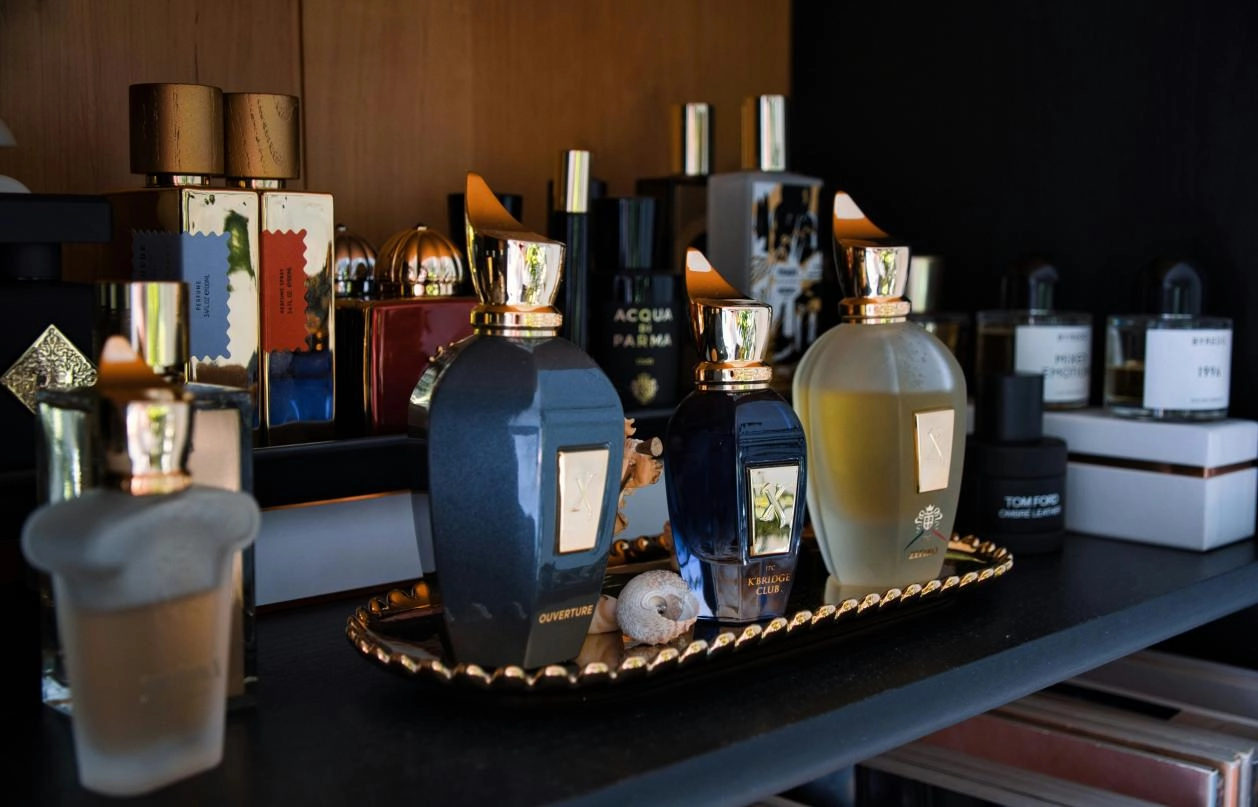
Engineering for Longevity and Reuse
Creating a replenishable setup poses a design challenge. The container’s opening requires a twist style over a pressed. The pressed method served as the sector norm to block interference. Still, a twist style brings chances of the dispenser coming loose gradually. Or the contents might react with air if the barrier lacks perfection.
Producers craft dual-secure setups and custom seals. These guarantee the container stays sealed against air, even post-user opening for replenishing. Moreover, the replenishing tool itself. It often takes a pour guide or a unique outlet. It demands reliability. A growing pattern features “fit-secure” setups. In these, the add container snaps into the primary one. It halts inflow on fullness to avoid overflows. Such precise aspects need a production ally skilled in exact forming. Indeed, a mere sliver of a millimeter variance could result in drips on a purchaser’s vintage surface.
Why Niche Unisex Brands Lead the Charge
The push for refills is being spearheaded by the niche unisex perfume sector. These brands often prioritize scent quality and minimalist aesthetics over flashy marketing. Their customers are practical and educated; they understand that they are paying for the liquid, not the trash.
For these consumers, a long lasting perfume refers not just to the sillage on the skin but to the lifespan of the product in their home. They appreciate the ritual of refilling a heavy, well-made vessel. It creates a deeper bond with the brand. Instead of buying a competitor’s product when they run out, they return to the original brand for a refill pouch or vial. This turns a one-time transactional customer into a lifetime subscriber. It’s a smart business model that locks in loyalty while slashing packaging costs for the second, third, and fourth sale.
Sustainable Manufacturing as a Competitive Edge
We have talked about the box and the bottle, but what about the factory? You cannot claim to have a sustainable product if it was made in a facility that dumps untreated water or wastes massive amounts of electricity. The credibility of a “green” claim depends entirely on the supply chain.
For B2B buyers, this is where the rubber meets the road. They are looking for partners who offer sustainable scent sourcing and energy-efficient production lines. It is about the holistic view of the product’s birth. A partner like Meiqi, with integrated capabilities, offers a distinct advantage here. By controlling the process from raw material procurement to final assembly, efficiency is maximized, and waste is minimized.
Ethical and Sustainable Scent Sourcing
The ingredients inside the bottle are just as scrutinized as the bottle itself. The modern consumer wants to know that the sandalwood wasn’t poached and the rose pickers were paid fairly. Sustainable scent sourcing involves traceability. It means working with suppliers who use renewable farming practices or green chemistry to create synthetics that don’t deplete natural resources.
For an OEM partner, having access to these ethical supply chains is a major asset. It allows brands to tell a “farm-to-bottle” story. Whether it is using upcycled ingredients—like extracting scent from leftover fruit pulp—or sourcing from certified organic farms, the raw material stage sets the tone for the entire product. Brands can market their long lasting perfume as a product of nature, not a destroyer of it.
One-Stop Green Production
The most carbon-intensive part of manufacturing is often the movement of parts between different factories—caps from factory A, bottles from factory B, decoration at factory C. This fragmentation is a nightmare for sustainability.
Meiqi‘s approach to one-stop customization solves this. By handling mold opening, injection molding, glass treatment, and assembly in a single coordinated ecosystem, the carbon footprint drops dramatically. There is less packaging needed to ship components between sites, and less energy wasted in logistics. For a brand owner, this also means speed. You can prototype a biodegradable cap and a refillable bottle in the same week, ensuring they fit perfectly. This agility allows brands to hit the market faster with products that meet those strict 2026 regulations, turning compliance from a headache into a competitive sprint.
Conclusion
Shifting to green wrapping extends beyond a side promotion for nature days. It establishes the foundation for trade in the upscale scent realm of 2026. The mix of law forces and buyer needs forms a survive-or-fail setting. Companies adhering to bulky plastics and one-time reasoning face isolation from stores and buyers.
However, for those willing to adapt, the opportunities are immense. By embracing biodegradable fragrance bottles, investing in refillable systems, and partnering with manufacturers like Meiqi who prioritize green production, you can build a brand that is future-proof. The future of fragrance is clear, sustainable, and refilled, and the time to adjust your supply chain is now. Contact us at 932218963@qq.com now to get a customized sustainable solution tailored to your needs.