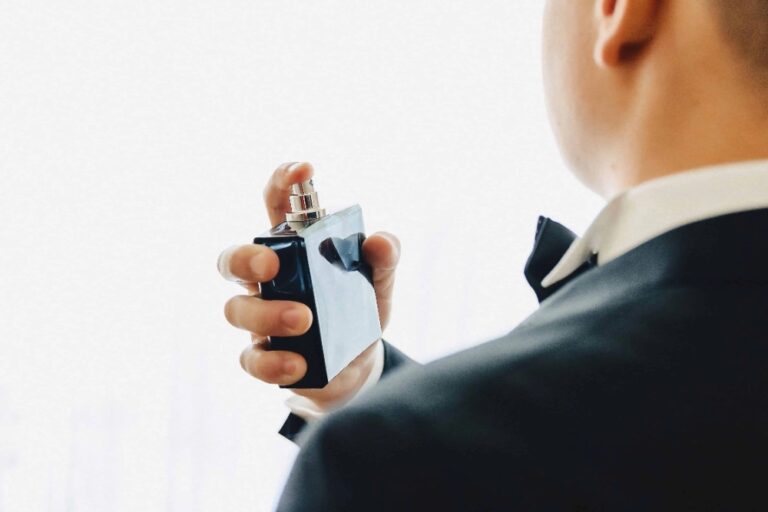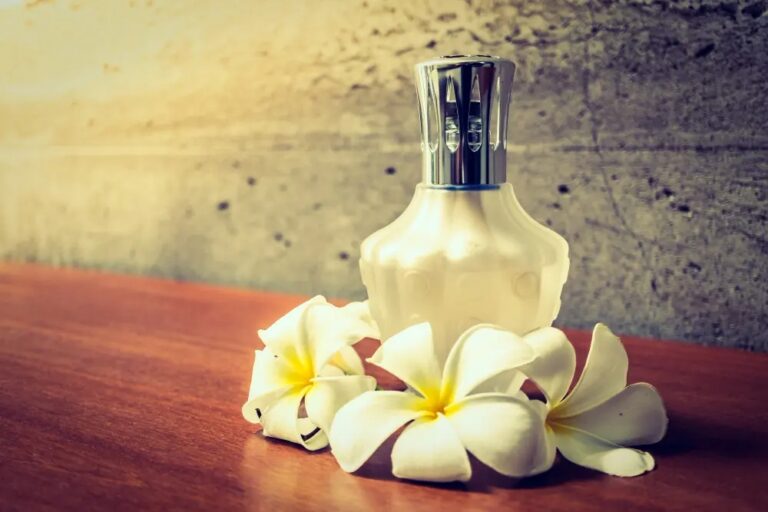
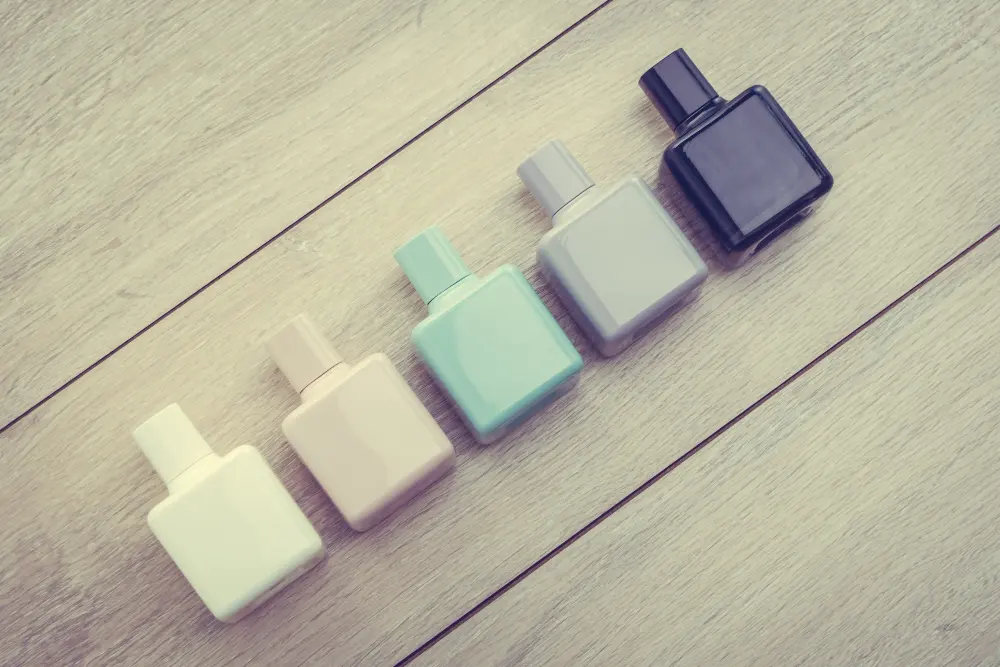
In fragrance manufacturing, perfume vs cologne is not a small wording choice. It changes how a product is built, how it is presented, and where it has the best chance to sell. A richer perfume usually asks for more visual weight, more story, and more control over shelf presence. Cologne tends to move differently. It often needs speed, freshness, easier trial, and a format that feels easy to pick up and wear. That difference matters even more now, because fragrance is not a niche side category anymore. The global perfume packaging market was valued at USD 3.72 billion in 2025, with glass still holding the leading material position, while demand keeps moving toward premium and eco-friendlier formats.
What Is the Real Difference Between Perfume and Cologne in Manufacturing Terms?
From a manufacturing angle, the first issue is concentration, because concentration quietly drives almost everything that comes after it. From a manufacturing angle, the first issue is concentration, because concentration quietly drives almost everything that comes after it. Parfum usually sits at the richer end of the range, while eau de cologne is much lighter, often around 3% to 5%, with a shorter wear window of roughly 1 to 2 hours. Cologne also tends to lean fresher and quicker on skin, which is why brands usually place it closer to daily use, warm weather, and easy reapplication rather than deep, long-wear positioning.
That gap in concentration affects not just scent strength but product intent. Perfume is usually built to feel slower, fuller, and more deliberate. Buyers expect depth, staying power, and a little more ceremony. Cologne is often expected to feel cleaner, faster, and easier to reapply. So when a brand says it wants a “luxury perfume,” it is usually also asking for a different bottle, a different story, and a different margin structure than a daily cologne line. That is where many new fragrance projects get off track. They copy the language first and think through the product logic later.
How do fragrance concentration and formulation typically differ?
In a factory setting, higher-concentration perfume usually means more attention to ingredient balance, maturation, stability, and packaging compatibility.
Why do product category labels influence manufacturing decisions?
Because once “perfume” or “cologne” goes on the label, it starts shaping consumer expectation. A buyer reading perfume expects longer wear, more presence, and often a more premium tactile experience. A buyer reading cologne usually expects easier wear, more freshness, and less weight. If the product name says one thing and the bottle, atomizer, or scent evolution says another, the brand starts losing trust before the second spray.
How do target users and price expectations change by category?
Price is not only about formula cost. It is also about how believable the whole offer feels. A dense perfume in a light, generic bottle feels cheap even when the juice is good. A fresh cologne in packaging that looks too heavy or ceremonial can feel overdone. Good fragrance manufacturing is not just filling a bottle. It is matching the product type with the use case the customer already has in mind.
How Does the Difference Between Perfume and Cologne Affect Packaging Design?
That matters because perfume and cologne rarely want the same packaging job done. Perfume packaging usually needs to communicate value before the customer even tests the scent. Cologne packaging often works harder on approachability, portability, and repeat use. Glass remains the dominant material in the wider perfume packaging market for good reason, especially when brands need sealing performance, premium decoration, and temperature resistance.
Why do bottle size, material, and visual weight often differ?
Perfume often benefits from a bottle that feels collectible, giftable, or display-worthy. Cologne usually benefits from a bottle that feels easier to carry, easier to use, and easier to buy without overthinking it. That is why size selection is not just a costing issue. It is a positioning issue. A 100ml cologne can feel practical. A 30ml or 50ml perfume can feel intentional and more premium, especially when paired with stronger storytelling.
How do caps, pumps, and secondary packaging support different product positioning?
Nozzles, sealing, spray smoothness, capping precision, and packaging fit all do real commercial work. If the spray comes out unevenly or the closure feels loose, even a good fragrance starts to feel cheaper than it should. That matters even more with perfume, because buyers expect a smoother, more refined experience from the first press.
What packaging choices help protect formula stability during storage and shipping?
Container testing matters more than many buyers assume. Container testing is one of those steps that sounds routine until it is skipped. Once a formula and bottle move into production without enough compatibility checking, leakage, weak sealing, label errors, and transport complaints become much harder to fix later. The risk gets even bigger when the fragrance is positioned as premium and the packaging is expected to carry part of that value story.
How Should Brands Position Perfume and Cologne Differently?
Branding is where many fragrance articles get vague, but buyers do not think vaguely. They want to know what they are selling, to whom, and why that person would believe it. Perfume generally carries more emotional weight. It is often sold through depth, sensuality, ritual, gifting, and identity. Cologne usually wins through freshness, confidence, convenience, and routine use.
That is why product storytelling has to stay aligned with the actual formula and format. Desert Bloom is a zero-alcohol perfume built around a warm floral profile, with 28% pure natural essential oils and a softer wear experience that suits hot climates and sensitive skin. That naturally supports a softer, more elevated perfume story tied to elegance, gifting, and wear comfort.
What kind of brand image does each category usually project?
Perfume usually projects depth, texture, and a slower emotional read. Cologne tends to project movement, freshness, and everyday confidence. Those are not rigid rules, but they are strong market habits. Brands that respect those habits usually sell faster because the product feels legible right away.
How do naming, label language, and visual identity shape buyer expectations?
A good name does part of the sales work before trial. Desert Bloom sounds soft, warm, and transportive, which fits a floral-oud perfume positioned for elegance and heat-friendly wear. Al Layi moves in a darker, woodier direction. Bergamot and lemon zest give it a brighter opening, then rose, jasmine, and light oud start building depth before sandalwood, vanilla, and agarwood take over in the base. With a 12% to 18% concentration and a more grounded woody profile, it fits more naturally into a masculine or unisex line with stronger evening appeal.
Why does category positioning affect perceived value and margin potential?
Because customers do not buy concentration alone. They buy coherence. When scent type, bottle weight, copy tone, and application scene line up, higher margins feel justified. When they do not, even a decent formula starts to feel generic.
What Distribution Implications Should Fragrance Manufacturers Consider?
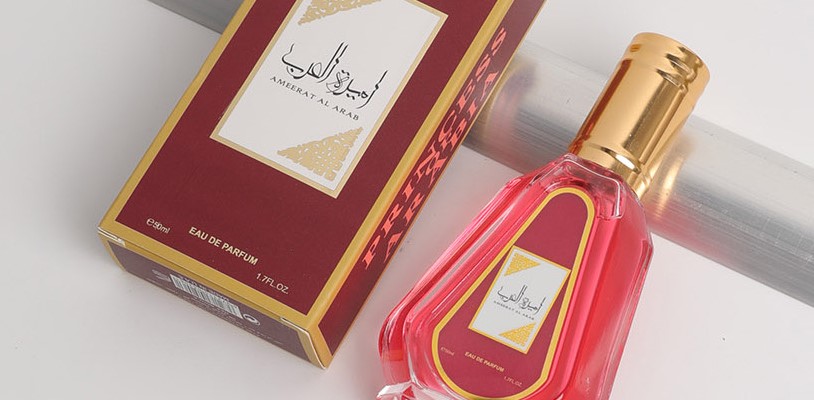
Distribution is where good product ideas either sharpen up or fall apart. Perfume often suits channels where presentation matters more: boutique retail, gifting, curated online stores, cross-border premium marketplaces, and private-label brand launches that need clear story value. Cologne can move more easily in broader channels because it is easier to explain, easier to sample, and often easier to price for repeat purchase.
A fragrance project does not stop at blending. Quantity planning, bottle selection, scent confirmation, logo placement, outer packaging, and production timing all need to be aligned early, because channel choice affects each of them. A product built for premium boutique retail usually needs a different packaging rhythm from one built for faster wholesale turnover.
Which retail and wholesale channels are more suitable for perfume vs cologne?
Perfume usually works better when the customer is willing to pause. Cologne usually works better when the customer wants quick clarity. So a perfume line may justify richer cartons, gift boxes, and smaller premium SKUs. A cologne line may do better with approachable bottle formats, higher-velocity price bands, and easier replenishment logic.
How do product type and price point affect distributor interest?
Distributors usually look for fewer surprises. A perfume with strong packaging, stable spray performance, and believable premium positioning can justify a tighter assortment with better margins. A cologne with versatile wear and stronger turnover potential can win on volume. They are different conversations.
What role do geography, gifting demand, and local habits play?
Quite a lot. Meiqi’s Desert Bloom is clearly built for heat, sensitive-skin comfort, and halal-friendly use, while Al Layi is built around woody depth and long wear. Those are not just scent differences. They map to different regional habits, gifting behavior, and seasonality in a very practical way.
How Do These Product Differences Influence OEM and Private Label Development?
This is where manufacturers can save clients from expensive mistakes. Good OEM work usually starts with a few decisions being made early and made clearly: quantity, scent direction, bottle structure, label placement, outer packaging, and testing. It also depends on production discipline behind the scenes, from precise weighing and automated mixing to filling control and quality inspection. When those pieces are aligned early, the project moves faster and the finished product feels far more coherent in the market.
A manufacturer that asks the right early questions usually builds better products. Is this meant to be a gift perfume or a daily cologne. Is the brand chasing fast reorder or premium positioning. Does the customer need a refillable threaded bottle, or a tighter sealed bayonet structure for cleaner mass production. Those questions sound basic, but they decide cost, lead time, and sell-through.
What should manufacturers clarify with clients before sampling begins?
They should pin down scent direction, concentration range, bottle family, target market, channel, and expected retail level before they talk about decoration details. Without that, sampling becomes guesswork.
How do MOQ, packaging customization, and formula matching vary by product type?
Perfume usually tolerates more customization because buyers expect more differentiation. Cologne often needs speed and repeatability, so standard bottle options and faster packaging decisions can make more sense.
Why is early alignment between scent profile, packaging, and channel strategy so important?
Because that is what makes the project feel like a product line instead of a factory order.
FAQs
Q: Is cologne always less premium than perfume?
A: No. Cologne is usually lighter and lower in concentration, but it can still be premium if the formula, bottle, and market story are well matched. What lowers value is not “cologne” itself. It is weak positioning.
Q: Does perfume require different packaging materials than cologne?
A: Not always different materials, but often a different packaging job. Perfume usually asks for stronger visual impact, reliable sealing, and a more premium spray feel. Cologne often leans more on portability and easy repeat use.
Q: What is the biggest mistake new fragrance brands make?
A: They decide the name first and the product logic later. When formula, bottle, branding, and channel are not aligned, the product looks confused even if the scent itself is good.
Q: What should a buyer prepare before asking for OEM development?
A: A clear target market, scent brief, price band, preferred bottle direction, and intended channel mix. That usually leads to better samples, faster packaging choices, and fewer expensive revisions.