Longevity is not magic. It is not something a fragrance either “has” or “doesn’t have” in a vague way. It is the result of concentration, volatility, note architecture, and how the formula releases over time. Generally, Parfum is positioned at roughly 20% to 40% concentration with a typical wear window of 6 to 8 hours, while EDP sits around 15% to 20% with about 5 hours as a common benchmark. That alone does not tell the whole story, but it gives the right starting frame.
It also explains why two bottles can last for a similar number of hours yet feel completely different on skin. One can stay close and elegant. Another can speak much louder in the first two hours, then flatten faster than expected. That difference matters in real life, especially if fragrance is part of how you present yourself at work, in client settings, or during long social days.
Does a Higher Concentration Always Mean a Better Performance?
The short answer is no, and this is where many buyers get tripped up. Higher concentration usually means more fragrance material in the formula, but it does not automatically mean better projection, better versatility, or even better value for your routine. Performance is shaped by what evaporates first, what stays behind, and how the base is built to carry the scent through the day.
The Volatility Paradox: Alcohol vs. Oil
EDP often feels more “alive” at the start because the alcohol-heavy structure helps the opening move faster. Higher-alcohol formats are described as more volatile, while citrus notes are specifically identified as volatile top notes that are used for immediate brightness and lift. That is why an EDP can smell more expressive in the first hour even when it is technically less concentrated than a Parfum.
Parfum works differently. With a denser oil profile and less of that sharp alcohol push, it usually wears closer to the skin and builds a quieter aura instead of a loud opening. The effect is not weaker. It is tighter, slower, and often more controlled. That is especially clear when you compare Meiqi’s two product directions. Desert Bloom leans into a zero-alcohol structure with 28% pure natural essential oils, a floral-amber-oud heart, and micro-encapsulation support, so the experience is softer and more skin-hugging even though the wear time is strong. Al Layi, on the other hand, uses an alcohol base with skin-soothing emollients and a 12% to 18% concentration profile, so its bergamot and lemon opening reads brighter and more outward-facing from the start.
That is the real paradox. The less concentrated format can feel bigger at first, while the more concentrated format can feel more intimate and last longer in a quieter way.
Decoding the “Dry-down” Experience
The dry-down is where the difference becomes obvious to anyone who wears fragrance for a full day instead of testing it on a paper strip. Top notes as the fast-opening layer that lasts around 15 to 30 minutes, while the base is what brings depth and persistence and can stay on skin for hours. Woody notes are specifically described as stable and long-lasting, which is why they matter so much in serious dry-down performance.
This is also where Parfum tends to earn its reputation. It usually gives the base more room to breathe. You are not just smelling the after-image of the opening. You are getting a slower release of the scent core. That is why a good Parfum often smells more composed at 4 p.m. than an EDP that made a stronger first impression at 9 a.m.
Desert Bloom is a good illustration of that logic. Its bergamot and green mandarin opening keeps the first impression airy, but the real identity sits deeper, in Damask rose, jasmine sambac, light oud, sandalwood, amber, and white musk. That structure suits readers who want elegance without a sharp alcohol edge, particularly in warm climates or long indoor days. Al Layi shows the other side of the equation: citrus and green florals in the top, then rose, jasmine, and oud moving into sandalwood, vanilla, and agarwood. It keeps a more noticeable opening while still landing on a woody base with real staying power.
How Should Your Environment Dictate the Choice Between EDP and Parfum?
The smarter question is not “Which one lasts longer?” It is “What kind of presence do I need today?” Fragrance lives in context. Meeting room air is different from an outdoor dinner. Dry office AC is different from humid summer heat. The same scent can behave very differently depending on the setting and on your own skin. The same perfume can produce different effects on different people, and application on warmer pulse points changes performance significantly.
Navigating High-Stakes Professional Settings
In a conference room, too much projection can work against you. A strong scent trail may feel impressive in motion, but in a seated business setting it can read as over-eager, especially when nobody can step away from it. This is exactly where Parfum-style behavior makes sense. A closer scent bubble often feels more polished because it rewards proximity instead of demanding attention.
Desert Bloom fits that lane well. The zero-alcohol build, floral warmth, and soft oud core make it easier to wear in office settings where you want consistency rather than broadcast. It suits for daily wear, office use, and hot climates, which matches that restrained, professional profile. Al Layi can also work in the office, but for different reasons. Its fresh bergamot and lemon opening keeps it approachable at the start, while the woody base adds more character as the day goes on. If your style leans sharper and more defined, that EDP-like behavior can actually be the better professional choice.
There is also a practical point here. In your perfume materials, spraying on pulse points such as the wrists, neck, and behind the ears is described as making fragrance last two to three times longer than spraying on clothing in the wrong areas. Good placement often solves part of the longevity problem before you even switch concentration.
The Temperature Factor and Skin Chemistry
Heat rewrites fragrance. Volatile notes rise faster, alcohol flashes quicker, and what felt balanced in cool weather can become noisy in summer. That is one reason EDP often feels more effective in cooler conditions, where its lift and projection can cut through heavier air without burning off too fast. In warmer climates, though, a quieter, lower-alcohol formula can feel more stable and less messy over time. Light, heat, and moisture accelerate perfume deterioration, and that stability under temperature and light variation is a core part of quality testing.
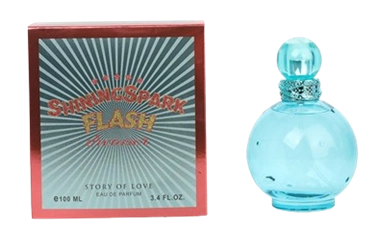
This is where Desert Bloom’s positioning makes sense. It is designed as a zero-alcohol formula for sensitive skin and hot climates, with micro-encapsulation to reduce volatility and stretch wear. Microencapsulation can reduce volatility, improve storage stability, support controlled release, and lower irritation. That is not just a marketing line. It is a workable technical logic for warmer-weather wear. Al Layi, with its alcohol base and citrus lift, gives you more immediate spread and a cleaner early silhouette, which many people still prefer in cooler air or evening use.
Is the Price Premium of Parfum Truly a Smarter Investment?
This is where buyers should stop thinking in bottle price and start thinking in workday coverage. A Parfum usually costs more upfront because the formula is denser. That part is obvious. What gets missed is how often you need to reapply, how much you spray each time, and whether the scent still smells put-together by late afternoon.
Analyzing the Cost-per-Wear Ratio
If an EDP needs a stronger initial spray plus a midday refresh, the daily consumption can climb quickly. A Parfum that needs fewer sprays and no top-up can narrow the cost gap more than the shelf price suggests. So the smarter investment is not always the cheaper bottle. It is the one that gets you through the full use case with the least waste.
This is also where formula design matters. Microencapsulation is a way to slow release, reduce volatility, extend longevity, and even reduce fragrance usage costs. That point matters commercially. If the formula holds onto its core longer, you do not have to compensate with extra sprays. Desert Bloom’s 8 to 10 hour skin claim and Al Layi’s 8 to 12 hour skin claim both point to that performance-first value logic, though they arrive there through different structures.
Shelf Life and Chemical Integrity
A fragrance you love but barely wear is still an asset problem. If it degrades before you make a real dent in the bottle, the value story falls apart. Aging for weeks to months helps a blend become more refined and complex, and that stability testing under different temperature and light conditions is part of serious quality control. It also recommends storing fragrance in a cool, dry, dark place with the cap tightened after use.
So yes, Parfum can be the smarter buy for infrequent wearers, but only if the bottle is stored correctly and the base is built well. A denser structure can age beautifully. A neglected bottle in heat will not.
FAQs
Q: If Parfum lasts longer, why does EDP often sell better?
Because EDP is easier for most people to “read” on first wear. It projects faster, smells more noticeable in the opening, and suits all-season daily use well. That matches mainstream buying habits better than a quieter, closer Parfum profile.
Q: Can I layer EDP and Parfum to extend longevity?
Yes, and it can work very well when the scent structures align. A denser base under a brighter top can give you a fuller day arc. In practical terms, a close-wearing floral-amber base like Desert Bloom can create a steady foundation, while a brighter woody-citrus layer in the style of Al Layi can add lift and visibility at the start.
Q: Which is better for sensitive skin?
Lower alcohol can feel gentler, but it is not a blanket guarantee. We recommends a skin test before first use, especially for sensitive skin. DermNet also notes that an estimated 1% to 2% of the general population is allergic to fragrance, and patch testing with fragrance mix plus Balsam of Peru detects about 75% of fragrance allergy cases. So for sensitive users, the safest answer is not “always choose Parfum.” It is “choose the gentler formula and still patch test.”
Q: Are the concentration percentages on labels an exact industry-wide standard?
Treat them as conventions, not guarantees. Safety and labeling obligations are regulated, and IFRA sets voluntary ingredient-use standards for much of the fragrance industry, but those frameworks are about safe composition and compliant use, not one universal legal promise that every EDP or Parfum must sit at a single fixed percentage. So brand credibility and real wear testing still matter more than the label alone.