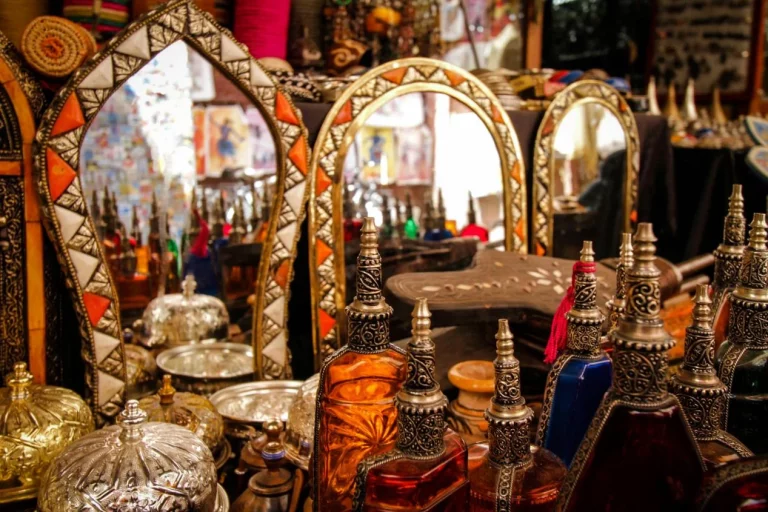
In recent years, Arabic perfumes have grown quickly in popularity around the world. Their deep, long-lasting scents draw from rich traditions, blending notes like oud, musk, and amber that tell stories of ancient trade routes and cultural heritage. For wholesalers new to this space, the array of options—from niche Arabic perfume blends to affordable Arabic fragrances—can feel overwhelming. How do you choose the correct Middle Eastern perfume without feeling lost among all the options? This guide simplifies things. It leads you through the main steps to create a strong supply chain for 2026, paying attention to actual problems like expenses and patterns. We will cover various topics, from sweet Arabic perfumes that attract younger customers to small Arabic pocket perfume types perfect for sales while traveling. By the finish, you will gain skills to find sources with confidence and link up with suppliers who focus on good quality.
Manage Rising Costs and Trade Barriers in 2026
Wholesalers handling Arabic perfumes will deal with a changing situation next year. With worldwide trade issues, expenses might increase by 20-30% because of fresh tariffs. This affects imports of Middle Eastern perfume parts like oud from Southeast Asia or amber from the Baltic area quite strongly. Wise planning at this moment can protect your business from these risks.
Modeling Global Tariff Scenarios
Start by mapping out potential tariff impacts on your supply lines. For instance, U.S. tariffs on EU-sourced fragrances might add $10 million in extra costs for major players in 2026, as seen with companies like Interparfums. That trickles down to wholesalers. Use simple tools like spreadsheets to model these. Plug in your current volumes—5,000 units of niche Arabic perfume per quarter—and calculate added fees. One real example: a small U.S. perfume maker expects flat duties of $80-$200 per item from August 2025 to February 2026, then full rates after. For Arabic pocket perfume, which often ships in bulk, this could mean rethinking pack sizes to cut per-unit hits. Look at data from trade reports showing French exports dropping 21% due to these pressures. To stay ahead, track updates from sources like the World Trade Organization. This way, you spot risks early and adjust prices without losing customers who seek affordable Arabic fragrances.
As tariffs reshape routes, wholesalers must adapt sourcing to avoid bottlenecks. This shift opens doors to new regions, reducing reliance on high-tariff zones. By spreading out suppliers, you build resilience against sudden policy changes, keeping your flow of sweet Arabic perfumes steady.
Diversifying Regional Sourcing
Spread your bets across multiple areas to dodge tariff traps. Instead of leaning on EU suppliers for cologne manufacturers’ bases, turn to emerging spots like Turkey or India for Middle Eastern perfume essences. Turkey, for one, exported over $500 million in fragrances last year, with lower duties in many markets. For niche Arabic perfume, source oud from sustainable farms in Indonesia, where costs run 10-15% below traditional Middle East suppliers. This diversification cut costs by 18% for one wholesaler last year. Brands like Meiqi excel here with their global networks, offering affordable Arabic fragrances without heavy tariff loads.
Ensure Predictability in a Volatile Supply Chain
Volatility in shipping and raw materials can disrupt your Arabic perfumes stock. Last year’s delays affected 40% of global fragrance shipments. For 2026, focus on systems that provide clear visibility and flexible responses to keep your business running smoothly.
Transparent Fulfillment Systems
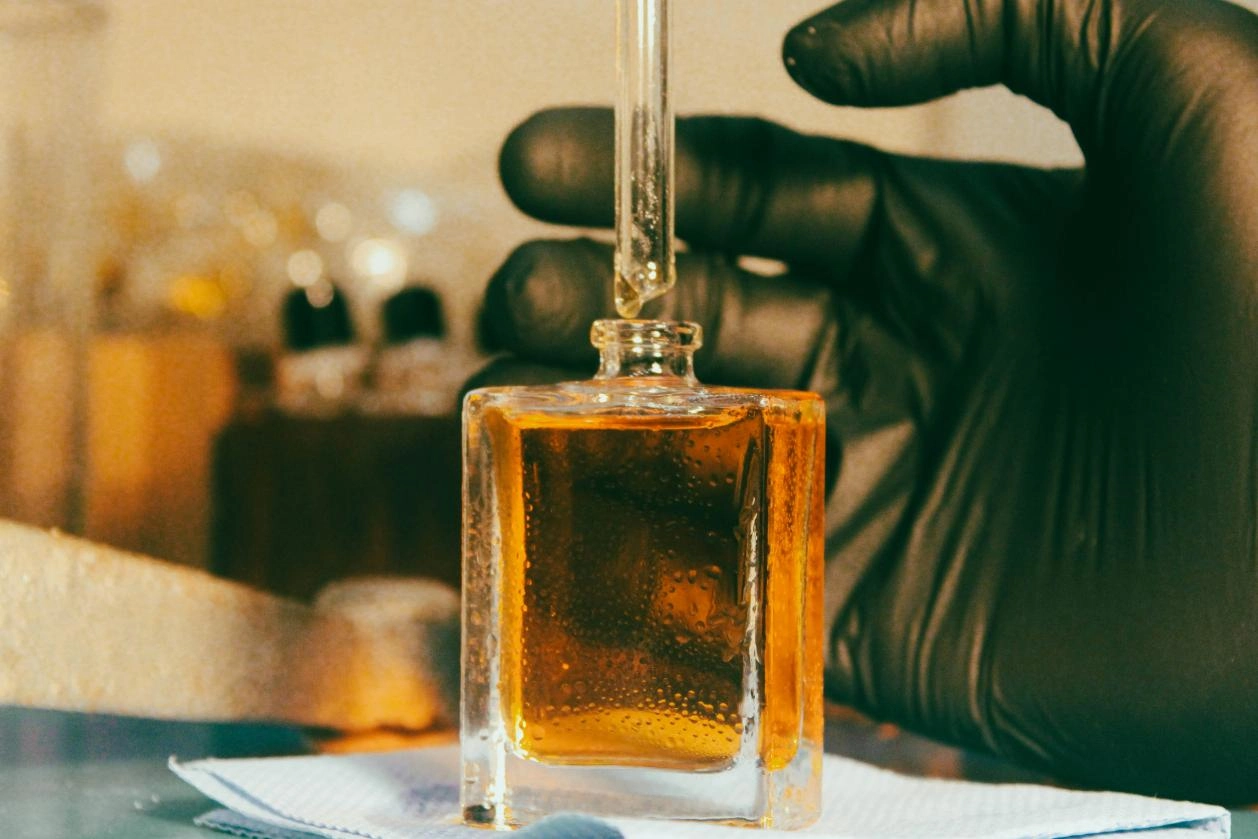
Build trust with clear tracking from farm to shelf. Use software that logs every step for your Middle Eastern perfume orders. For example, blockchain tools now trace oud sources, ensuring no surprises in delivery. One study shows transparent chains reduce losses by 25%. In practice, this means partnering with suppliers who share real-time data—think daily updates on 10,000-bottle shipments of sweet Arabic perfumes. Meiqi stands out with its quick-response setup, handling orders in under 48 hours. This cuts down on stockouts, which hit wholesalers hard during peak seasons like holidays, when demand for Arabic pocket perfume spikes 30%.
With transparency in place, wholesalers can pivot faster to market shifts. This leads naturally to buying strategies that flex with demand, avoiding overstock of slow-movers like seasonal niche Arabic perfume.
Flexible Buying Strategies
Adopt just-in-time ordering to match sales patterns. Instead of bulk buys, order in lots of 1,000-2,000 units based on weekly forecasts. Data from 2025 shows this approach trimmed inventory costs by 15% for fragrance firms. For affordable Arabic fragrances, use contracts with variable volumes—say, base 5,000 units but scale up 20% if trends like viral TikTok scents emerge. Bullet points for quick wins:
- Monitor sales data weekly to spot rises in
- Set buffer stocks at 10-15% for unexpected tariff delays.
- Negotiate with suppliers for split payments, easing cash flow.
Master Sustainable Logistics and Compliance Rules
Sustainability isn’t just a buzzword—it’s mandatory for 2026. The fragrance market grows 3.31% yearly, but regulators demand green practices. For Arabic perfumes, this means eco-friendly shipping and rule-following to avoid fines.
Compliance with EUDR Standards
Meet the EU Deforestation Regulation (EUDR), delayed to 2026 for larger firms. It targets ingredients like palm oil in perfume bases, requiring proof they’re deforestation-free. Non-compliance could block your Middle Eastern perfume exports to Europe, a $7.9 billion market. Start by auditing suppliers—ensure oud or sandalwood comes from certified farms. In 2025, 70% of cosmetic brands using soy or cocoa had to revamp their chains. For niche Arabic perfume, use tools like geo-mapping to verify sources. Meiqi aligns well here, with transparent sourcing that meets these standards, helping you stay compliant without extra hassle.
As rules tighten, storage becomes key to preserving quality. Proper setups protect your stock from environmental damage, tying into broader sustainability goals for a seamless supply chain.
Specialized Storage Solutions
Invest in climate-controlled warehouses to handle volatile oils in Arabic perfumes. Temperatures between 15-25°C prevent spoilage, extending shelf life by 20%. For Arabic pocket perfume, use compact, recyclable units to cut waste—industry stats show plastic in fragrances adds 50 million tons yearly to landfills. Opt for facilities with solar power, reducing carbon by 30%.
Capitalize on Niche Trends and Digital Retail Growth
Niche scents drive 40% of fragrance sales growth. For 2026, blend trends like scent layering with digital tools to engage buyers of affordable Arabic fragrances.
- Niche Scents and Scent Layering: Tap into rising demand for personalized mixes. Sweet Arabic perfumes with vanilla or fruity notes lead, with gourmand accords up 25% on social media. Encourage layering—pair a base oud from Middle Eastern perfume with lighter florals. For niche Arabic perfume, focus on unisex options that last 8-12 hours. Wholesalers see 35% higher margins here versus standard scents. Digital tools amplify these trends, drawing in tech-savvy shoppers. By integrating AI, you turn browsing into buying, especially for hard-to-describe Arabic pocket perfumes.
- AI-Powered Digital Engagement: Use AI for tailored recommendations, like Estée Lauder’s Scent Advisor. It boosts online sales 15-20% by suggesting matches based on preferences. For cologne manufacturers, AI analyzes reviews to predict hits in affordable Arabic fragrances. Platforms like TikTok drive viral trends—expect AI chatbots to handle 50% of inquiries by 2026.
Conclusion
The fragrance market in 2026 will no longer be a simple price war, but a competition centered on supply chain transparency, ESG compliance, and technological sovereignty. Wholesalers who adapt will thrive amid rising costs and green demands. Recommend that perfume wholesalers transform from simply being “buyers” to becoming strategic partners for retailers. Meiqi is a fragrance manufacturer with rapid response capabilities and global trade resilience. Contact us today at 932218963@qq.com to learn how our product range can meet your needs and help you achieve steady growth in Arabian fragrances and beyond.