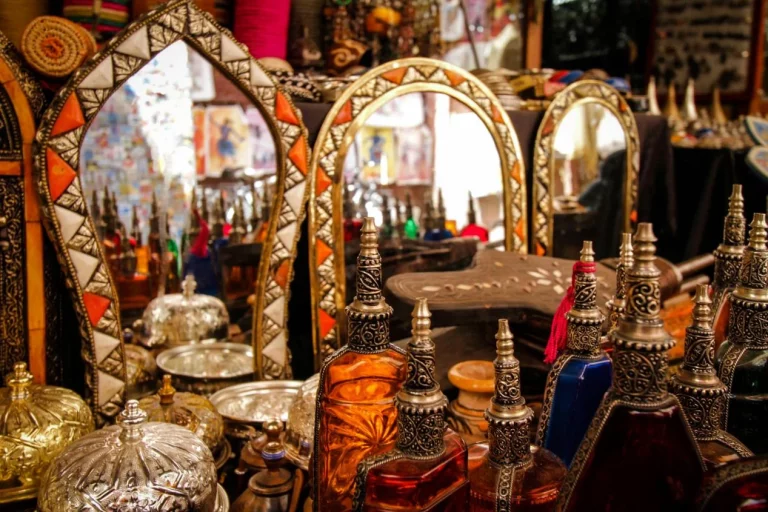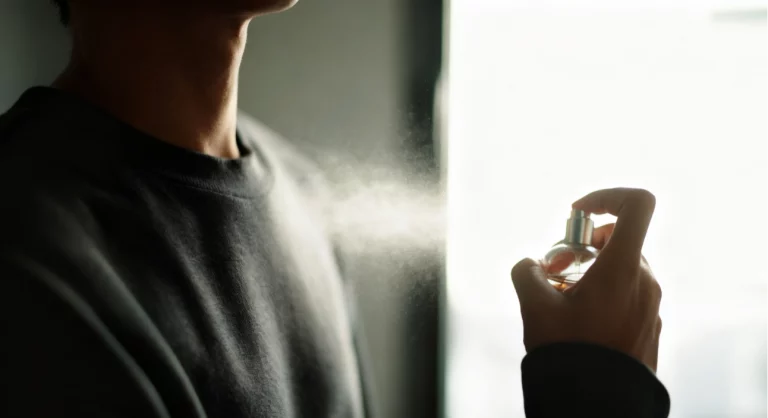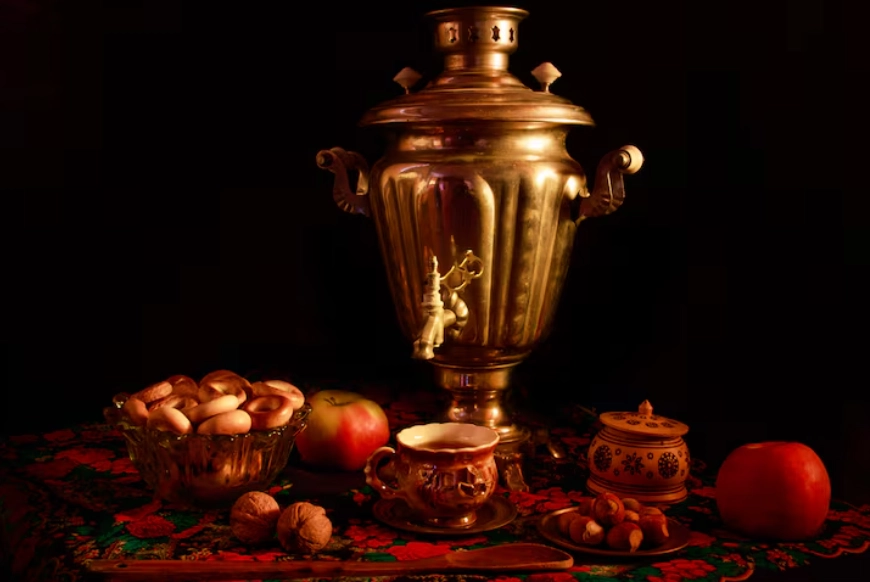
Arabian and Oriental perfumes were never conceived as decorative luxuries alone. From their earliest forms, these scent systems functioned as tools—shaping ritual behavior, signaling social position, structuring hospitality, and reinforcing personal identity. In contemporary cologne culture, these same traditions persist, though translated into new formats, materials, and usage patterns. If you work closely with fragrance—whether in formulation, evaluation, or cultural analysis—you recognize that the value of these perfumes lies not in novelty, but in functional continuity. This article examines how Arabian and Oriental perfumes operate across traditional and modern contexts, and why their applications remain technically and culturally relevant today.
Who Is Meiqi, and Why Does Its Approach Fit Both Traditional and Modern Cologne Culture?
In many fragrance systems, heritage and modernity are treated as opposing forces. Meiqi approaches them instead as complementary parameters within the same technical framework. Its work in Arabian and Oriental perfume development reflects a formulation-first mindset, where cultural background, wearing habits, and chemical behavior are addressed together rather than sequentially.
Rather than reducing traditional scent profiles to symbolic references, Meiqi focuses on how these perfumes function in real conditions. Resin-heavy accords, oriental woods, and warm aromatics are designed to respond predictably to skin chemistry, ambient temperature, and time. This allows compositions to retain the structural authority associated with traditional use while adapting to modern expectations such as controlled diffusion, portability, and repeatable performance.
You see this clearly in how Meiqi treats cologne formats. Alcohol concentration, volatility curves, and fixative systems are calibrated so that traditional scent logic—long presence, spatial influence, and identity signaling—remains intact even in spray-based applications. The result is a bridge between ceremonial heritage and contemporary daily wear, without dilution or theatrical exaggeration. For those engaged in serious fragrance work, this balance offers a practical model for preserving cultural function within modern market realities.
How Were Arabian and Oriental Perfumes Traditionally Used Beyond Personal Scent?
Before the emergence of modern cologne conventions, scent served roles far broader than personal adornment. Arabian and Oriental perfumes operated as environmental modifiers, social instruments, and symbolic markers.
How Ritual, Hospitality, and Identity Expression Defined Early Applications of Arabian and Oriental Perfumes
In ritual contexts, perfumes were burned, diffused, or applied to garments to shape atmosphere and signal sacred transitions. Their purpose was spatial as much as personal, creating zones of meaning rather than individual signatures. In hospitality, scent conveyed respect and generosity. Guests were often perfumed as part of formal reception, reinforcing social bonds through olfactory gesture.
Identity expression functioned differently from modern branding. Instead of novelty, consistency mattered. Repeated use of specific scent structures established recognition within families or communities. Longevity and projection were therefore technical priorities, not aesthetic excess. These applications explain why traditional formulations favored dense resins, stable woods, and slow-evolving accords that could endure time, movement, and environment.
How Do Modern Cologne Formats Change the Way Oriental Perfumes Are Applied?
The transition from oils, balms, and smoke to alcohol-based sprays altered application mechanics, but not underlying intent. What changed was scale and control.
How Alcohol Carriers, Spray Mechanics, and Urban Lifestyles Redefined Application Methods
Modern cologne formats introduced portability and precision. Alcohol carriers enabled faster evaporation and wider diffusion, while atomizers allowed controlled dosage. This shifted usages from communal or environmental application to individualized routines suited to urban mobility.
However, these changes also imposed constraints. Excessive projection became impractical in dense social settings, and scent behavior needed predictability across varied climates and schedules. Oriental perfumes adapted by refining structure rather than abandoning depth. Resin intensity was balanced, volatility moderated, and transitions smoothed to maintain presence without overwhelming proximity. You can see how modern application methods reshaped technique, not purpose.
Where Do Traditional Scent Functions Still Exist in Contemporary Cologne Use?
Despite modernization, many traditional functions persist, often unnoticed, within daily cologne practices.
How Layering, Time-Based Wearing, and Contextual Use Preserve Cultural Function
Layering remains a quiet continuation of traditional practice. Applying scent to skin, clothing, or accessories echoes older methods of spatial influence, even when done discreetly. Time-based wearing—lighter application during the day, fuller expression in the evening—mirrors ceremonial rhythms of exposure and intimacy.
Contextual use also reflects tradition. Oriental profiles are often chosen for moments requiring authority, depth, or formality, serving the same identity-signaling role they once did in communal settings. These patterns demonstrate that modern cologne culture did not erase traditional logic, but reorganized it within contemporary life.
Which Modern Products Translate Traditional Oriental Logic into Daily Cologne Use?
Not all modern colognes succeed in this translation. Many simplify oriental elements into decorative notes, losing functional coherence. Others retain structure while adapting to daily wear requirements.
How a Structured EDP Can Maintain Cultural Depth While Remaining Wearable and Consistent
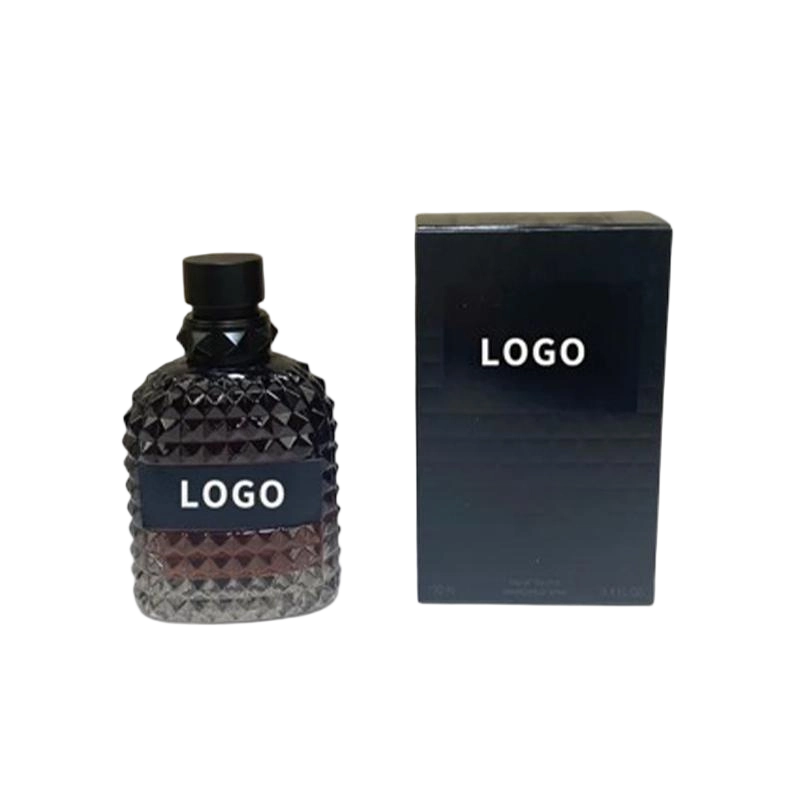
A relevant example is the 1-1 original EDP cologne perfume. Its composition emphasizes controlled resin presence and stable aromatic development rather than transient impact. Projection remains intentional, not aggressive, allowing the scent to function across professional, social, and personal contexts.
On skin, the fragrance evolves gradually, preserving depth without dramatic spikes or collapse. This behavior reflects traditional priorities—continuity, authority, and recognition—executed through modern formulation techniques. For daily use, such balance is essential if oriental perfumes are to remain practical rather than symbolic.
How Do Oriental Perfumes Function in Gender-Neutral and Time-Specific Applications?
Historically, Arabian and Oriental perfumes were not rigidly gendered. Their structures were shared, with variation arising from context rather than identity labels.
How Shared Olfactory Structures Support Unisex Use and Time-Based Wearing Patterns
Resins, woods, and warm aromatics possess inherent neutrality. Their association with masculinity or femininity is largely a modern construct shaped by marketing segmentation. In practice, these materials respond to skin chemistry more than gender, making them suitable for shared use.
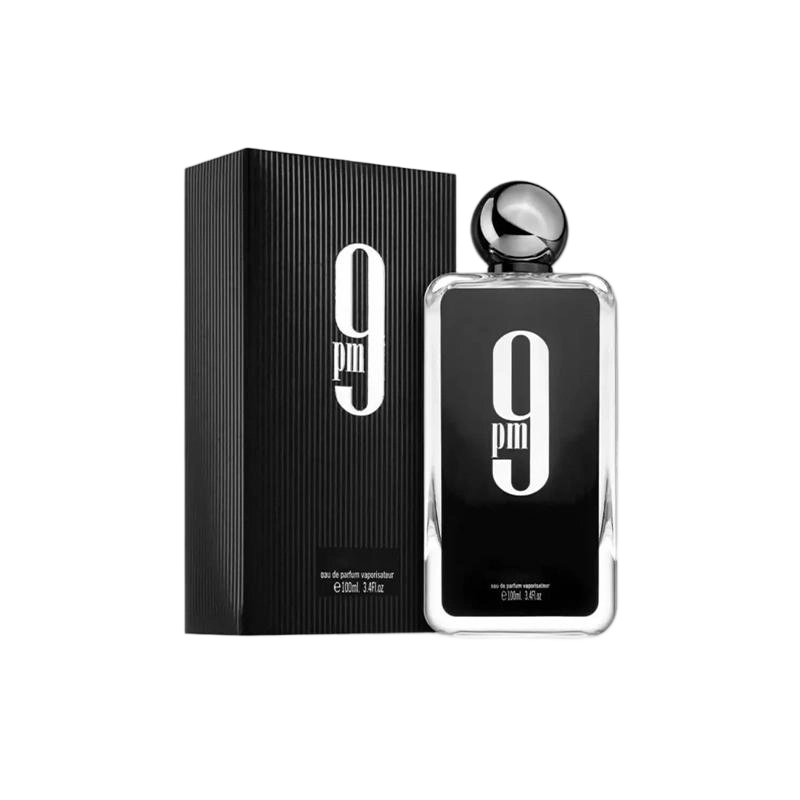
Time-specific application further supports these profiles. Evening wear allows fuller expression of depth and warmth, aligning with traditional use during gatherings or rituals. The luxury and long-lasting unisex cologne perfume at 9pm illustrates this principle, using oriental structure to support late-day presence without modification for gender signaling. This approach restores historical accuracy while meeting contemporary expectations.
How Can Product Development Bridge Traditional Perfume Culture and Modern Market Demands?
For long-term relevance, oriental perfumes must navigate between cultural fidelity and industrial consistency.
How OEM & ODM Development Allows You to Preserve Tradition While Meeting Modern Usage Expectations
Through the service of OEM &ODM, you can adjust diffusion curves, resin ratios, and volatility profiles without altering core identity. This enables adaptation to climate, usage frequency, and regulatory environments while maintaining functional intent.
Such development frameworks support scalability without cultural erosion. By treating tradition as a technical parameter rather than a narrative asset, oriental perfumes can evolve purposefully. Over time, this approach builds stable olfactory identities rooted in authority, continuity, and practical use—qualities that have sustained these scent systems for centuries.
FAQs
Q: Are Arabian and Oriental perfumes still functionally relevant in modern cologne culture?
A: Yes. Their relevance lies in structural depth, longevity, and contextual signaling. Modern formats refine application, not purpose.
Q: Can traditional oriental profiles integrate into daily professional environments?
A: They can when diffusion and volatility are controlled. Structure matters more than note selection in determining suitability.
Q: Does unisex positioning weaken the cultural identity of oriental perfumes?
A: No. Shared use reflects historical practice. Gender neutrality aligns more closely with tradition than rigid segmentation.