The worldwide fragrance scene during 2026 has moved decisively away from standardized mass production toward more individualized and character-focused expressions. Among contemporary men, an aroma no longer functions merely as part of routine grooming, but it operates as a deliberate extension of personal identity and overall bearing. Such development reflects a refined combination where longstanding masculine characteristics merge with the exacting capabilities of present-day chemical formulation.
How Is the Definition of Masculine Elegance Evolving in 2026?
The prevailing period places strong emphasis on what has come to be known as “olfactive quiet luxury.” This direction favors layered depth along with genuine ingredient quality rather than the bold, manufactured projection typical of earlier times. True refinement now arises from the way a composition interacts with distinct skin properties, resulting in an aroma that registers through presence instead of loud announcement. Current interpretations of masculinity frequently draw upon fougere and amber frameworks that skillfully balance sturdy elements with subtle, almost intoxicating undertones, producing profiles marked by richness and composure.
Why Is Bespoke Scent Design Gaining Traction?
Custom creation permits the avoidance of commonplace combinations. Through the selection of elements that align closely with daily routines and have gained preferences, individuals develop an atmosphere that remains uniform across both workplace and personal interactions. Frequently, this tailored method incorporates strategic overlapping of scent families, such as the combination of robust herbal sharpness with smooth woody creaminess, to moderate the final impression effectively.
How Does Heritage Influence Modern Taste?
Masculine refinement, as an expression of style in 2026, typically alludes to various historical traditions, including the 16th-century tradition of perfuming leather gloves to eliminate unpleasant odors caused by tanned materials. Modern interpretations of these styles revive these traditions through using tobacco, honey, and floral details in bold and refined styles that exude confidence.
Can Personalization Redefine Modern Olfactory Identity?
Fragrance identity today increasingly centers upon the structured unfolding of top, heart, and base layers. Future directions hinge upon the manner in which these stages develop across extended periods, creating a narrative that progresses naturally from initial encounter through lasting memory. Effective personal scent signatures depend upon smooth progression, where fleeting citrus openings gradually give way to intricate spice or floral centers.
How Does Molecular Science Enable Customization?
Incorporation of laboratory-created molecules together with naturally derived extracts has broadened possibilities for individual expression. Synthetically produced compounds deliver reliable uniformity and extended duration essential for superior performance, thereby enabling entirely new aromatic dimensions unavailable through nature alone. This technical accuracy guarantees that custom blends preserve their intended character across diverse atmospheric situations.
Which Aromatic Structures Anchor Future Masculinity?
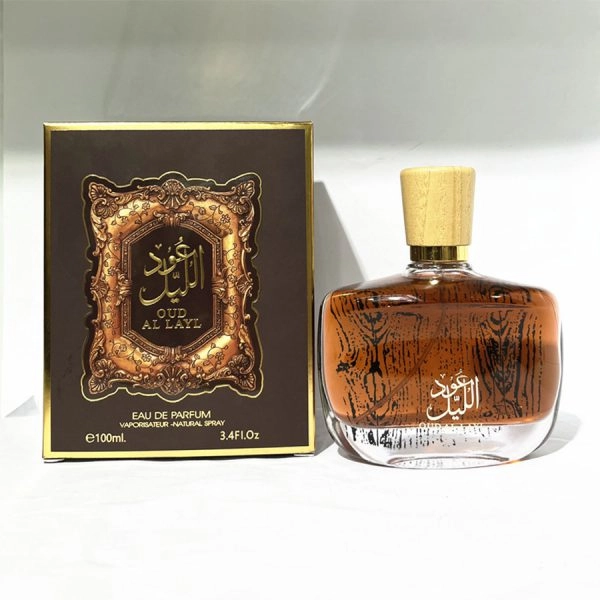
Although floral components once received limited attention in masculine contexts, present trends welcome floral amber arrangements. Such combinations blend resinous warmth and vanilla softness to render traditional floral elements more comforting and ceremonial in character. Those pursuing the highest expression of this direction often turn toward the AL LAYI Middle East perfume, which skillfully unites classic agarwood traditions with refined modern woodiness to establish an enigmatic and opulent presence appropriate for meaningful occasions.
How Does Precision Manufacturing Secure Luxury Standards?
Every significant perfume results from a demanding production process that combines creative intuition with rigorous scientific monitoring. From the initial expert sensory evaluation by trained testers to the subsequent chemical validation by gas chromatography, every production batch must show complete consistency in both physical and olfactory qualities.
Transforming initial creative concepts into marketable luxury items necessitates collaboration with specialists possessing substantial technical capability. Meiqi functions as an essential behind-the-scenes contributor for entities aiming to establish a lasting presence in the fragrance sector. Through the utilization of sophisticated CO2 extraction processes alongside precise gas chromatography analysis, the organization ensures every portion achieves demanding performance criteria. Whether complete ODM development or specialized private label production becomes necessary, proficiency in managing precious substances, including Omani frankincense, ensures authenticity in resulting signatures. Careful equilibrium between imaginative goals and manufacturing exactness receives priority, with sustainability considerations integrated without diminishing overall potency. This dedication elevates ordinary compositions into treasured luxury possessions.
Why Is Sourcing Transparency Non-Negotiable?
Fundamental fragrance quality depends entirely upon the authenticity of source materials. Discerning users increasingly insist upon responsibly obtained ingredients, ranging from carefully gathered floral essential oils to sustainably collected resins. Contemporary recovery approaches, such as CO2 extraction, gain preference since they preserve original scent characteristics while minimizing environmental impact through the use of pressurized carbon dioxide rather than aggressive chemical solvents.
How Is Batch Consistency Verified?
Assurance that a chosen aroma remains unaltered across multiple bottles requires thorough sensory assessment combined with controlled stability evaluations. Exposure to varied temperature ranges and lighting conditions reveals behavioral patterns under different circumstances. Comprehensive examination of this nature confirms long-term stability throughout the expected shelf duration, thereby safeguarding the value placed upon personal presentation.
Which Concentration Best Suits Your Lifestyle?
The selection of an appropriate strength level constitutes a practical consideration shaped by intended use patterns. Decisions between Eau de Parfum (EDP) and Parfum hinge upon desired persistence and surrounding context. EDP formulations typically contain 15-20% aromatic concentration, delivering roughly five hours of noticeable presence and thereby serving reliably in daytime professional settings.
Is Parfum Superior to Eau de Toilette?
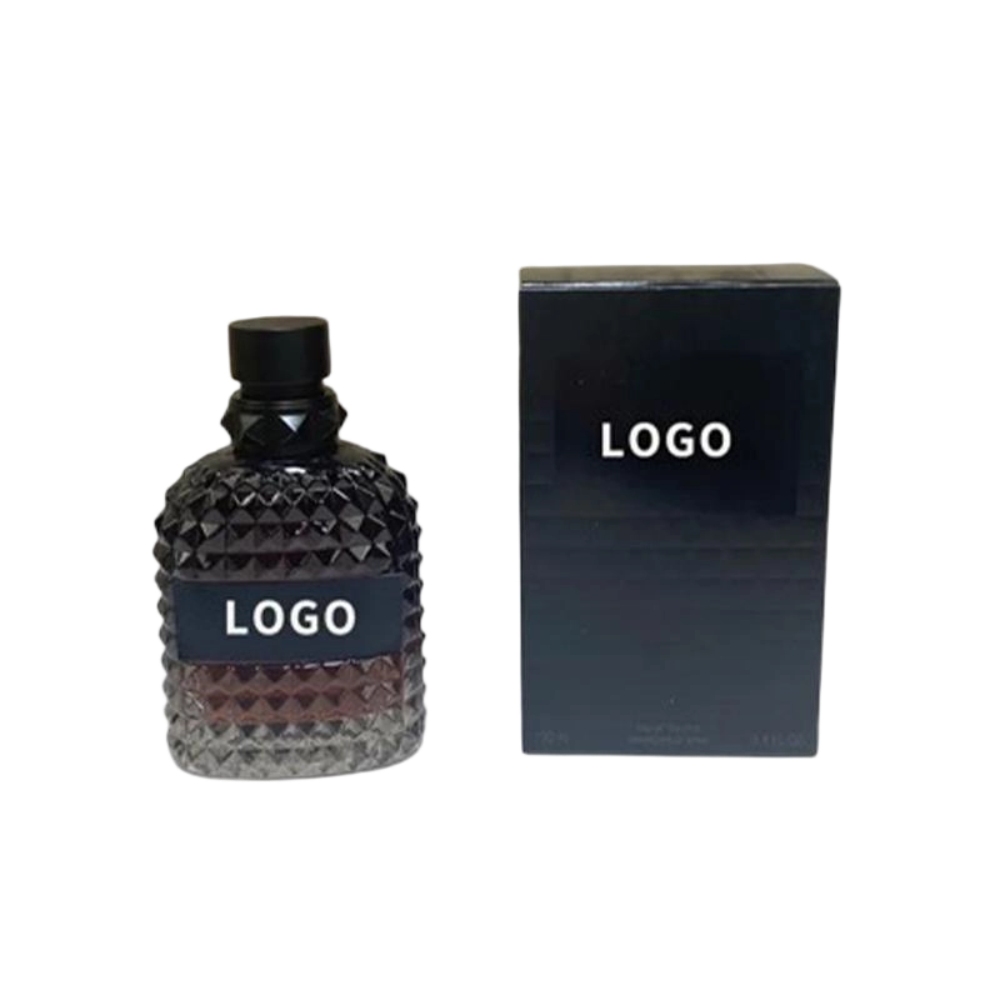
Parfum provides maximum aromatic density at 20-40%, yielding a profound, indulgent character capable of extending up to eight hours. Such intensity often proves particularly appropriate during colder seasons or formal evening gatherings due to its composed sophistication. For invigorating everyday wear that combines adequate duration with bright citrus or herbal freshness, premium original EDP cologne perfume spray supplies adaptable performance suited to dynamic routines.
How Does Application Affect Longevity?
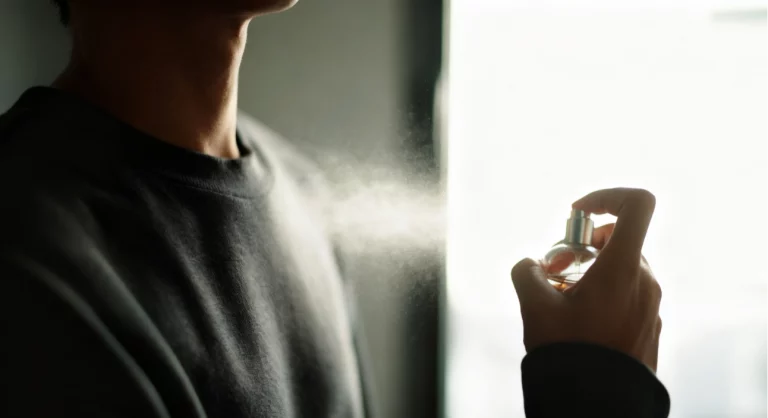
Superior compositions lose effectiveness when application occurs improperly. Aromatic molecules demonstrate optimal behavior when placed upon regions characterized by elevated skin temperature and active circulation, including inner wrists, areas behind ears, and lower neck surfaces. These naturally warmer locations facilitate gradual release driven by body heat, frequently extending detectable duration two to three times beyond results achieved through fabric application.
Can Emerging Trends Reshape Masculine Identity?
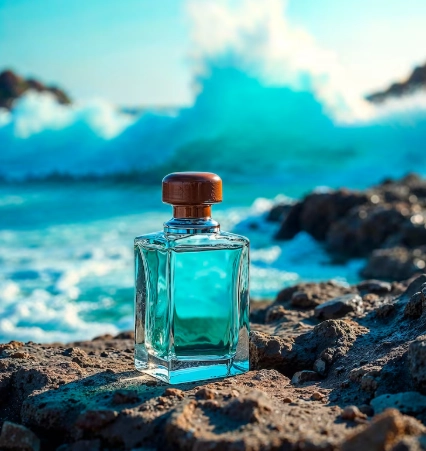
Progressing further into 2026 reveals renewed appreciation for aromatic elements drawn from hearty herbs such as rosemary and basil, indicating a stronger connection with natural origins. These components commonly appear alongside spicy or woody groupings to generate lively but captivating experiences. Additionally, increasing adoption of aquatic characteristics, produced through synthetic compounds including calone, introduces airy crispness suggestive of marine breezes or post-rain atmosphere, aligning particularly well with preferences for contemporary clean profiles.
Conclusion
Prospects for men’s fragrance reside at the convergence of individual sensibility and scientific expertise. Understanding both the chemical foundations and artistic blending processes enables the establishment of enduring olfactory signatures distinguished by lasting refinement.
FAQs
Q: Where is the most effective place to spray perfume for maximum duration?
A: Application proves most successful in regions displaying elevated skin temperature alongside strong blood flow. Commonly recommended positions encompass inner wrist surfaces, areas immediately behind the ears, and neck regions near collarbone level. Such naturally warmer zones function effectively as gradual release points, permitting steady fragrance development throughout extended periods.
Q: How can I preserve my collection of fragrances?
A: The best conditions for preservation are provided by cool, dry, and dark places such as closed drawers or cabinets. Fragrances exposed to light, warmth, or moisture will degrade faster due to the breakdown of the essential oil molecules. Refrigeration generally proves inadvisable because repeated temperature variations may adversely affect composition quality.
Q: What is the main distinction between “Amber” and “Woody” notes?
A: Amber notes, which were formerly classified under Oriental fragrances, are based on resinous ingredients like agarwood, spice notes like cinnamon, and animalic notes, thus creating mysterious and sensual accords. The woody notes, on the other hand, are based on cedar, sandalwood, or patchouli, and evoke fresh, dry, and stable scents, much like those of newly swan wood.