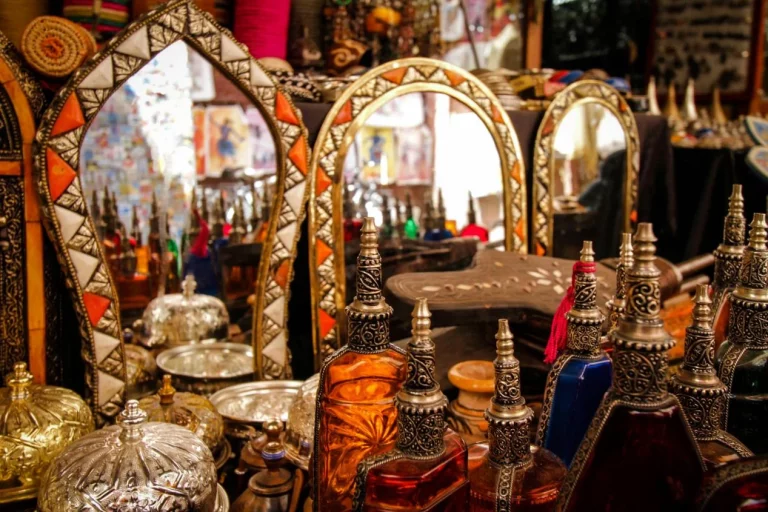
Arabic perfumes gain notice for their outstanding staying time, originating from thick natural parts like oud, amber, frankincense, and musk mixed with old oil-based mixes. These materials fade slowly and stick well to skin, making smells build in stages over hours. Strong cultural habits in the Middle East also form Arabic scent making. There, fragrance plays spiritual, social, and ritual parts. Methods like scent building add detail and lasting strength. Current makers keep these old ways but improve blends for today’s use, which makes real Arabic perfumes stay full, lasting, and open to buyers around the world.
What Makes Arabic Perfumes So Distinctive in Their Longevity?
How Do Traditional Ingredients Influence the Scent’s Staying Power?
A main trait of Arabic perfumes shows in their great lasting power. This quality ties closely to the pick of old ingredients. Natural gums like oud, amber, and frankincense build the bottom of many Arabic scents, valued by not just for their smell detail but also for their heavy makeup. This lets them fade much slower than man-made or light compounds.
Frankincense comes from certain evergreen trees and serves as a main part in Arabic perfumes. It adds a balsam depth that stays on skin and cloth for many hours. In the same way, oud holds a big place in Arab life, in homes, offices, and big events like weddings. Its strong woody and smoky smell lasts because of the high oil in agarwood where oud comes from.
Besides, holders from plant sources like musk and amber help keep light top notes steady, boosting the fragrance’s staying time and detail over hours. The key feature of Arabic perfume appears in its warm, spicy, attractive, unusual, and detailed smells made from local materials and ways.
Why Are Oil-Based Formulations More Effective Than Alcohol-Based Ones?
Arabic perfumes follow old ways with oil bases instead of alcohol ones. This choice greatly changes both fullness and lasting time. Oil parts naturally match skin and let the fragrance stick better, releasing smell bit by bit. This slow spread makes the perfume open in stages over time.
Alcohol fades fast and can make top notes vanish quickly, but oil-based mixes keep the scent build strong, which creates a deeper and more pulling smell experience. Arabian perfumes earn fame for their pleasant aromas. Musk, jasmine, amber, and oud help build these fragrances, all working especially well in oil forms because of their thick chemical build.
The liking for oil-based perfumes goes beyond use. In general, perfume holds a bigger role in Arab societies. It blends into religious, spiritual, social, and creative activities. This forms a hidden and layered world of smells. This background stresses lasting effects over quick ones, and oil-based perfumes fit this naturally.
How Does Cultural Heritage Shape Arabic Perfumery?
What Role Does Scent Play in Middle Eastern Social Customs?
In Middle Eastern ways, fragrance holds a high spot that goes past simple care. Perfume in the Arab world often goes beyond a beauty item. It ties closely into religious, spiritual, social, and artistic parts. Perfume serves not just to boost personal charm but also as a sign of welcome, faith, and good manners.
People often greet guests with scented smoke or bakhoor as a mark of honor. Daily perfume use matches Islamic ideas that stress cleanliness. In Arab thinking, cleanliness stands as the top part of life. Putting on fragrance after cleaning rituals happens often, showing personal faith and social kindness.
This cultural focus has grown deep skill in making passed through families. People have built special mixes with area materials like saffron, rose oil, and sandalwood, which hold meaning in smell and symbol.
Why Is Layering Fragrances a Common Practice?
Building scents stands as a skill in Arabic perfume making, allowing users to make unique smell patterns that show their character. It means mixing different fragrance kinds like bakhoor for room scent and thick oils for skin to build detail and boost spread.
This way also lengthens fragrance life. As one layer weakens, another shows up. This keeps the smell active. The combination of Damascus rose with agarwood and sandalwood keeps the soft charm of flower notes while adding woody fullness and depth. Such mixes work well for building layers, and give strong starting notes and lasting end notes.
Building scents matches the cultural worth on smell fullness. Fragrance does not stay the same but changes through the day and in different social places.
How Do Modern Artisans Preserve the Essence of Traditional Arabic Perfumes?
In What Ways Are Classic Techniques Adapted for Contemporary Preferences?
Arabic scent making stays tied to old ways but keeps growing with current skill. Makers now still use long-time distillation ways but improve blends to fit world tastes for ease and change.
This mix of old and new shows in brands like Meiqi. They join old raw materials like oud and frankincense with today’s perfume ways to make graceful yet lasting scents. Arabian ways played a big part in shaping this type of perfume. Meiqi honors this history while opening it to current buyers.
By stressing polish without losing strength or realness, current Arabic scent makers open new paths for world liking while keeping cultural meaning.
Why Do Certain Notes Like Oud and Amber Dominate Arabic Perfumes?
What Makes Oud So Central to Middle Eastern Fragrance Profiles?
Oud holds a special place in Arabic scent making because of its scarcity and smell fullness. Arabian oud or agarwood holds high demand in Arabic scents, coming from agarwood touched by a certain fungus. Oud grows over years into resin wood with strong smell traits.
Agarwood has a deep woody smell, giving smoky and animal tones that pull and last long. Its heavy makeup gives great staying power on skin. This explains why it leads end notes in old mixes.
Its cultural meaning also adds to its use. Oud holds a key spot in Arab life, in homes, offices, and big events like weddings. Used on body or burned as smoke in rituals, oud stands for spiritual fullness and social standing.
How Does Amber Add Depth and Warmth to a Composition?
Amber serves as another main part of Arabic perfumes. It works as a holder and blender across scent stages. Besides the main items listed, Arabic perfumes also include old fragrance parts such as jasmine, amber, and musk.
Amber usually mixes gums like labdanum with sweet balsams and vanilla tones to make a warm end that grounds lighter parts. It adds a covering softness that boosts lasting time while making smooth shifts between top, middle, and end notes.
Its golden warmth matches oud’s depth well, creating a smell pattern that feels rich yet even.
Can Modern Consumers Experience Authentic Arabic Scents Without Compromise?
Are There Accessible Options That Retain Authenticity Without Sacrificing Quality?
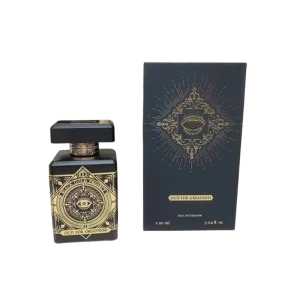
Current brands now give products that stay close to old Arabic mixes while using improved parts fit for daily use. For example, 1–1 Oud Wood Men’s Perfume spray Cologne shows a carefully made blend that catches the heart of Arabian oud without too much strength.
Such choices make real Arabic perfumes open to new groups without weakening cultural truth.
How Can One Ensure They’re Choosing a Genuine Formulation?
To spot real Arabic perfumes from common copies, buyers should check signs like strength levels such as attars or perfume oils, clear sourcing ways, and notes of old pulling methods like water distillation or soaking.
Trusted makers often share their use of top parts like agarwood from Southeast Asia or frankincense from Oman. They also follow classic mix ways.
FAQs
Q: Why do Arabic perfumes last longer than typical Western fragrances?
A: Thick natural parts like oud and amber joined with oil-based mixes add to their longer staying time compared to alcohol-based Western scents.
Q: Can Arabic perfumes be worn daily or are they too intense for casual settings?
A: Though usually full, many current mixes including those from Meiqi give even strength fit for everyday use without too much pull on senses.
Q: What’s the best way to apply Arabic perfume for maximum effect?
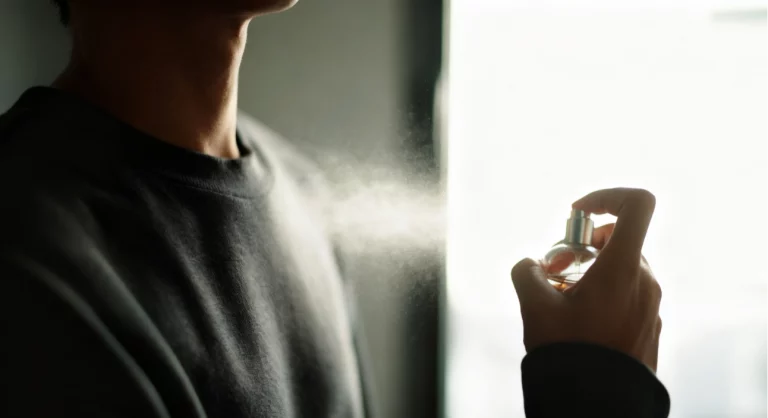
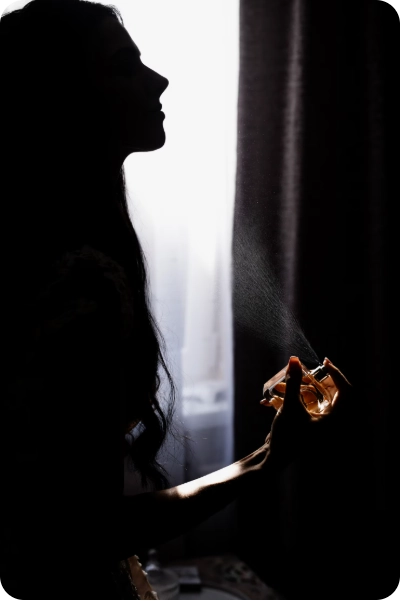
A: Place it straight on pulse spots like behind ears or inside wrists. Building with bakhoor or scented body oils can further boost spread and lasting time.