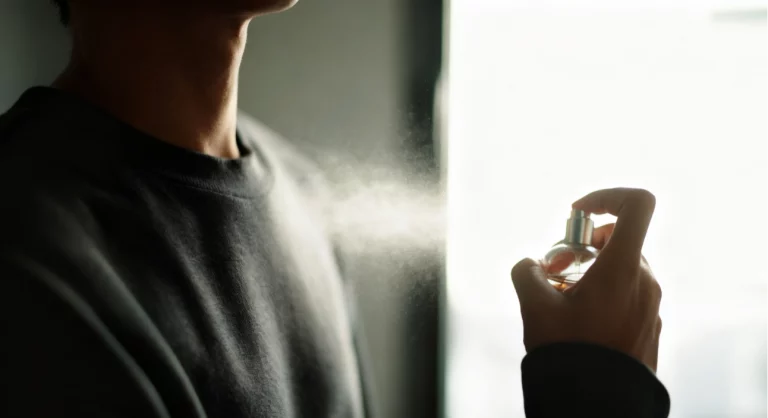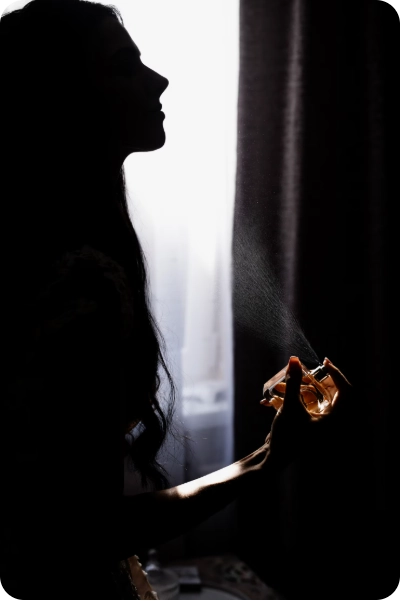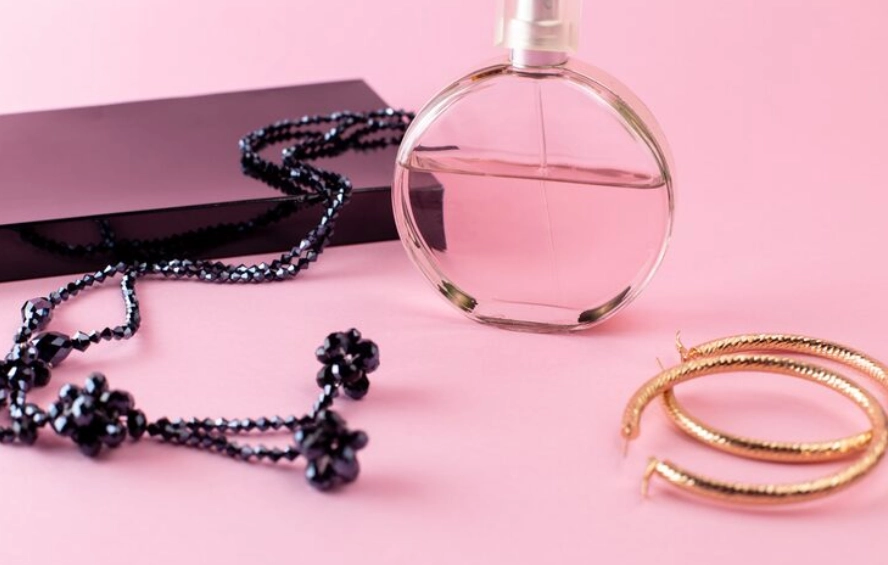
In today’s world of personal image-building and workplace conduct, a fragrance functions as a quiet but powerful signal of character. The capacity of an aroma to create a memorable presence stems not just from clever promotion but also emerges from carefully designed chemistry, accurate production techniques, and longstanding cultural influences. Individuals operating in demanding environments where strong impact matters greatly benefit from understanding the subtle scientific details that distinguish short-lived odors from timeless creations.
What constitutes the technical blueprint of a lasting fragrance?
The staying power of a perfume, which means how long it stays noticeable after being applied, depends on the arrangement of its molecules and the balanced interaction among its various parts. An aroma capable of making a deep impact requires strong resistance to change along with a thoughtfully arranged pattern of evaporation.
Does concentration dictate longevity?
Within classifications used in professional contexts, the strength of fragrance oils acts as the main measure of duration. Parfum, which holds 20% to 40% aromatic oils, delivers a rich, profound character that generally persists from 6 to 8 hours. Such elevated levels permit the aroma to develop with graceful depth, rendering it particularly appropriate for important events or cooler weather conditions where lighter elements could fade rapidly. Meanwhile, Eau de Parfum (EDP), featuring 15% to 20% concentration, strikes a useful middle ground between everyday adaptability and a solid 5-hour span, establishing it as a reliable choice for steady professional visibility.
How do base notes solidify the scent?
The quality of an enduring effect relies heavily upon the Base Notes, or dry notes, within a perfume’s framework. These heavier components feature the greatest molecular mass and the least tendency to evaporate, enabling them to remain present over extended periods. Materials like resins derived from agarwood, combined with musky animal-derived elements and woody combinations such as sandalwood or vetiver, serve as anchoring agents. Beyond simply contributing aroma, they envelop the more fleeting floral and citrus aspects, delaying their release and helping the overall composition preserve its essential character well beyond the opening application.
How does raw material extraction influence olfactory purity?
The quality of any fragrance remains constrained by how pure its source ingredients prove to be. Converting raw natural substances into reliable essential oils calls for a combination of time-honored practices and state-of-the-art procedures.
Why prioritize modern extraction methods?
Although Steam Distillation continues as a respected approach for blossoms and plants, exposure to heat occasionally harms sensitive aromatic elements. For capturing an exceptionally realistic and clear impression, newer techniques such as CO2 Extraction gain preference. Pressurized carbon dioxide applied at reduced temperatures permits the capture of highly delicate and quick-evaporating notes without heat-related breakdown, thereby maintaining the true essence of the original material. Consequently, the resulting perfume appears more genuine and lively, drawing notice through its exceptional sharpness.
Can synthetic molecules surpass natural extracts?
A widespread assumption holds that artificial substances fall short of natural ones. In truth, such compounds play vital roles in achieving reliable results and developing fresh scent combinations unavailable in nature. Artificial molecules broaden the range available to creators, supplying extended duration and distinctive characteristics—like the crisp, watery quality of Aquatic Notes (Calone)—which cannot be obtained through direct harvesting. Many memorable fragrances depend on these advanced synthetics to connect natural elegance with the practical needs of contemporary use.
Why are Middle Eastern accords dominating the high-end market?
Worldwide trends now favor Amber Notes (previously termed Oriental), indicating increased interest in aromas that convey a ceremonial quality along with substantial richness. Such compositions inherently aim for strength, opulence, and remarkable persistence.
What is the secret of Arabian Oud?
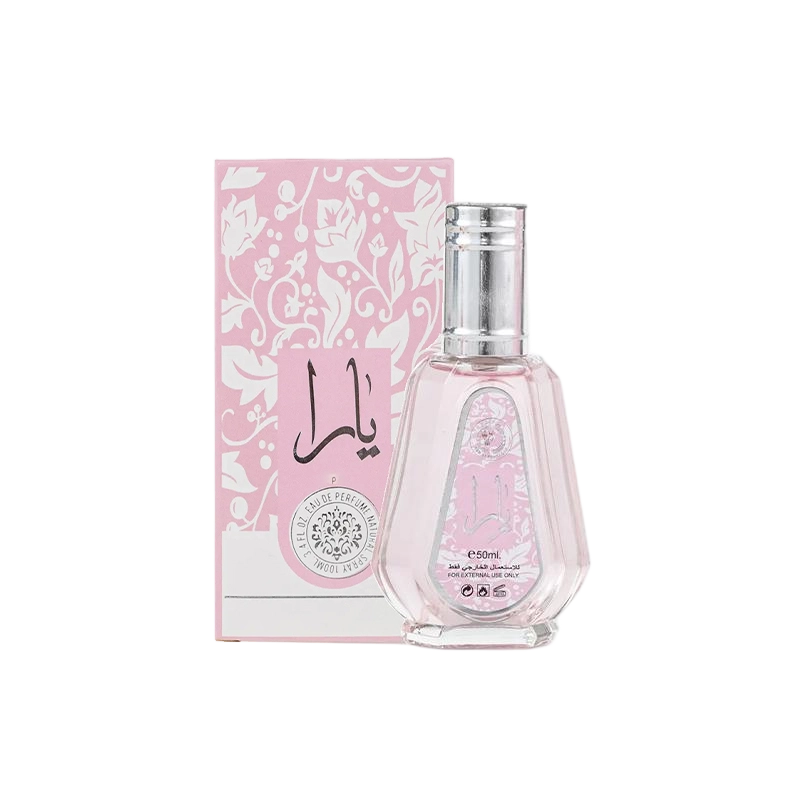
Regarded as “liquid gold,” oud (Agarwood) forms the foundation of Arabian fragrance traditions. The material yields a profound, woody, and slightly smoky character that establishes an enigmatic and lavish environment. Due to its rarity and intricate scent layers, oud functions as an emblem of prestige and influence. Professional women often find that oud-centered fragrances deliver an authoritative aura difficult to overlook. Perfumes such as YARA perfumes have brought these Middle Eastern styles to wider audiences, employing superior essential oils to produce an exotic, long-trailing effect.
Why does Damascus Rose remain peerless?
Within Middle Eastern customs, Damascus Rose commonly appears alongside oud or Sandalwood. The pairing preserves gentle floral grace while incorporating deep woody richness, yielding an aroma that balances femininity with strength. Such contrast proves crucial for establishing a refined professional image that remains elegant rather than excessive.
Can manufacturing precision elevate brand authority?
Every captivating bottle conceals a manufacturing sequence where even tiny deviations—measured in milligrams—can affect outcomes.
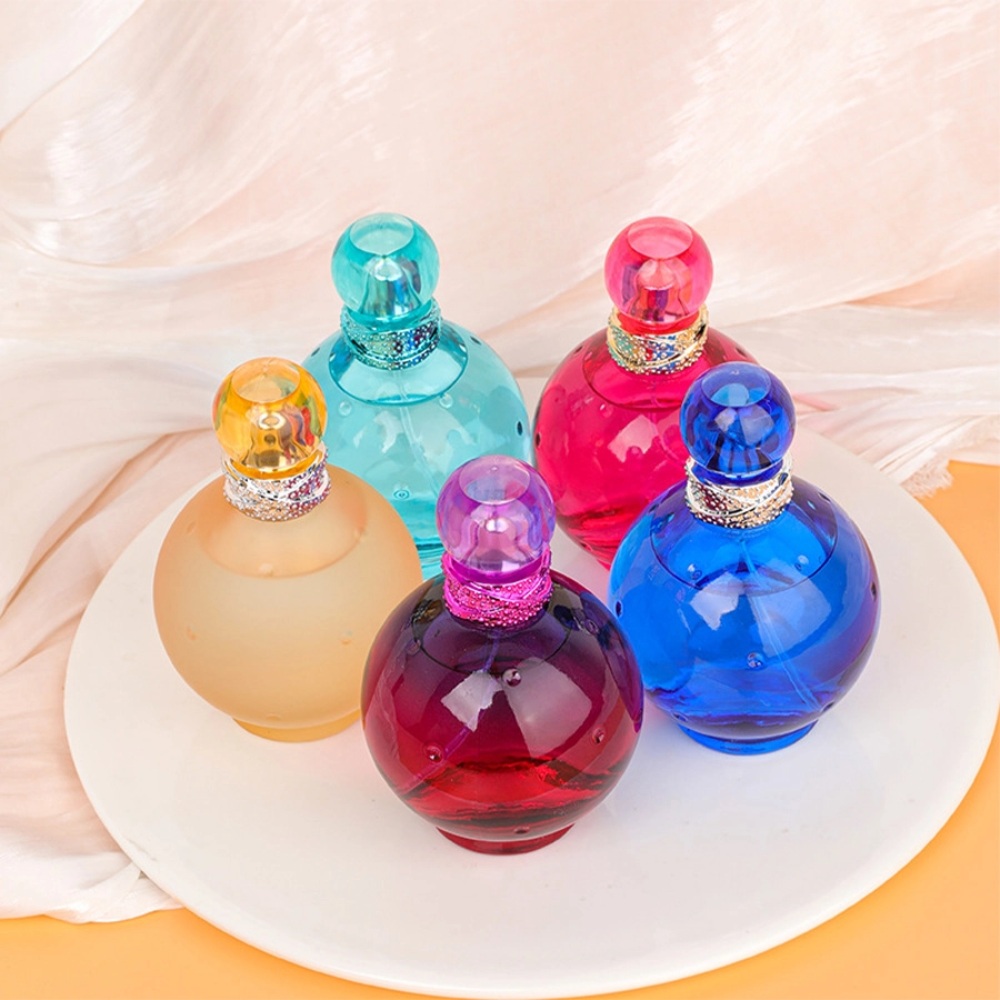
In such an exacting field, Meiqi distinguishes itself by approaching fragrance creation as equal parts artistic expression and scientific discipline. We supply ODM& OEM services, supporting labels via well-established supply networks and globally competitive manufacturing setups. Equipment designed for ultra-accurate measurement guarantees flawless proportioning in every mixture, while automated blending machinery produces uniform aroma distribution, thereby removing sources of uneven performance. Dedication to superior standards also includes advanced filling operations and thorough testing devices that examine each production run. Collaboration with our company grants access to specialists focused on developing creative recipes and dependable production methods, assuring consistent alignment with top international benchmarks.
How does aging refine complexity?
Mass-produced items frequently overlook the value of patience by bottling too soon. Premium fragrances demand an extended Aging (Maceration) phase, spanning weeks and occasionally months. During this interval, alcohol and aromatic oils merge smoothly, softening rough aspects and fostering greater depth and polish in the final character. This deliberate method contributes to the luxurious perception of a scent and supports fluid progression across its different stages.
Why is filtration the final gatekeeper?
Crystal-clear appearance requires cooling the blend, followed by careful filtration. Lowering the temperature below 5°C solidifies waxy remnants and unwanted particles, enabling precise elimination. Such a procedure remains essential for long-term stability and visual purity over the product’s lifespan—a defining feature of self-developed Middle East perfumes by us, where both transparency and intensity receive unwavering priority.
How to architect a signature olfactory strategy?
The ultimate factor in creating a memorable effect lies in thoughtful application by the individual wearing it. Superior technical construction alone fails to deliver full potential when usage circumstances receive inadequate consideration.
Does skin chemistry alter the formula?
Identical compositions reveal varied expressions across different people owing to distinct skin acidity, warmth, and hydration states. Achieving prolonged presence benefits greatly from moisturized surfaces, since aroma molecules attach more effectively under those conditions. Developing awareness of personal scent responses through careful observation and direct trials offers the surest path toward harmonious interaction with individual skin properties.
Which pulse points maximize diffusion?
Body warmth drives a steady release when application targets regions of heightened circulation: wrists, areas behind ears, neck, and inner elbows. These warmer spots encourage controlled evaporation, permitting layered unfolding across many hours. Friction from rubbing wrists together should be avoided, however, because such action disrupts early and intermediate phases prematurely, shortening the intended development cycle.
FAQs
Q: How does the “Aging” process specifically improve a fragrance’s performance?
A: Over the course of several weeks during maturation, chemical elements achieve a balanced state referred to as harmony. The process diminishes alcohol sharpness while enabling substantial base notes to blend thoroughly with lighter initial ones, producing gentler progression and greater resistance to degradation once applied.
Q: Why is glass the preferred packaging for high-end perfumes?
A: Glass exhibits chemical neutrality, preventing interaction with volatile oils present in the composition. Excellent sealing qualities block oxygen entry that could otherwise trigger oxidation and modify the scent. Additionally, its substantial feel, combined with clear visibility, conveys premium quality and reliability unattainable through plastic alternatives.
Q: What is the primary difference between a “floral” and a “soft floral” note?
A: Conventional floral elements highlight crisp, verdant, and sugary qualities drawn from genuine flowers such as roses or jasmine. In comparison, soft floral variations integrate aldehydes together with musks, generating an abstract, powdery, almost soapy character that typically appears more restrained and suitable for professional settings than bold, straightforward floral arrangements.