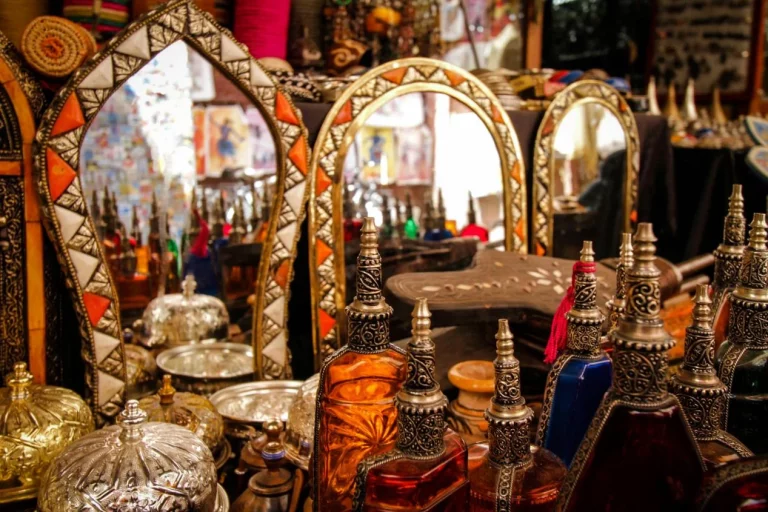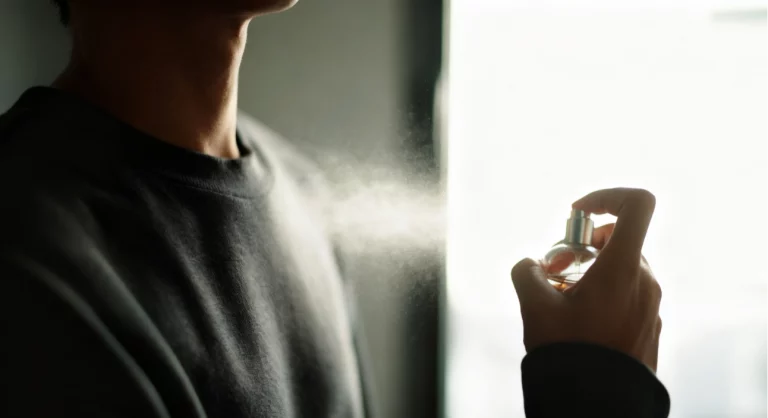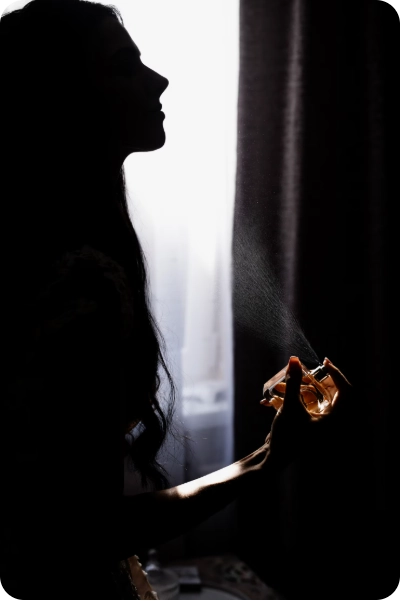
Arabic perfumes draw attention in today’s scent making because of their strong ties to old ways, rich natural parts, and layered smell builds. Made from items like oud, amber, rose, and saffron, they bring warmth, strength, and lasting stay that goes past simple smell. Their cultural, spiritual, and hand-made past turns each scent into a story experience. As world buyers look for stronger, more showing smells, current brands rework Arabic scent making by mixing real roots with new style. This keeps these fragrances both lasting and fitting in the present world scent scene.
What Makes Arabic Perfumes So Captivating in Modern Perfumery?
The Role of Tradition and Heritage in Crafting a Distinct Olfactory Identity
Arabic scents gain fame not just for their costly smells but also for their deep culture and past meaning. In general, scent in the Arab world often rises past a simple beauty item. It links close with faith, spirit, social, and art uses. This builds a hidden and rich world. The long culture mix gives Arabic scent making a special weight. It turns each fragrance into a sign object.
Main parts in Arabic scents—such as oud, musk, amber, and rose—serve more than smell choices. They stand for hundreds of years of ways. Arabian scents stand known for their great smells. Musk, jasmine, amber, and oud build these fragrances. Arabian ways helped much in growing this group of scents. These parts work as smell signs of meaning and recall. Makers weave them with care through hand blending skills passed down over years.
Arabic scent makers often use old layer ways to build strength and lasting time. They create rich fragrances that change over hours instead of fading fast. The main trait of Arabic scent rests in its warm, spicy, sensual, far, and rich smells. Makers form them from local items and ways. This turns each fragrance not just a smell, but a past story caught in sweet form.
How Sensory Complexity Shapes the Appeal of Arabic Fragrances
Arabic scents catch the senses with their many-sided build. These mixes gain notice for big changes—from bright top tones to deep and smoky base layers. The play between different sweet parts leads to a changing smell event that opens through the day.
A mark feature comes from the mix of smoky woods like oud with sweet resins such as amber or frankincense. As a main smell in Middle Eastern scent work, agarwood shows strong woody and smoky tones. This builds a hidden and rich feel. Frankincense, a sweet resin from evergreen trees in the olive group, forms a key part in all Arabic scents. These mixes give smells that prove both strong and fine—traits that set them apart from more straight Western fragrances.
This sense depth speaks straight to scent lovers who seek richness over ease. Arabic scents build for those who value the change of smell through time—where each layer shows something new about the wearer and the world around.
Why Are Arabic Perfumes Gaining Popularity Among Global Consumers?
The Shift Toward Richer, More Expressive Fragrance Profiles
In recent years, a world move away from simple smell patterns toward stronger and more open ones has taken place. Arabic scents meet this want with unmatched reach, richness, and lasting time. The main trait of Arabic scent rests in its warm, spicy, sensual, far, and rich smells, which gain fame for their costly, strong, and lasting smells.
Such traits draw buyers who see smell as part of self—a personal mark that stays long after leaving. For these people, Arabic scents give not just fragrance but strong presence. The strength of parts like saffron or sandalwood speaks to bold natures ready to leave a mark.
The layering potential of Arabic perfumes allows users to create signature blends tailored to specific moods or occasions—another factor contributing to their growing global appeal.
Cultural Curiosity and the Influence of Middle Eastern Aesthetics
Today’s buyers know more about the world than before. More contact with Middle Eastern ways—through travel, media, and online places—has raised interest in area luxury habits, including scent making.
Arabic scents show the heart of Middle Eastern beauty: fancy, rich, and deep pull. Symbolic fragrance materials such as frankincense, oud, saffron, rose, and lily are known for their luxurious, intense, and long-lasting aromas. These parts offer more than smell—they give a story event that links users with old past.
This extra side raises Arabic scents past business goods. They turn into culture objects—stories told through smell—that touch feelings with users across places.
How Does Ingredient Quality Elevate the Value Proposition?
The Use of Rare Natural Materials Enhances Perceived Luxury
One of the strongest sides of Arabic scent making lies in its trust on scarce and costly raw parts. Items such as pure oud oil or Taif rose prove hard and work-heavy to get. Agarwood (oud), for example, stands among the most valued parts in scent work because of its scarce nature and rich smell build. The most expensive oud ingredient used in perfumery is agarwood, which creates a mysterious and luxurious atmosphere.
Taif rose or Damascus rose also shows high skill in picking and drawing. Except exuding a soft and fragrant floral scent, the Damask roses also give off the aroma of woody richness and depth. These parts not only mean true nature but also grow better over time—gaining strength instead of losing it.
This hand getting plan backs the luxury place of Arabic scents while explaining their high prices in the world market.
Synthetic vs Natural: Why Arabic Perfumes Favor Authentic Raw Materials
While made parts offer even results and lower costs, they often miss the fine touch found in natural ones. Arabic scent makers choose raw parts on purpose because of their depth and culture meaning. Arabic scent makers place raw parts first for their smell richness and culture signs.
For example, saffron’s metal flower tones or frankincense’s resin glow cannot match well with made copies. Saffron stands as one of the costliest spices in the world, and frankincense also was the world’s most expensive spice. Their place turns fragrance from simple smell into a feeling event—something that links wearers with place, time, and ways.
These hand picked parts add to mixes that prove richer in feel and more touching in feelings than large made choices.
In What Ways Does Meiqi Interpret Arabic Perfumery Today?
Introducing Meiqi: Bridging Artisanal Roots With Contemporary Expression
Meiqi leads in current Arabic scent making by joining old skills with new show. The brand stresses true nature through careful getting—pointing valued parts such as oud wood, saffron, and rose pure—and gives them in unisex mixes built for strength.
Each Meiqi fragrance works as a sense trip made to balance past with current grace. The brand’s thinking roots in story telling: scents prove not just goods but stories meant to call memory and meaning.
By holding both hand ways and current beauty, Meiqi serves both pure seekers of true nature and new users wanting open polish.
Which Products Best Represent This Modern Arabic Olfactory Language?
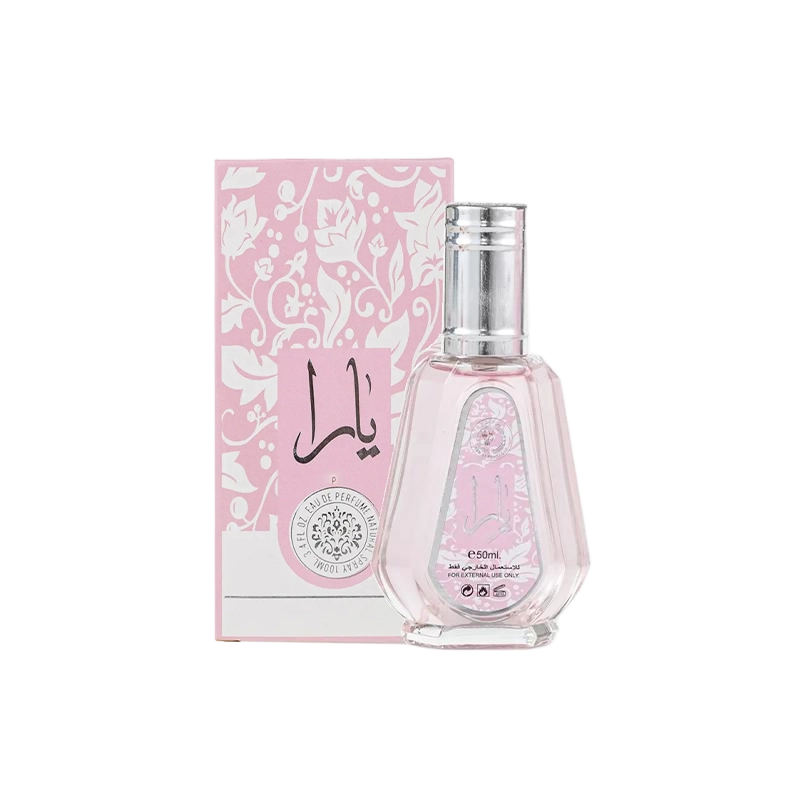
YARA Perfume: A Feminine Interpretation of Sensual Tradition
The YARA perfume show how woman side can fit within old Arabic scent language. It holds main flower tones like jasmine placed over creamy vanilla and held by sandalwood—a mix that gives warmth and sense without too much strength.
This build draws those seeking grace with richness—a fragrance fit for formal nights or times when one wants to leave a lasting mark without losing soft touch.
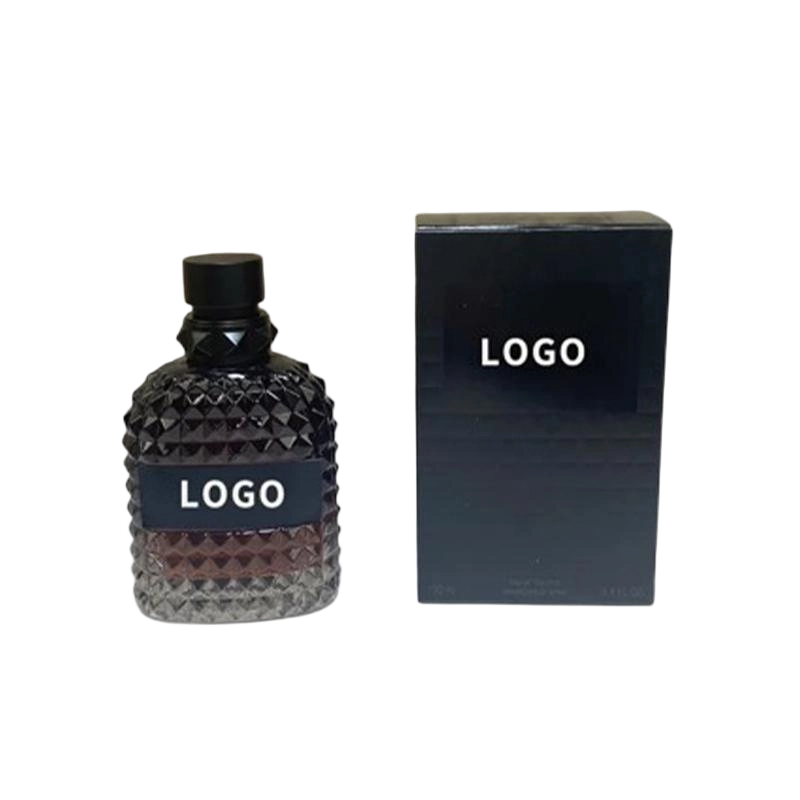
1-1 EDP Cologne: A Bold Statement for the Contemporary Wearer
The 1-1 EDP cologne perfume shows Meiqi’s promise to unisex draw through a strong yet fine build. It starts with bright citrus top tones that move into spicy heart parts before settling into resin base layers. This change makes sure lasting time while keeping fit across different places—from daily wear to mark statement scents.
Its even build makes it perfect for wearers who value change without losing depth or strength.
FAQs
Q: What makes Arabic perfumes different from Western fragrances?
Arabic scents usually show stronger reach, longer wear time, and richer raw parts like oud or amber compared to lighter Western ones focused on fresh or simple styles.
Q: Are Arabic perfumes suitable for everyday use?
Yes—while old ways wore them for special times because of strength, many current versions offer even builds fit for daily wear without too much presence.
Q: How should one apply Arabic perfumes for optimal effect?
Put on pulse spots such as wrists or behind ears; heat helps open rich tones slowly; layer with no-scent oils can also raise lasting time without changing the smell build.