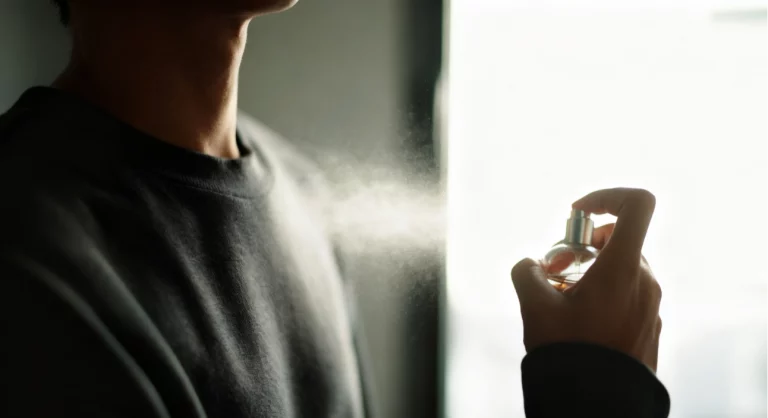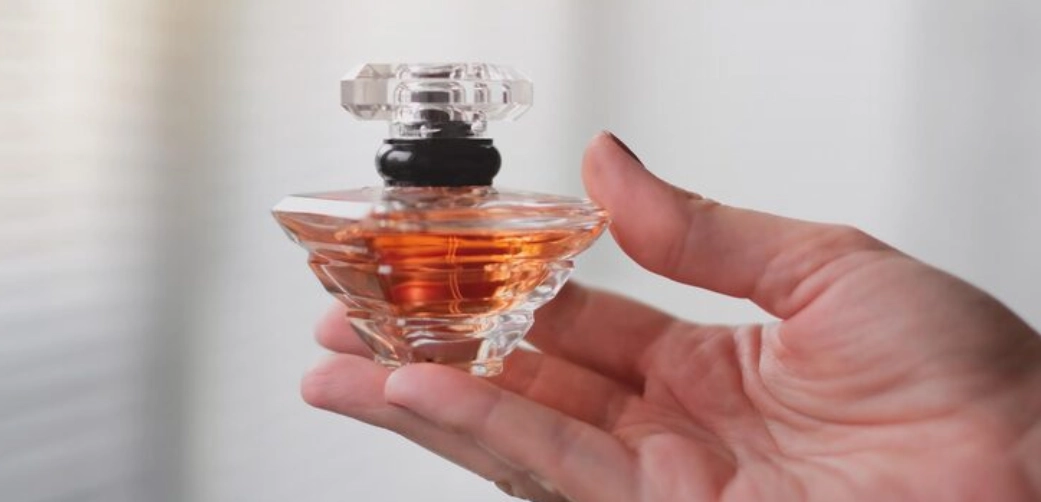
Durability in perfume has expanded beyond specialized interest among high-end purchasers or particular cultural scent practices. Across worldwide markets influenced by extended working hours, frequent journeys, and diverse environmental conditions, the staying power of a fragrance now serves as a key technical measure. Assessment goes beyond initial appeal after application, and focuses on whether the aroma retains its framework, distinctive nature, and balance throughout its presence.
The long-term performance of perfume is determined by several choices instead of one isolated technique. The arrangement of materials, level of strength, manufacturing accuracy, and even individual application habits collectively shape how a scent behaves on both skin and materials. This discussion explores the primary elements that govern the enduring quality of perfumes, drawing on established principles from scent creation and industrial production methods.
Why Does Perfume Composition Directly Influence Longevity?
Before addressing manufacturing details or wearing practices, the material foundation of perfume construction requires careful consideration.
Which Types of Ingredients Last Longer on Skin?
Aromatic substances display varied responses after contact with oxygen, body warmth, and physical activity. Highly evaporative elements like citrus essences and delicate herbal extracts vanish swiftly, while denser substances, such as woody varieties, resins, amber materials, musk compounds, and selected synthetic creations, adhere more persistently to the surface.
Organic distillates contribute richness and personality, but contemporary artificial molecules hold significant importance in prolonging duration. These engineered substances demonstrate resistance to quick vaporization while preserving clear aromatic expression. Proper balance between natural origins and synthetic additions yields both genuine character and extended wear.
How Do Fragrance Note Layers Affect Scent Duration?
The lasting quality of perfume connects closely to its layered structure. Initial impressions arise from fleeting head notes that disappear rapidly, central notes carry the principal aroma, and foundational notes decide the overall lasting time.
Effective enduring scents avoid excessive reliance on lower register materials without thought, but use smooth progressions that permit weightier components to surface organically once lighter portions diminish. This organized layering prevents sudden breakdown and upholds the fragrance’s identity during long-term exposure.
How Does Concentration Determine Perfume Performance?
After selecting the components, decisions regarding strength levels dictate the temporal behavior of those materials.
Why Do Higher Oil Concentrations Last Longer?
The proportion of aromatic oils relative to the solvent largely governs the evaporation pace. Greater oil presence decelerates vapor loss, enabling scent particles to endure on the skin for extended periods. Consequently, Parfum and Eau de Parfum categories typically demonstrate superior persistence compared with lighter classifications.
However, an elevated concentration fails to ensure optimal results automatically. Overabundant oil content sometimes restricts sillage, causing the aroma to appear dense or subdued. Successful persistence relies on a careful balance between oil richness and outward reach.
How Does Alcohol Ratio Influence Diffusion?
The solvent functions primarily as a delivery medium that facilitates initial spread upon application. During its evaporation, fragrance elements become liberated gradually. Inadequate management of solvent levels can produce rapid initial dispersion followed by irregular decline.
Accurate dilution promotes steadiness and uniform release. In the perfume industry, it tends to maintain solvent proportions beyond essential minimums to avoid phase separation or aromatic distortion, thereby securing both long-term presence and sharpness.
How Do Production and Refinement Processes Affect Longevity?
Carefully planned recipes still risk diminished effectiveness without rigorous post-blending treatment.
Why Is Aging Important After Blending?
Following dilution, the combined materials benefit from a maturation period that permits molecular settling. This resting phase stabilizes interactions, softens harsh aspects, and enhances internal unity.
Maturation contributes to uniform behavior throughout the wearing period and minimizes jarring shifts between accords. Scents subjected to rushed or omitted maturation frequently exhibit disjointed profiles and inconsistent fading patterns.
How Do Cooling and Filtration Improve Final Quality?
Lowered temperatures prompt remaining waxes and foreign particles from organic sources to crystallize. Subsequent filtration eliminates those solids and yields a transparent and dependable solution.
Such processing holds particular value for enduring fragrances, since contaminants disrupt evaporation dynamics and disturb balance during use. Careful filtration ensures reliable outcomes across different production cycles.
How Can Manufacturing Expertise Improve Long-Lasting Perfume Development?
During large-scale operations, consistent fragrance performance hinges on faithful reproduction of recipes alongside protection of aromatic fidelity.
How Does a Manufacturing Partner Support Fragrance Longevity?
Practically speaking, the creation of durable perfumes demands meticulous ingredient procurement, precise combination, steady filling procedures, and systematic quality verification. An excellent production collaborator that unifies these elements minimizes variations in performance from one batch to another.
Meiqi, cooperating with other perfume enterprises, focuses on converting resilient scent visions into commercially viable offerings. By aligning formula optimization, container customization, and uniform fabrication processes, we achieve sustained longevity while expanding output effectively. This method benefits both new ventures and longstanding perfume collections, pursuing dependable results across geographical areas and seasonal variations.
What Types of Perfumes Demonstrate Long-Lasting Performance in Practice?
Abstract formulation guidelines gain clarity through examination of actual scent architectures.
Why Do Woody and Resin-Based Perfumes Persist Longer?
Compositions centered on woody, resinous, and oriental profiles depend on foundational substances characterized by naturally slow evaporation rates. These components provide anchorage and maintain a detectable presence even after considerable time elapses.
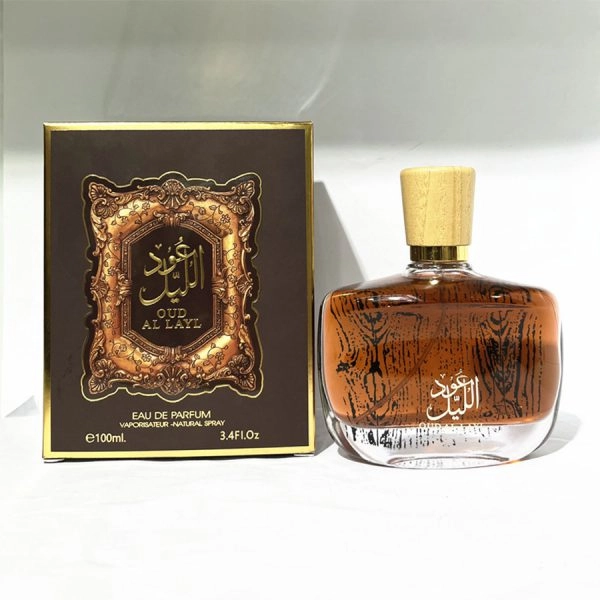
One example appears in Al Layi Middle East perfume, where the robust woody core facilitates measured scent development, preserving warmth and complexity throughout daily wear without sudden disappearance.
How Do Lifestyle and Application Habits Influence Fragrance Longevity?
Even formulations engineered for strength remain subject to usage patterns.
Where Should Perfume Be Applied for Longer Wear?
Warm areas on the body, such as wrists, neck, and areas behind the ears, produce gentle heat that supports controlled diffusion. Gentle placement on clothing or hair offers additional extension, provided the composition suits safe interaction with fabrics.
Skin that receives moisturizing treatment further enhances duration by reducing evaporation speed. In contrast, dry surfaces tend to draw in fragrance rapidly, shortening overall persistence.
How Do Climate and Storage Conditions Affect Perfume Stability?
Elevated temperatures hasten vaporization, and strong illumination accelerates the breakdown of aromatic molecules. Suitably keeping in shaded, temperate locations safeguards both quality and enduring capability.
Fragrances crafted for hotter regions frequently prioritize resilient lower structures. Desert Bloom serves as an illustration of sustained performance achieved without excessive potency, even under demanding thermal circumstances.
Conclusion
Enduring perfume capability arises from synchronized choices spanning composition design, strength calibration, processing accuracy, and practical application. Component choices form the essential groundwork, concentration levels regulate release and staying power, refinement procedures secure reliability, and production expertise preserves uniformity during expansion.
Alignment among these aspects transforms fragrance persistence into a foreseeable outcome instead of a chance occurrence. Both creators and consumers benefit from examining structural elements, procedural rigor, and situational factors rather than focusing solely on immediate intensity after spraying.
FAQs
Q: Why do some perfumes fade quickly even at high concentration?
A: Persistence relies on the evaporative nature of ingredients, layered structure, and manufacturing care rather than strength level by itself.
Q: Does applying more perfume improve longevity?
A: Increased volume enhances initial reach but fails to prolong molecular endurance; the intrinsic quality of the formulation carries greater significance.
Q: How should perfumes be stored to preserve long-term performance?
A: Bottles belong in cool, dry locations shielded from illumination and warmth to uphold aromatic stability and balanced evaporation characteristics.