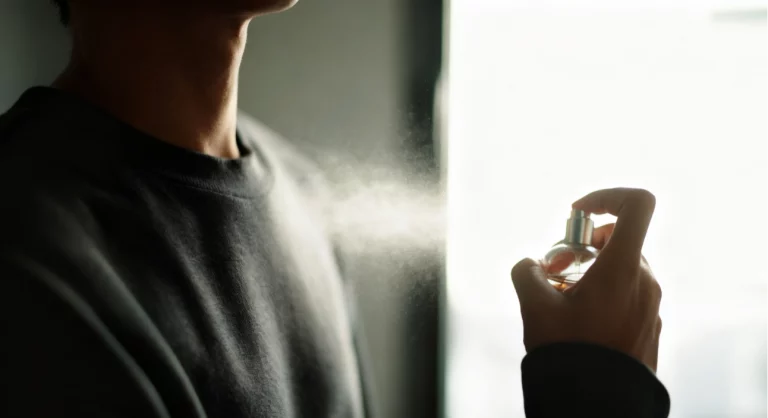
Do you really need to choose between light perfume and intense perfume?
People are often told to “pick a side” when buying fragrance: light or intense, fresh or deep, subtle or bold. In practice, this division greatly simplifies the actual performance of perfumes in our real life.
In view of the formulation, the way fragrance is perceived depends on volatility gradients, concentration levels, and the interactions between aromatic molecules, skin temperature, and hydration. These elements influence not just the initial strength after application, but also the development of perfumes over several hours. In modern cosmetic manufacturing, this layered performance logic is treated as seriously as color stability or texture consistency in makeup products, with controlled testing, stability evaluation, and batch-level verification forming standard practice across beauty categories.
This is why professionals rarely classify fragrance quality by “light versus strong” alone. A more meaningful question focuses on how the scent performs over time, across distances, and in various environments.
How fragrance volatility, note structure, and skin chemistry jointly shape your perception over time
Perfume functions as a controlled evaporation process. Top notes evaporate quickly, mid notes establish the main character, and base notes provide lasting support. Skin chemistry can change this progression, which is manifested that greater moisture slows down the evaporation speed, but warmer skin speeds up diffusion.
As a result, the same formula may appear airy on one person and dense on another. What you experience as “light” or “intense” is, therefore, not only a function of concentration, but also of how your skin interacts with aromatic compounds over time.
What exactly makes a perfume “light” in professional formulation terms?
From the perspective of professional classification, “light” perfumes usually correspond to lower aromatic oil concentrations and higher proportions of fast-evaporating carriers. These structures are designed to deliver clarity, quick diffusion, and minimal residue. Such perfumes are designed for consistent short-range presence and swift settling, which is suitable for situations where the scent should complement rather than overpower.
Why lower concentration, higher volatility, and fresher note pyramids naturally fit daytime and close-distance social environments
Light perfumes typically fall into Eau de Cologne or Eau de Toilette categories, and their aromatic oil ratios are optimized for:
- short to moderate longevity
- soft projection radius
- rapid transition from top notes to skin scent
In professional environments, this prevents olfactory fatigue among colleagues and reduces the risk of scent conflicts in shared airspace.
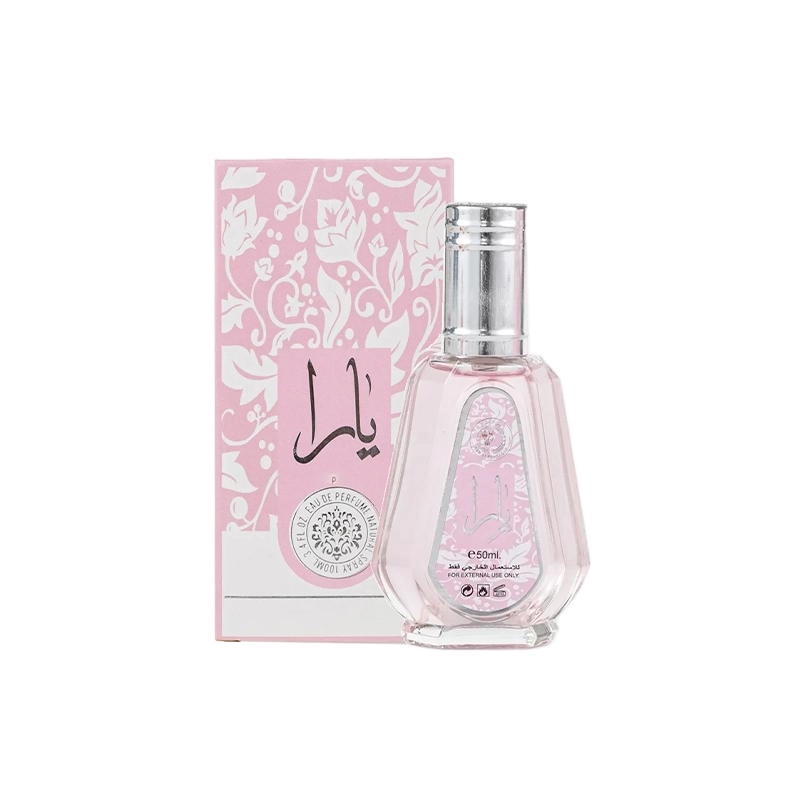
A representative example of this style is YARA perfume, which emphasizes a clean floral opening and restrained dry-down. Its structure shows how modern light fragrances are formulated to remain noticeable without becoming intrusive.
This approach mirrors how other cosmetic products are designed for controlled surface behavior: predictable release, stable composition, and repeatable sensory response across batches.
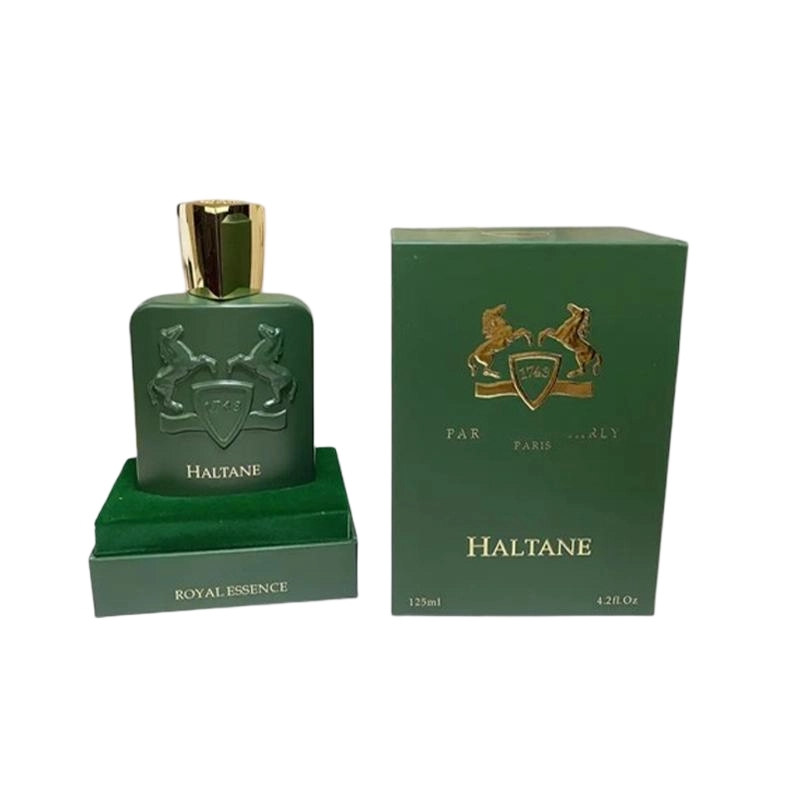
Why do intense perfumes feel more “powerful” rather than simply stronger?
Intense perfumes rely on higher aromatic oil concentrations and heavier molecular structures. These molecules evaporate slowly and bind more tightly to skin lipids and fabrics.
“Power”, in this context, is not just initial impact, but its persistence, diffusion radius, and emotional weight.
How higher oil concentration, slower evaporation, and denser base notes create long projection and emotional presence
Dense base notes, such as resins, woods, ambers, and musks, serve as anchors, which can stabilize the fragrance cloud and keep it noticeable for extended periods.
This characteristic allows intense perfumes to maintain their identity for 6 to 10 hours, extend beyond arm’s length, and form a distinct trail.
Proper using can create authority and depth, while excessive using overwhelms enclosed spaces. Therefore, precision application becomes essential—pulse points, minimal sprays, and strategic placement, which are more important than volume.
Which one aligns better with your daily environment, rather than your personal preference?
Personal taste determines enjoyment, but environments determine suitability.
As fragrance operates in shared air, the density you choose affects not only your own perception, but also everyone within several meters.
How seasonality, professional context, and interpersonal distance should guide your fragrance intensity choice
Three variables should be considered:
- Temperature:heat amplifies diffusion. What feels balanced in winter can become aggressive in summer.
- Distance: office desks, elevators, and meetings create near-field scent exposure.
- Duration: long workdays magnify cumulative base-note buildup.
In warm seasons and professional contexts, lighter compositions reduce risk, while in colder climates or evening social environments, denser structures become more practical.
Can one fragrance balance both lightness and longevity in real usage?
Fragrance that balances both lightness and duration actually exists. Balanced fragrances use volatile top notes for immediate freshness while embedding moderate-weight base notes for controlled persistence.
How balanced concentration design and layered note construction allow one perfume to perform across multiple occasions
These formulas avoid extremes, and deliver a clean opening, stable mid-phase character and a restrained but durable dry-down.
A practical illustration is the 125ml unisex cologne perfume spray. Its structure demonstrates how a fragrance can remain suitable for daytime wear while maintaining sufficient longevity for evening continuity.
Why your application method often matters more than the perfume itself
Even the most carefully engineered fragrance can fail through incorrect use.
How pulse-point placement, spray distance, and storage habits directly reshape performance regardless of fragrance category
Key variables include:
- Application zones: warmer areas intensify diffusion
- Spray distance: too close causes concentration spikes
- Skin condition: hydrated skin retains scent longer
- Storage temperature: heat degrades aromatic balance
Many longevity complaints trace back to evaporation acceleration caused by dry skin or heat exposure, instead of formula weakness.
Who is Meiqi and why its fragrance development logic deserves your attention
In the contemporary fragrance manufacturing landscape, Meiqi operates less as a conventional producer and more as a fragrance architecture partner.
Our development model centers on behavioral usage analysis rather than trend imitation. Instead of copying market-popular scent profiles, formulation begins with scenario mapping, including commuting duration, climate variability, social distance, and sensory fatigue thresholds.
From the manufacturing perspective, fragrance assessment integrates into a comprehensive cosmetic quality system that reflects standards in color cosmetics— careful ingredient selection, standardized blending methods, thermal stability testing, and long-term storage evaluations.
Consequently, our fragrance designs tend to avoid much dominant top notes. Instead, we emphasize predictable diffusion curves and balanced base-note anchoring, enabling fragrances to remain appropriate for both work and social situations without causing sensory burden.
Therefore, if you’re interested in our company or products,you can contact us via visiting our official website.
FAQs
Q: Is light perfume always safer for professional environments?
A: In most cases, yes. Lower concentration reduces projection radius and minimizes scent accumulation during long workdays, making it easier to maintain neutral air quality in shared spaces.
Q: Why does the same perfume last much longer on some people than on others?
A: Skin hydration, temperature, and lipid composition directly affect evaporation speed. Oily or well-hydrated skin retains aromatic molecules more effectively than dry skin.
Q: Can you combine light and intense perfumes in one routine?
A: Yes. Many people use lighter compositions for daytime and reserve denser structures for evenings or colder seasons, creating a functional fragrance rotation rather than relying on a single profile.