In 2026, a new fragrance line can start with a phone mood board, a few TikTok references, and a founder who already knows the bottle should look expensive. The early quote, though, can be misleading. A supplier may give a unit price that sounds manageable, but fragrance startup costs do not live only inside that number. Sampling, bottle changes, logo printing, carton testing, batch checks, freight, and slow-moving inventory can all appear after the launch plan feels settled. This is why many first-time brands run out of budget before they run out of ideas. To start fragrance line projects with fewer surprises, buyers need to see the quiet bills before they approve the first sample.
The First Hidden Cost Is an Unclear Product Brief
Most perfume business costs begin before the factory opens a bottle. A vague brief creates extra sample rounds, and each round eats time, courier fees, raw material work, and decision energy. One buyer says fresh floral. Another says clean office scent. A third wants something like a popular luxury fragrance but not too close. Those are not production instructions yet.
A practical brief should describe the target customer, selling price, fragrance family, bottle size, alcohol or oil direction, packaging mood, and first-order quantity. It should also say what cannot move. Maybe the scent must feel warm and resinous for Middle East channels. Maybe the bottle has to fit a hotel amenity box. That small discipline cuts custom perfume costs before sampling begins.
Sampling is Where Cheap Ideas Become Real Bills
Sampling is not only a perfumer’s fee. It often includes raw material sourcing, trial blending, alcohol dilution, aging time, color checks, small filling work, packaging mockups, and shipping samples across borders. A buyer who changes the scent, cap, and carton in three separate waves may pay more than a buyer who made harder choices before the first proof.
This is one reason mature ODM perfume routes attract new brands. A supplier with existing formulas and tested packaging can reduce the blank-page stage. Meiqi’s ODM and OEM service is relevant here because perfume development can cover concept design, formula work, sample proofing, mass production, packaging, and delivery support rather than only filling liquid into bottles.
Packaging Makes Small Decisions Expensive
A bottle is the part customers hold, so founders naturally care about its look. The hidden issue is that packaging choices can change the whole cost base. Glass weight affects freight. Cap material affects tooling and touch. Nozzle quality affects leakage complaints. Carton structure affects damage risk. Even label position can slow production if it is hard to apply consistently.
Glass, Pumps, and Cartons Carry More Risk Than They Show
Perfume bottles are usually glass for a reason. Glass has chemical stability, a stronger shelf feel, and better barrier properties than many plastic formats. But the grade matters. Soda-lime glass is common and lower cost. High-white glass looks cleaner and more premium. Colored or coated glass can protect light-sensitive fragrances and support a sharper brand look, but coating, hot stamping, screen printing, and frosting all add inspection steps.
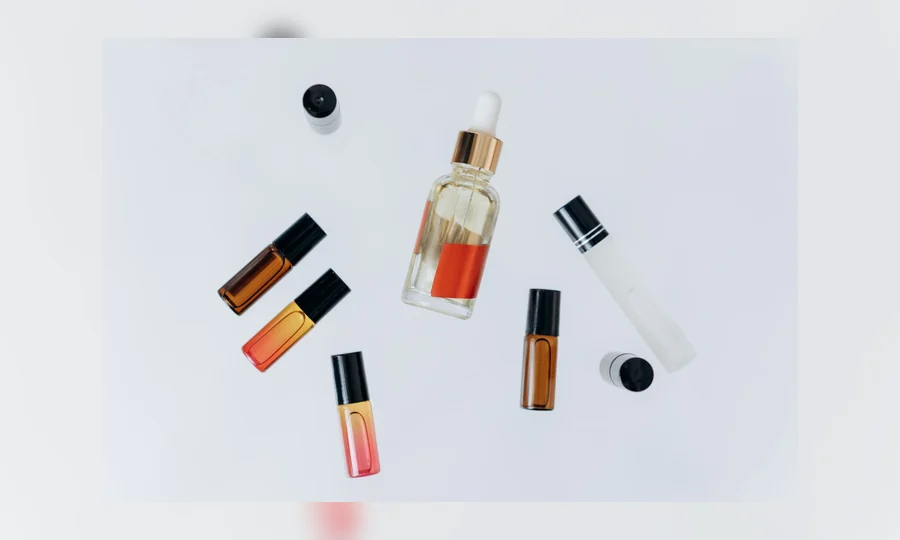
The nozzle is another quiet cost center. A poor valve or seal can turn a good scent into returned stock. Atomization, unit spray volume, starting pressure, cap tightness, ethanol resistance, and compatibility with the liquid all need attention. When buyers compare perfume manufacturing costs, they should ask whether packaging checks cover nozzle function, sealing, drop resistance, color difference, printing wear, and long-term storage compatibility.
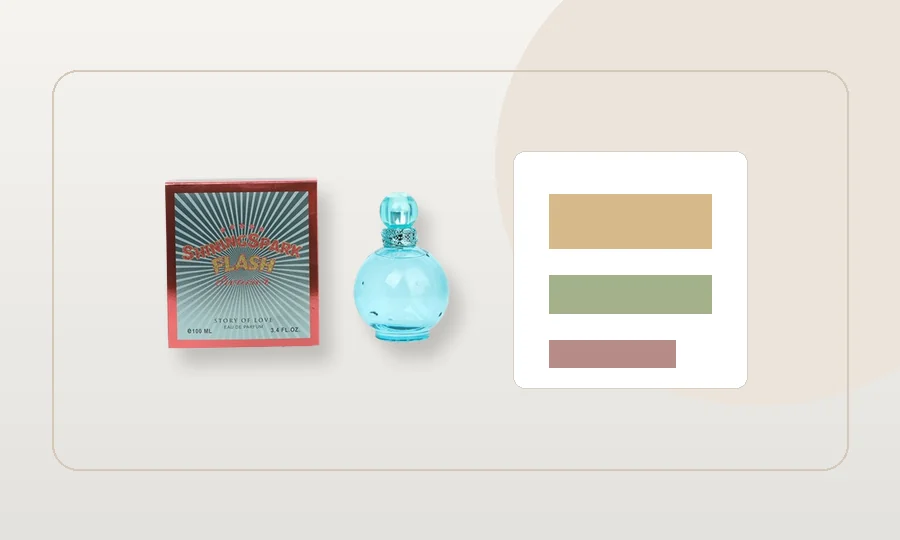
Product references help buyers think through positioning. A richer, warmer direction such as desert bloom perfume may need different color, cap, and carton choices from a fresher, daily cologne. A compact, affordable item such as long-lasting original cologne raises a different question: how much packaging can the price band actually carry?
Production Costs Do Not Stop at the Unit Price
A first quote often separates the bottle, liquid, filling, carton, and outer packaging. That is useful, but it still misses how perfume business costs behave in production. Cleaning, blending, filling, capping, labeling, carton packing, inspection, and warehouse handling all depend on quantity and SKU complexity. A 30ml item and a 100ml item do not simply scale by liquid volume.
Common perfume bottle sizes such as 25ml, 30ml, 50ml, 75ml, and 100ml can push very different decisions. Smaller sizes may look safer for trial orders, but they can raise packaging labor per unit. Larger sizes may improve perceived value, but they hold more cash in each bottle and add freight weight. Trial sizes such as 5ml, 8ml, 10ml, 15ml, and 20ml can support sampling campaigns, yet they also create extra components and stock control work.
MOQ is Really a Cash-Flow Question
MOQ is not only a factory rule. It decides how much money sits in bottles, cartons, labels, caps, and unsold fragrance. A buyer chasing the lowest unit price may be pushed into a larger run than the channel can absorb. Then storage, slow sales, reformulation, or label changes become new custom perfume costs that were never visible in the first quote.
Private label perfume buyers should also calculate rejection risk. If a batch has color drift, weak atomization, scratched coating, or carton deformation, the cheapest unit price no longer matters. Quality checks across raw materials, filling, packaging, and finished goods are part of the real budget. Meiqi’s perfume collection gives a useful view of how different fragrance types, bottle shapes, and market directions may require different production choices.
Supplier Support Can Reduce or Add Hidden Costs
The supplier choice becomes a financial decision once a buyer moves past mood boards. A factory that only accepts finished instructions may work well for an experienced brand team. A first-time founder, distributor, or retailer may need more guidance: which bottle size fits the channel, which packaging route is realistic, how many sample rounds are sensible, and where the budget is likely to leak.
Meiqi’s production base in Yiwu covers about 20,000 square meters and operates under GMPc workshop conditions, with ISO9001 and EU REACH-related experience. We also work with more than 3,000 formula references, which can help private label perfume buyers narrow the first sample direction faster. Those points matter most in the second half of a project, when good ideas need repeatable filling, packaging, and inspection.
A useful supplier conversation should not start with unit price only. Ask how the sample will be judged, who confirms packaging materials, whether a threaded or crimped nozzle is better, how logo printing is checked, what happens if the carton fails a drop test, and how repeat orders are matched to the approved sample. Meiqi gives the broader company context, while information about Meiqi is useful for checking factory scale and service direction before a more detailed RFQ.
The cleaner way to start fragrance line planning is to separate one-time development bills from repeatable production bills. Formula work, bottle mold fees, sample freight, design revisions, and compatibility tests may not repeat every order. Filling labor, packaging, inspection, inner boxes, outer cartons, and freight will return every time. Once those two groups are visible, fragrance startup costs become easier to discuss with a manufacturer and easier to defend inside a budget.
Conclusion
The hidden cost of a fragrance launch is rarely one dramatic mistake. It is usually a chain of small decisions: unclear sampling, heavy packaging, wrong MOQ, weak testing, slow approvals, or a supplier that cannot guide the first order. In 2026, buyers comparing perfume manufacturing costs should look beyond the bottle quote and ask what each choice does to cash flow, launch timing, and repeat-order stability. For sample direction, private label perfume planning, or packaging cost review, contact Meiqi at 932218963@qq.com