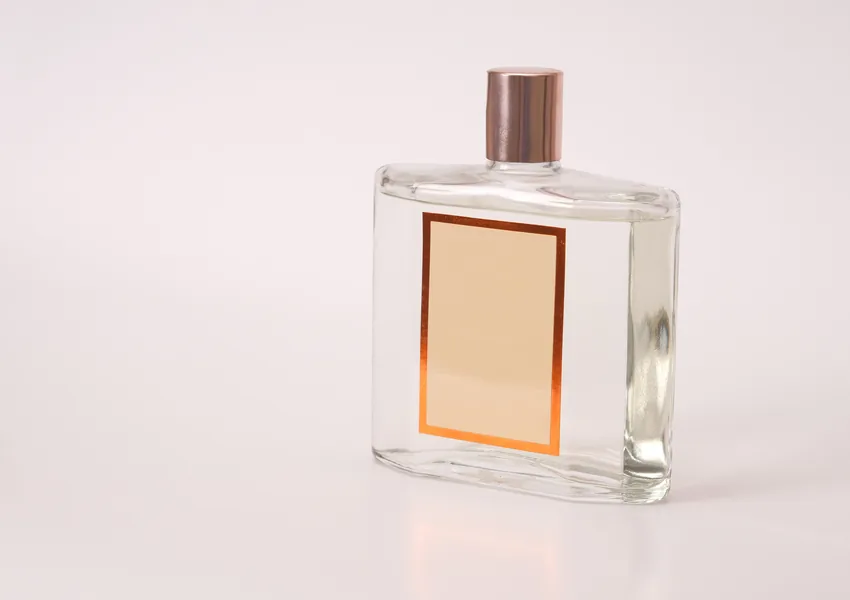
A perfume line can look simple from the outside: one bottle, one scent name, one carton on a shelf. Behind it, the buying decision is rarely simple. A salon chain may want a small private label perfume for loyal customers. A fashion retailer may need a seasonal fragrance that can reach stores before a campaign date. A distributor may already have a scent sample and only needs stable production. That is where the perfume OEM ODM choice starts to matter. It is not just a factory term. It decides who controls the formula, how much sampling is needed, whether a bottle can be customized, and how much risk sits in the first order. For a buyer comparing OEM perfume and ODM perfume, the right route should feel practical, not fashionable. It should match the budget, channel, timing, and level of control the brand truly needs.
What OEM and ODM Mean in Perfume Sourcing
The two terms often appear together in supplier profiles, but they lead to different conversations once sampling begins. One buyer may arrive with a finished reference scent, artwork, and a bottle idea. Another may only know the target customer and price band. Both can reach a finished product, but the work is divided in different ways.
OEM keeps control close to the brand
OEM usually starts with the buyer’s own direction. That may be a reference sample, an essential oil blend, a preferred alcohol concentration, bottle drawings, or finished label artwork. The manufacturer’s job is to turn that direction into repeatable production: proofing, formula confirmation, filling, capping, logo placement, outer packaging, and batch checks.
This route fits brands that care about ownership and consistency. A hotel group may want one signature scent for rooms, gift boxes, and retail counters. A boutique brand may insist on a cap weight or spray feel. Bottle capacity also changes the project. Common sizes such as 25ml, 30ml, 50ml, 75ml, and 100ml affect filling cost, carton layout, freight weight, and the way a product is displayed in store.
A custom perfume manufacturer should catch those points early. If the nozzle leaks during transport or the coating scratches after a few days in a handbag, the brand has a problem even when the scent smells right. OEM perfume gives more room to decide, but it also asks the buyer to make more decisions before production can move.
ODM reduces the blank-page problem
ODM starts with a tested base. The supplier brings formula options, bottle choices, packaging routes, and a sample path that has already been used in real production. The buyer still owns the brand and channel plan, but the early work is less empty. For many new sellers, this is the cleaner way to enter private label perfume without spending months on basic development. Good ODM does not mean buying a generic bottle and hoping the label does the rest. The buyer can still adjust the fragrance family, color direction, carton finish, label style, cap, and sales positioning. The difference is that the first sample is not built from a blank sheet. That saves time, and just as important, it exposes commercial limits sooner.
When OEM Fits Better for a Fragrance Brand
OEM is usually the better perfume business model when the buyer already knows what must not change. That fixed point may be the scent profile, a bottle mold, a visual identity, or a retail promise made to a chain buyer. In that kind of project, speed still matters, but control matters more. The buyer should be ready to define the formula direction, bottle type, spray head, cap material, outer box, logo position, label finish, and inspection standard. Glass bottle choice is not only about looks. Glass is chemically stable, gives a stronger shelf feel, and protects fragrance better than many plastic formats. Colored or coated glass can also help protect light-sensitive fragrance materials while supporting the brand’s design language.
Category references help when the brief is still being sharpened. A buyer working on woods, amber, musk, or oud directions may compare the mood of Meiqi’s men’s perfume range. A brand planning floral, fruity, or softer daily scents may find the ladies’ perfume category more useful as a starting point. The final OEM perfume does not need to copy either route. References simply make the first sample discussion less vague.
OEM also suits orders where packaging has to answer to a specific channel. Travel retail may care about carton strength and barcode placement. Boutique shelves may care about cap weight, atomization, and the small details customers touch. Regional distributors may care more about mixed carton efficiency and repeat-order stability. None of those points is glamorous. All of them can decide whether a second order happens.
When ODM Is the Smarter Route
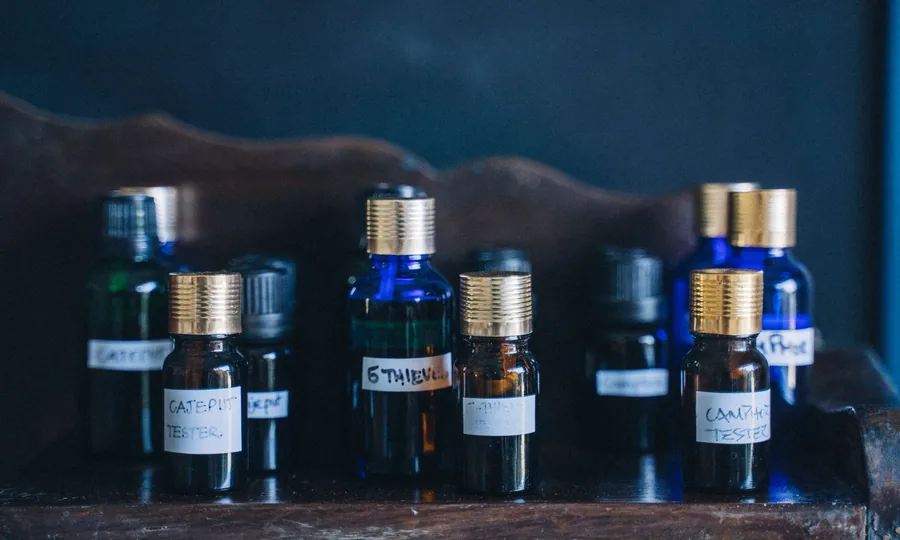
ODM is easy to underestimate because it sounds less exclusive. In practice, it can be the more sensible commercial route. Many buyers are not short of ideas. They are short of tested formulas, packaging coordination, and a supplier who can help the first order avoid obvious mistakes before money is locked into stock.
Private label perfume moves faster with a ready base
For a new seller, ODM perfume can shorten the distance between concept and shelf. A ready base may include fragrance families, bottle sizes, packaging structures, and proofing steps that the factory already knows how to run. The buyer can spend more time on market fit: price, customer group, launch channel, and whether the first collection should be narrow or broad.
That does not remove the need for proper checks. Perfume is sensitive to light, heat, alcohol compatibility, and sealing quality. The bottle, nozzle, gasket, coating, printing, and carton all influence how the product arrives after warehouse storage and transport. A mature ODM base helps, but the buyer should still test scent stability, color change, spray atomization, packaging fit, and label durability before placing a larger order.
This is where supplier depth begins to matter. Meiqi’s production support includes a 20,000-square-meter GMPC-certified base in Yiwu, more than 3,000 formula references, ISO9001 and EU REACH-related experience, dust-free workshop conditions, and quality control across raw materials, filling, packaging, and finished goods. Buyers comparing perfume OEM ODM suppliers should look past the first pleasant sample and ask how the repeat order will be controlled.
The perfume collection also shows why ODM can be useful for range planning. One buyer may want a fresh daily scent in a small trial size. Another may need amber, musk, or oud notes for Middle East channels. A third may want a 50ml hero item and a smaller version for promotion. These are not only scent choices. They affect carton size, MOQ, filling schedule, and cash tied up in inventory.
How to Make the Final Choice Before Sampling
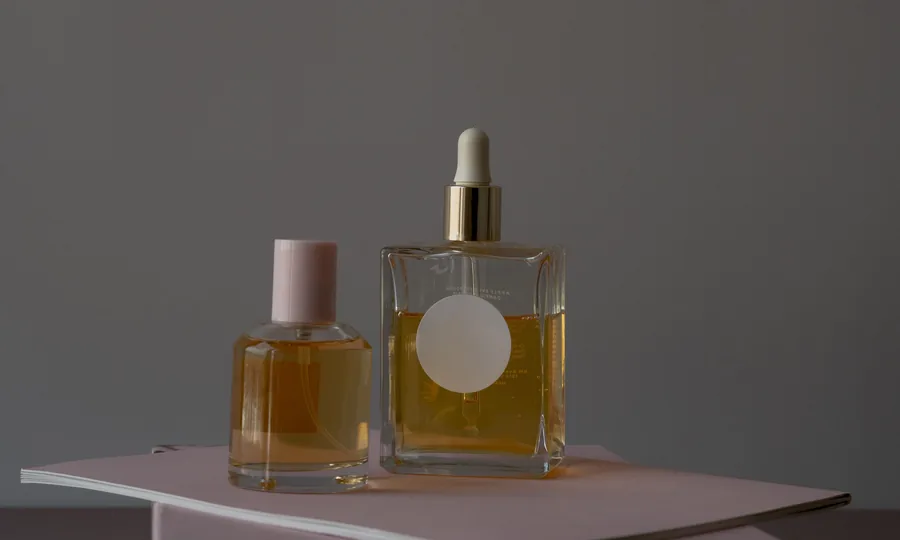
Before requesting samples, the buyer should write down what is fixed and what can move. If the scent profile, bottle mold, cap weight, carton artwork, and formula ownership are already part of the brand identity, OEM perfume is usually the cleaner route. If the goal is to test a credible launch range with less early development pressure, ODM perfume often makes more sense.
A practical checklist is enough for the first conversation: target channel, price band, MOQ, bottle size, fragrance family, formula ownership, packaging finish, sample timing, and repeat-order controls. A capable custom perfume manufacturer should be able to talk through those points with production detail, not just polite sales language. It also helps to ask how samples are approved, how logo confirmation is handled, and what happens if the first carton test fails.
For buyers still comparing models, Meiqi gives a broader view of the company’s perfume and cosmetics manufacturing work, while the contact page is the better place to discuss ODM details, sample direction, low MOQ questions, or customized packaging. The important thing is to decide the business model before judging only by the first scent strip. A good sample is useful. A model that fits the order is safer.
Conclusion
OEM is the stronger choice when formula control, bottle ownership, and a distinct brand asset matter most. ODM is often better when the buyer needs a faster private label perfume launch with less early risk. Many brands start with ODM, read sales feedback, then move into OEM once the market is clearer. For sample direction or customized packaging, the Meiqi team can be reached at 932218963@qq.com. The right perfume business model should match budget, MOQ, timing, packaging cost, and repeat-order stability, not only the first scent that smells good.