
A brand can know its audience and still have no finished perfume plan. The team may want a TikTok Arabic perfume, a women’s gift perfume, or a woody cologne line, yet the right scent family, bottle, capacity, and set structure are still open questions. Choosing an ODM partner at this stage can turn a broad commercial idea into something that can be sampled, tested, and produced.
Is ODM the Right Route for Your Perfume Brand?
ODM suits a buyer who has a brand direction but not a complete product solution. The target consumer may be clear, the price band may be roughly planned, and the fragrance mood may be known. The exact concentration, bottle finish, gift-set format, and scent balance may still need development.
OEM is usually more direct when the buyer already has the fragrance, bottle, label, and channel plan. ODM begins earlier. It asks the supplier to help decide what the product should be, then turn that decision into a stable formula and a repeatable production route. That input can prevent a wrong scent choice, but it creates more decisions before launch.
In practical terms, perfume ODM development connects market positioning with concept design, formula development, sample production, and mass production. That makes ODM different from simply ordering a ready-made bottle with a private label. The manufacturer is expected to contribute product judgment before the order reaches the filling line.
What Does Perfume ODM Actually Include?
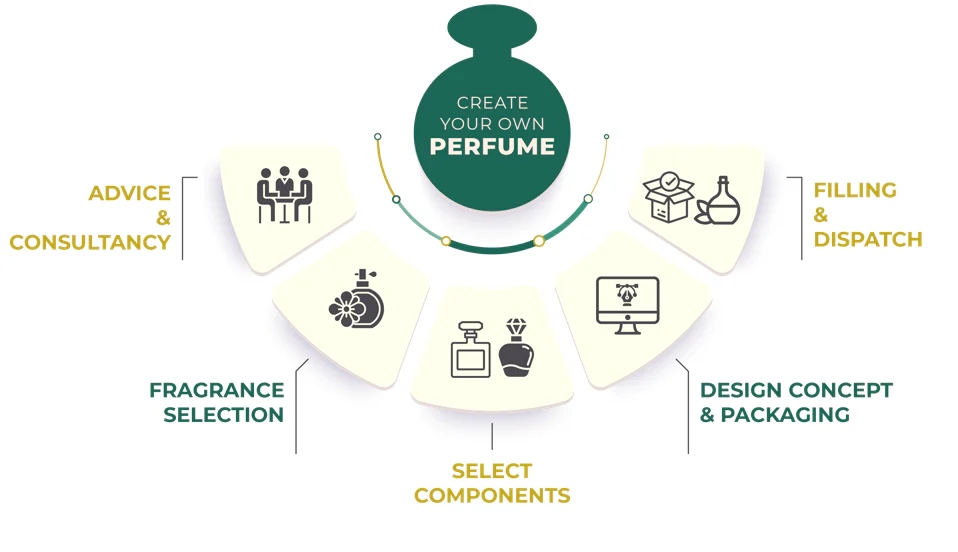
A complete perfume ODM project can cover brand positioning, target-market discussion, concept design, fragrance direction, formula development, sample production, feedback, bottle and capacity selection, packaging coordination, trial production, mass production, quality checks, and delivery. The order of these stages matters because a change in fragrance strength may affect cost, bottle choice, label wording, and the price of the finished set.
In short, perfume ODM is a path from concept design and formula development through sample production to mass production. It also highlights the role of raw-material selection, process control, and product stability. Buyers should ask which of these steps the supplier handles directly and which are passed to another party.
Judge the Supplier’s R&D and Market Sense Before Sampling
Can the Supplier Turn a Broad Brief into a Product?
Ask how the supplier would interpret a request for a young woman’s fragrance. Does that mean bright fruit, soft floral musk, clean skin scent, or a sweeter gift profile? A request for a premium woody fragrance needs the same treatment. Dry cedar, creamy sandalwood, amber woods, and heavy oud create very different products and price expectations.
The supplier should ask about target age, channel, climate, price point, pack size, and the role of the fragrance in the range. For a TikTok Arabic perfume, the bottle and gift presentation may matter almost as much as the scent. For a woody cologne line, drydown, repeat wear, and male-channel positioning may carry more weight.
A buyer can compare this type of market discussion with the range shown in Meiqi‘s perfume product categories rather than judging a supplier only by a catalogue image. The useful question is whether the team can explain why a proposed scent, bottle, and price fit the intended customer.
Check Formula Development, Not Just Trend Language
Before sampling, ask for the development logic. Confirm the fragrance family, oil concentration range, top-middle-base structure, raw-material direction, aging plan, and the method used to record sample feedback. Words such as premium, viral, modern, or youthful sound attractive but do not define a formula.
A capable ODM team should be able to turn comments into specific changes. If the opening is too sweet, the change should be tied to materials or proportions. If the woody base is too heavy, the next sample should have a defined adjustment rather than a new interpretation of the whole brief. This is where technical communication affects both cost and timing.
Clarify Formula Ownership and Exclusivity Early
ODM often combines a supplier’s existing knowledge with new work for a brand. A manufacturer may start from a mature formula, use familiar fragrance modules, or develop a new version for a specific market. None of those routes is automatically wrong. The ownership terms need to be clear before the brand invests in packaging and promotion.
Ask whether the formula is newly developed or adapted, whether another customer can use the same or a similar scent, and whether exclusivity covers a country, a region, a channel, or the whole market. If an exclusive formula is required, confirm the extra fee, minimum order quantity, term, renewal condition, and what happens if the product is discontinued.
For a market-specific fragrance concept, a buyer can also compare the positioning of a popular Arabic women’s perfume line with the intended customer and exclusivity plan.
Test Market Fit Before Locking the ODM Product Line
A new brand does not need to develop every possible scent at once. Start with one or two products tied to a clear use case. A TikTok Arabic perfume may need a rich profile, a recognizable bottle, and a gift-ready format. A woman’s gift perfume may work better with floral, fruity, soft musk, and an accessible size. A woody cologne line may need dry woods, amber, musk, and a more restrained presentation. For a male-oriented collection, men’s perfume positioning can provide a useful category reference while the ODM brief is being narrowed.
Check whether the target buyer can understand the scent, accept the planned price, recognize the product in short-form content, and use it comfortably in the local climate. Market fit also includes the bottle, set structure, and replenishment plan. A beautiful first sample is not enough if the formula is expensive to repeat or the packaging is difficult to ship.
Conclusion
ODM perfume customization works best when a brand has a clear market direction but needs help defining the actual product. The most important checks are not limited to scent selection. Buyers need to judge the supplier’s R&D and market sense, clarify formula ownership and exclusivity, and set a realistic development schedule with recorded sample revisions.
When those points are settled early, ODM can turn a broad idea into a fragrance line that is easier to sample, price, launch, and reorder. Meiqi‘s perfume development and customization support can be discussed within that process, with each formula, sample, and market decision tied to a specific brand need.
FAQ
Q1: When should buyers choose ODM instead of OEM for perfume?
A1: ODM is more suitable when the brand has a target market or scent direction but still needs help with concept design, formula development, samples, packaging choices, and product structure. OEM is more direct when those decisions are already fixed.
Q2: How can buyers confirm whether an ODM perfume formula is exclusive?
A2: Ask whether the formula is new or adapted, who may use it, where exclusivity applies, how long it lasts, and whether an extra fee or MOQ applies. Put the agreed ownership and sharing limits in writing.
Q3: How many sample revisions should be included in an ODM perfume project?
A3: The number depends on the formula route and complexity. Buyers should confirm the included rounds, response time, adjustment fees, and approval method before sampling starts. Each revision should carry a version number and written feedback.
Q4: What should be confirmed before an ODM perfume moves to mass production?
A4: Confirm the final formula, concentration, approved sample, ownership terms, bottle and capacity, package direction, quantity, MOQ, inspection standard, production schedule, and how later batches will be matched to the approved version.