A customer may decide that a fragrance has disappeared when the bright opening fades, even though the drydown remains. That gap between first impression and later wear can create product complaints. A bigger number on a carton will not solve it. A useful long-lasting fragrance strategy joins formula direction, application guidance, storage, packaging, and realistic sales copy, then checks that the bottle delivers the approved experience after filling, transport, and shelf time.
Build Perfume Longevity Into The Formula Brief
Perfume longevity begins before a consumer touches the atomizer. Concentration, the carrier system, the balance of notes, and the way the liquid settles all affect how a scent develops. Those factors should guide a product brief, but they do not justify one universal wear-time promise. Skin, climate, activity, and individual scent perception still change the outcome.
Use Concentration As A Direction, Not A Guarantee
Meiqi places Eau de Parfum at around 15% to 20% and Eau de Toilette at around 5% to 10%, with lighter colognes below that range. These labels help set expectations about intensity and reapplication. They do not replace a finished fragrance test, since a fresh citrus profile and a dense woody profile can behave differently at the same category label.
A private-label brief should record concentration class, scent character, climate, sales channel, and claim language together. That is more useful than asking a factory to simply make perfume last. An everyday product may need a controlled reapplication message rather than an evening-scent promise. Judge the whole wear curve, not only the first minutes.
Let The Drydown Carry The Product Story
Fragrance unfolds in top, middle, and base notes. The opening carries volatile citrus or aromatic herbs; heart notes follow, while base notes can remain for hours. It identifies woody, amber, and musk directions as common foundations. A long-lasting perfume need not be dark or heavy, but its drydown should still feel true to the brand after the opening moves on.
For example, a product such as oud wood perfume can help a buyer discuss a woody position with a manufacturer, while a lighter style may need a different expectation statement. The development team should compare blotter, skin, and fabric observations during sampling. A result that feels balanced in a lab is not automatically the right experience for warm-climate retail or a busy duty-free channel.
Give Consumers Better Perfume Application Tips
Good consumer guidance can narrow the gap between a brand’s intended fragrance experience and what happens after purchase. It should be short, safe, and practical. The aim is not to teach every customer a ritual. It is to prevent the common use patterns that make even a well-made scent seem weak or inconsistent.
Choose Application Areas With Care
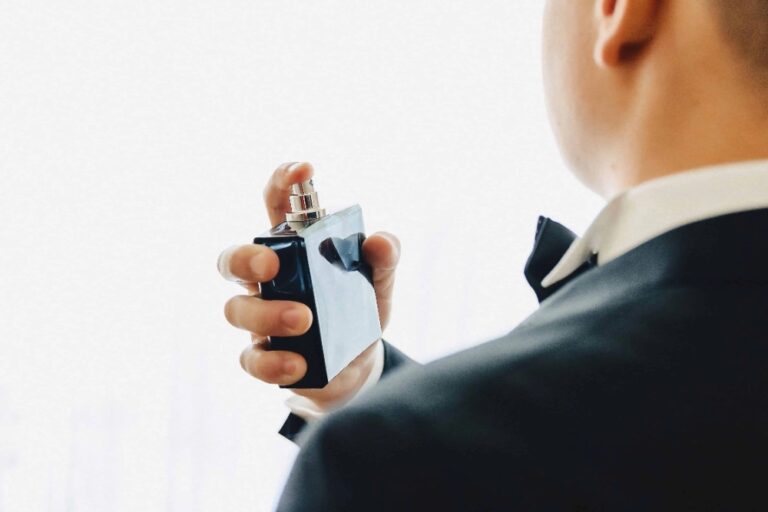
Meiqi recommends testing fragrance on the wrist and notes that warmth and circulation influence skin development. It also identifies wrists, behind the ears, the neck, and inner elbows as common points. Useful perfume application tips are simple: apply a modest amount to clean skin, let it settle, and avoid rubbing the wrists together.
Guidance needs a safety boundary. First-time users, especially those with sensitive skin, should patch test a small amount on the inner wrist or behind the ear and stop if discomfort appears. Product copy should not promise suitability for every skin type or imply medical protection.
Layering Should Support The Scent, Not Overload It
Layering can make perfume longevity feel more consistent when treated as a compatible routine, not a stronger-is-better trick. A neutral body-care base or products from the same scent family can give a smoother start. Strongly scented lotions, hair products, and deodorants may compete with the intended drydown.
For buyers, that detail belongs in retail training. A fragrance counter should explain the difference between a fresh top note and a later base, rather than encouraging excessive spraying. When teams know how a product changes through the day, they are less likely to sell a short, bright opening as though it were the entire long-lasting fragrance experience.
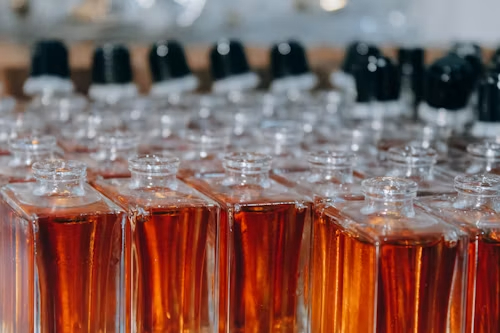
Protect Long–Lasting Perfume After Filling
A good formula can lose its intended character when storage and packaging are treated as separate matters. Light, heat, moisture, air entry, an unsuitable seal, or an unstable spray component can all affect the way a fragrance reaches the customer. This is why perfume storage tips and factory controls belong in the same commercial conversation.
Write Storage Advice That Customers Can Follow
It advises storing perfume in a cool, dry, dark place and tightening the cap after use. Light, heat, and moisture can alter the aroma, while air entry can contribute to evaporation. A drawer or cabinet is easier to follow than a vague instruction to store carefully. Avoid presenting refrigeration as standard advice without product-specific guidance.
These perfume storage tips should appear on product pages, retailer briefs, and after-sales material in the same language. A 100 ml format such as Middle Eastern cologne needs a cap and sprayer system that supports normal repeated use, but the brand should still tell customers to close it securely and keep it away from direct sunlight. Consumer care and package performance work together.
Test The Bottle With The Actual Liquid
Perfume packaging protects the product as well as presenting it. It describes temperature and light stability tests, plus checks for filling accuracy, sealing, atomization, leakage, cap fit, odor consistency, volatile substances, and compatibility between the liquid and package. These checks matter when a cap, pump, coating, or bottle supplier changes after approval.
A bottle can look unchanged but spray differently, leak during shipment, or lose scent clarity over time. Approve a filled-pack sample and define storage and transport conditions for review. The goal is not identical wear on every person but delivery of the approved fragrance in a stable form.
Set Realistic Longevity Claims With A Manufacturing Partner
The commercial risk is often an oversized promise. Claims about hours of wear should be based on the approved finished product and relevant test method, then worded for a real customer rather than a laboratory sheet. This leaves room for normal variation.
Sample The Wear Experience Before Writing Copy
During development, compare opening, heart, and drydown on more than one wearer and in the final pack. Note scent changes, spray consistency, and storage effects. The Meiqi production process places sample confirmation before packaging-material procurement and container testing, which matters because a revised bottle, seal, or pump can change the finished experience.
The best copy is precise without pretending to be clinical. A brand may describe a woody or amber drydown, a fuller concentration category, or an all-day profile where its review supports that wording. Avoid a fixed number that ignores skin, heat, and usage. Agree on the test plan before printing cartons.
Keep Batch Control And Consumer Support Connected
A reliable manufacturer can connect formula discussion, sample proofing, packaging checks, filling, and inspection so the approved product is not lost between teams. Meiqi’s perfume OEM and ODM support describes that route. The practical question is whether the factory retains the approved sample, documents components, and flags changes before mass production.
Meiqi also provides perfume manufacturing support for brands that need a clear handoff between scent direction and production. A buyer can involve Meiqi once the formula brief, filled-pack sample, storage instructions, and claim boundaries are ready. That gives the sales team a more credible story than a universal promise.
Conclusion
To make perfume last in a credible way, build the plan around formula direction, proper application, storage, packaging protection, and careful claim language. A long-lasting fragrance does not need a universal promise. It needs a drydown that fits the brief and a finished pack that protects it through sale and use. For samples, private-label development, or a longevity review, contact saleyang@yongqigood.com.