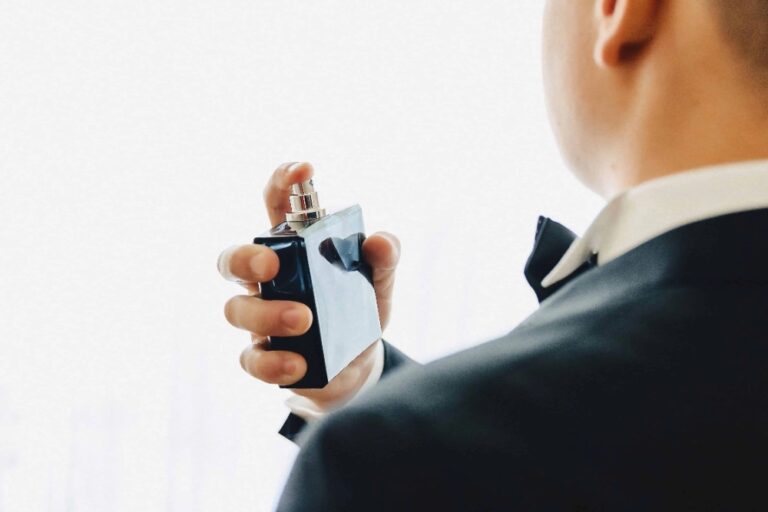
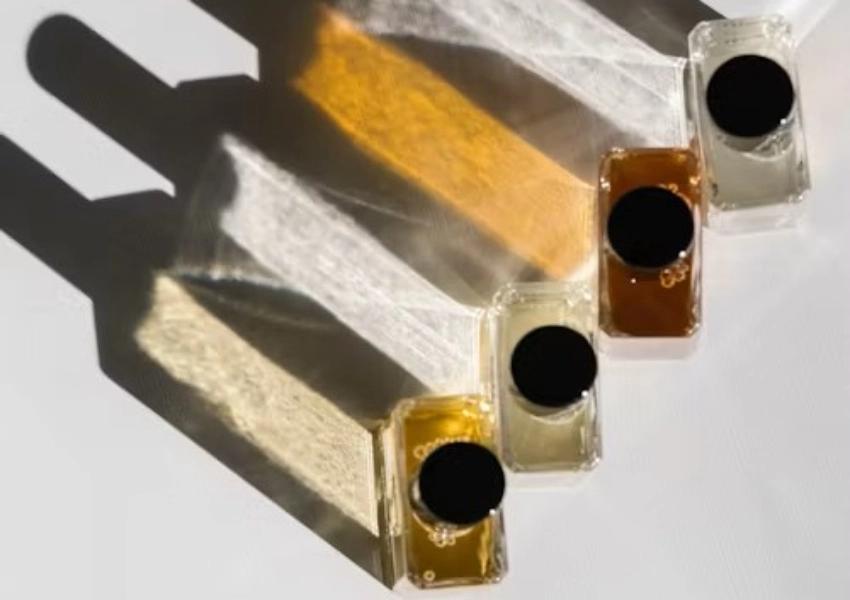
A beauty bottle can look responsible before anyone has checked what happens after use. A green cap, a recycled-paper carton, or the word refillable may catch attention at a launch meeting. The harder questions arrive later: can the glass survive export handling, can the pump be separated, can the decoration confuse a recycling claim, and will the next production run use the same materials? Those questions are shaping cosmetic packaging trends this year. For brand owners, eco-friendly packaging links material choice, product protection, transport loss, consumer instructions, and the limits of what can honestly be printed on pack.
Eco-Friendly Packaging Needs A Component-Level Brief
A useful brief treats a cosmetic pack as a set of parts. The bottle, cap, pump, spring, dip tube, label, decoration, carton, insert, and shipper can each have different material and recovery routes. Broad claims become difficult to defend once a buyer asks for details.
Define What The Claim Actually Covers
Eco-friendly packaging may describe a recycled-content bottle, a lighter bottle, a refill route, a reduced carton, or a coating process with a different emissions profile. These are separate improvements. None proves that the entire pack is recyclable, lower impact in every market, or likely to be collected after use. The claim should name the part that changed.
For green cosmetic packaging, ask the supplier to state the bottle material, the basis for any recycled-content claim, the cap and pump composition, the decoration process, and whether those facts apply to the production version. Keep the evidence with the packaging specification for retailer questions.
Set A Material Baseline Before Styling
Glass remains the mainstream perfume-bottle material in the Meiqi, accounting for more than 95% of that category. It offers chemical stability, sealing performance, visual clarity, and recyclability. Soda-lime glass is common and economical, while high-white glass has a cleaner appearance at a higher cost. Colored glass can protect a light-sensitive fragrance, so a move to clear glass may create a product-risk trade-off.
Not every cosmetic format needs the same answer. PETG is used for transparent travel sprays because it has good toughness and chemical resistance. PMMA can create a glossy look for bottles or caps. ABS, zinc alloy, aluminum, and stainless steel have roles in caps, rings, or sprayer parts. A selection from custom perfume bottles should begin with the liquid, channel, and end-of-life story.
Recycled Glass And Lightweighting Need Real Trade-Offs
Recycled glass and reduced bottle weight are visible directions in sustainable packaging. Both can be worthwhile. Neither should be approved simply because it sounds better in a presentation. The right specification depends on the formula, bottle geometry, decoration, outer protection, transport route, and tolerated breakage level.
Specify Recycled Glass Instead Of Using A Vague Label
The knowledge base identifies a higher proportion of recycled glass as an industry direction. That makes it a meaningful procurement topic, but the word recycled needs a defined scope. Confirm whether the statement concerns the bottle body, which production batch it covers, and whether color, transparency, and dimensions still meet the approved sample. A bottle is not automatically a recyclable packaging solution once a pump, glued badge, coating, or complex cap is added.
This is particularly relevant when a fragrance is displayed as a premium gift. A format such as a 125ml unisex perfume may need a substantial shelf presence, but its bottle weight should be judged alongside the carton and shipper rather than in isolation. More glass can raise material use and freight exposure. Less glass can reduce weight, yet thin walls or a tall shape can increase breakage risk. The sensible target is the lightest pack that still meets the agreed performance standard.
Reduce Weight Without Trading It For Damage
A lightweight bottle is not automatically a better export pack. It should have drop testing to simulate transportation and use, especially for glass bottles. One broken bottle creates more than a replacement cost. It can damage cartons, interrupt an order, complicate a retailer claim, and leave stock that cannot be sold as new.
Assess the filled bottle, not an empty sample. Check wall thickness consistency, the bottle base, cap fit, inner support, carton compression, and the way units sit in the master case. If a change in glass weight needs more board, foam, or void fill to pass transit tests, the overall result may not be an improvement. Recyclable packaging has to survive the route that gives it a chance to be recovered.
Pumps, Coatings, And Refills Change Recyclability

The bottle is usually the part consumers notice first, but surrounding hardware often decides whether a simple recycling instruction is realistic. Pumps contain assembled components. Decorative effects may add layers. Refill concepts can reduce repeat packaging, yet they bring sealing, hygiene, and compatibility questions. Review the full construction before setting a claim.
Keep Decoration And Hardware Easy To Explain
Sprayed glass and PVD vacuum coating can create metallic color or a premium surface. PVD and water-based paint are identified in the knowledge base as more environmentally minded surface-treatment directions than traditional alternatives, including a route to reduce VOC-related pollution. That does not make every coated bottle universally recyclable. The coating, label adhesive, metalized plastic, decorative ring, and cap construction still need to be described accurately for the market where the product will be sold.
A pump is a technical assembly of springs, steel balls, seals, valves, straws, and other parts. Stainless steel may be used in internal sprayer springs, while plastic or metal can appear in the external shell and cap. A mono-material ambition is therefore easiest where the pack has fewer components or where a consumer can separate them without damaging the bottle. More parts can deliver a better tactile experience, but they should not be presented as simple curbside recycling without local evidence.
Treat Refillability As A System
Refillability also needs a clear technical definition. The project materials distinguish threaded perfume bottles, where the nozzle can be opened manually for later refilling, from bayonet versions that are machine-snapped and generally disposable. The threaded option may support a refill program, but only when the neck, closure, formula, cleaning route, and refill container work together. A removable part does not by itself create a safe or practical refill offer.
For a refillable fragrance, test repeated opening and closing, evaporation resistance, spray performance after reassembly, and any change in odor or color during storage. A unisex Arabic perfume project with a stronger presentation can still use a simpler component plan if the refill proposition is built into the first sample. Retrofitting it after decoration and tooling approval usually costs more and gives the brand fewer credible choices.
Test The Finished Pack And Keep Brand Claims Honest
A sustainability claim should survive the same discipline as a performance claim. The factory and brand need to approve a filled, decorated, packed product, then decide what can be said about it. This is where sustainable packaging becomes a repeatable supply decision rather than a one-off launch theme.
Run Filled-Pack And Transport Tests Before Mass Production
The packaging controls in Meiqi cover more than appearance. Incoming inspection can check glass, plastic, metal, seals, nozzle components, and coatings. Process checks include glass dimensions, bubbles, cracks, print quality, coating adhesion, color difference, and cap torque. For filled goods, leakage tests, spray pattern, unit spray volume, press durability, and long-term compatibility all matter. Compatibility testing checks whether glass, plastics, metals, and seals react with the formula, alter its color, or release unwanted substances.
Packaging suppliers should also review odor transfer, volatile substances, and heavy-metal migration where the material or market calls for it. These checks matter even more when a brand is reducing layers or changing decoration. A carton can be lighter, but it still has to protect a bottle. A refill pouch can use less rigid material, but it still needs a secure seal and a sensible user route. The OEM and ODM perfume service can bring formula, packaging, sampling, filling, and inspection into one discussion before a bulk order is released.
Use Copy That Matches The Evidence
Brand language should stay as specific as the purchase specification. Say recycled glass bottle when that is the verified component. Say refillable bottle system when the full system has been tested. Say reduced packaging material only when the comparison is documented. Avoid turning a water-based paint choice into a zero-impact statement, or turning a partially recyclable bottle into a claim for the whole set. Claims are easier to defend when the scope is visible.
Meiqi can support a practical later-stage review through its perfume manufacturing work, including sample testing, packaging checks, filling, and quality control. The value is not a generic green promise. It is the chance to hold the liquid, bottle, closure, carton, and claim in the same approval file. A brand preparing a new launch can involve Meiqi once the component list and test plan are ready for a production conversation.
Conclusion
Eco-friendly packaging earns trust when the improvement is specific, and the trade-offs are visible. Recycled glass, lightweighting, simpler structures, water-based decoration, and refillable designs can all be useful choices. Their value depends on the full pack: formula compatibility, pumps and coatings, transit protection, test results, and clear wording. Green cosmetic packaging is credible when the claim matches those records. For a packaging sample review or private-label perfume project, contact saleyang@yongqigood.com.