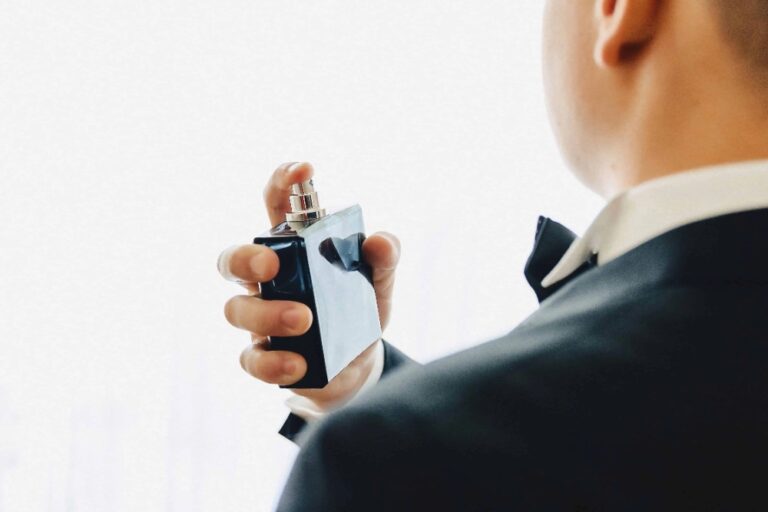

A useful blind comparison removes the easiest packaging cues and controls the application. Someone outside the review can code the vials; each reviewer then writes an independent note before seeing the sample identity. Compare those observations with a retained reference and the buyer’s brief, not with memory of the last meeting.
When the notes say “brighter,” record when the reviewer noticed it. An opening impression and a dry-down impression lead to different revision requests. The sample code and review stage turn a personal description into something the perfumer can compare with the next version.
Name the decision before selecting a test. Choosing a fragrance direction, checking a requested edit and reviewing the dry-down call for different comparisons. Write down the target attributes first; otherwise, reviewers may agree on a favourite without establishing whether it fits the product.
Which evaluation conditions should stay the same?
Keep the code key with the session organiser. On each review, use the agreed amount and surface, and wait the same interval before recording. If one sample is applied to skin and another to paper, mark the results separately; they answer different questions.
Before a reviewer begins, note anything that could affect the session: room scent, recent exposure to a strong odour or a long pause between samples. Give the team a reset between vials. Compare the new version and retained reference with the same method and timing, then log any unavoidable difference in conditions.
A bench comparison can check direction and consistency. A wear assessment asks how a scent changes on skin over time and may run as long as 72 hours. Choose the one that answers the brief’s question; do not treat a paper-strip review as evidence of all-day wear.
Review Meiqi’s fragrance development support and OEM and ODM cooperation when defining the next sample request.
How should a sample comparison follow time?
For each checkpoint, link the description to an attribute in the buyer brief. Note whether the opening, body or dry-down moved toward the target and when the team noticed it. This gives the perfumer a clear revision point without asking reviewers to guess ingredients.
Reveal sample identities only after independent notes
Use a one-page form: code, revision, date, reviewer, method and one note tied to the brief. Record the opening or dry-down being assessed. Reviewers can add detail where needed, but a long list of adjectives often leaves the project owner without a decision.
A reviewer might describe the opening as citrus or herbal, then use floral, woody or musky language later. These terms make the discussion easier to follow, but they do not predict a fixed sequence. Record the stage and time of each observation for that formula.
How does blind perfume testing separate preference from brief fit?
A reviewer’s favourite and the best match for the brief may be different samples. Record both judgements, then let the project owner decide which required attribute has priority. This preserves useful preference data without making it the product specification.
Keep both views when the team disagrees about the opening and dry-down. The project owner can decide which quality matters most to the intended product. Ask for a revision against that priority instead of blending two opposing directions into one vague request.
Meiqi’s development discussions can cover target customer, market, price position and scent direction. Buyers can use the brief to keep those considerations visible whether the project follows an OEM specification or needs ODM presentation and fragrance guidance. A popular sample still needs to suit the intended product—for instance, an office range may call for a quieter wear than reviewers personally prefer.

Which fragrance reference should anchor a revision?
Store the reference as directed and label its code and retention date. Check its condition before reusing it. If its scent has changed, record that and select a suitable reference for the comparison.
Ask what changed and whether the change moved the requested attribute. A new version can smell different without being closer to the brief. Log the requested edit, observed result and decision. Keep concurrent revisions in separate labelled sets; file names alone can let an unapproved sample be mistaken for the current one.
Production needs the final code and approved specification, not only the meeting’s verbal conclusion. Keep them together for component checks, process control and final review. If packaging compatibility or another condition remains open, label it as pending so a directional approval is not mistaken for release.
The Meiqi quality approach can frame the handover discussion. Discuss the product requirements before treating an open question as an accepted specification.
What should happen after reviewers disagree?
End the meeting with a decision that a colleague can act on: approve this direction, request a named change or gather more information. Add the sample code and any condition that remains open, then rank requested edits. A supplier should not have to infer which of several equally weighted comments matters first.
File notes by sample ID and project. That lets product, sourcing, quality and marketing colleagues pick up the decision after a hand-off. A few observations tied to a code are more useful than a long discussion that cannot be matched to a vial.
Complete the scent review while the vials are still coded. After identities are revealed, the team can assess bottle and packaging choices separately. This keeps the fragrance decision from being influenced by a presentation that is not part of the sensory brief.
Coded vials do not prevent fatigue or order effects. Change the presentation order when practical and collect notes before group discussion. If two versions smell alike to a reviewer, keep that result in the record rather than forcing a preference.
Keep preference and brief fit in separate fields. A reviewer may enjoy a rich evening scent while agreeing that the daytime range needs a fresher profile. That distinction gives the project owner a decision to rank instead of asking the supplier to average two different goals.
Base the next request on the reference and one observed change: preserve the opening, reduce late sweetness, or adjust another attribute the team recorded. The session is useful when it produces a specific next step, not just a general verdict.
Conclusion
At the end, file the sample code, decision and unresolved point together. That gives Meiqi a concrete brief for the next refinement or packaging discussion and lets the team resume without repeating the same comparison.
For another round, send Meiqi the reference sample ID, target customer and one decision still unresolved. Add the changes the team ranked highest. That keeps the next sample request anchored to the review rather than reopening the entire brief.