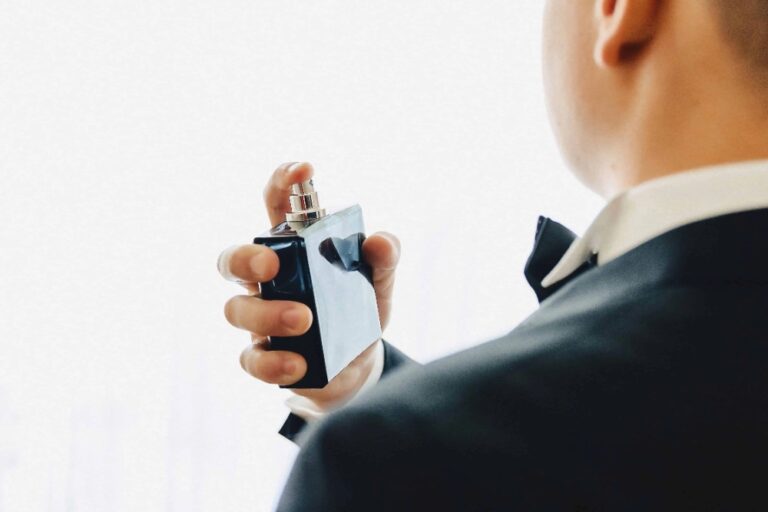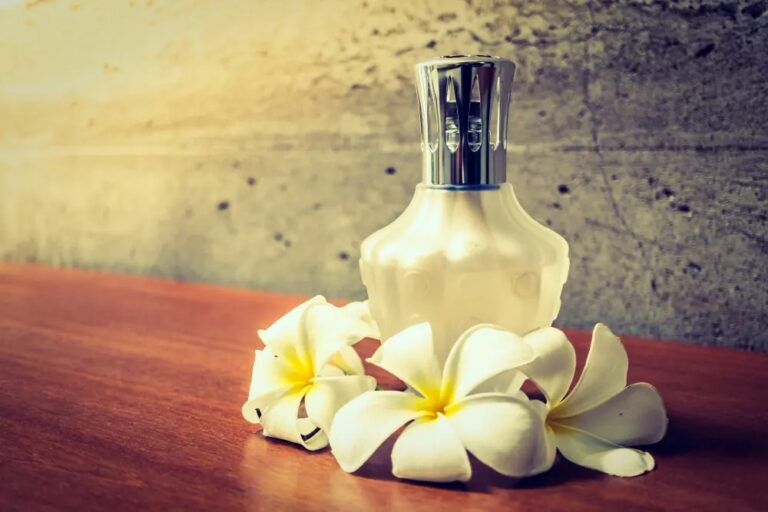
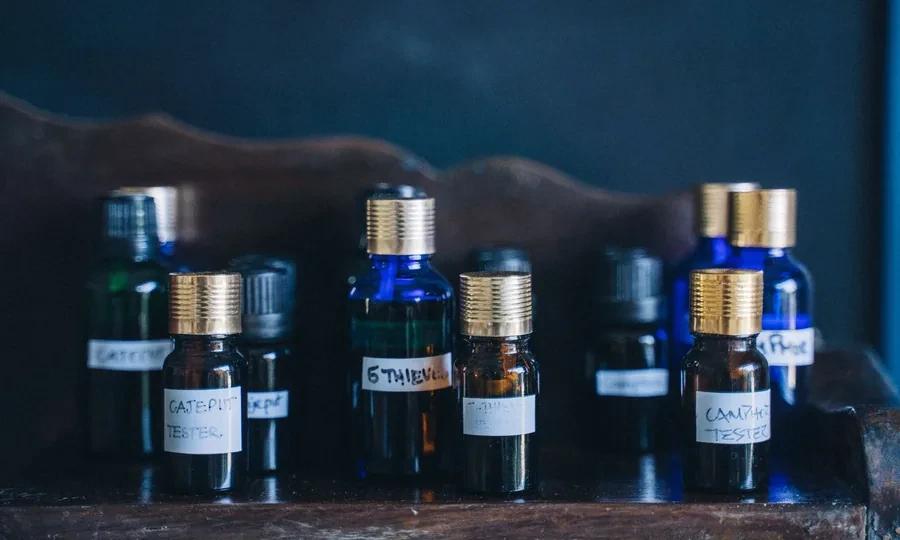
A perfume sample reaches the buyer’s desk, and three colleagues render their verdicts. One prefers a fresher scent, another wishes for more woody base and the third says that this bottle looks too expensive in its segment. None is necessarily wrong. They are mentally comparing various products. The first is a fragrance brief which provides the team with an initial common ground before any sampling of perfume takes place, as well, revisions solve for specific problems rather than follow whatever was discussed last in the meeting.
Which decisions should a fragrance brief settle first?
Focus on customer, occasion and the commercial parameters. A brief that pretends every question is already answered can confuse the manufacturer about what success actually looks like. An informative scent brief explains what would constitute success without claiming the brand has solved every technical problem.
Describe the wearer before choosing the notes
Meiqi, located in Yiwu, China, has been committed to fragrance products since 2014. Its OEM / ODM support begins with the target customer, market, price position and scent direction of its buyer. The bottle and packaging choices are planned around those specifications, as well the fragrance options and sampling. This links the whole conversation about scent back to what it is that this brand actually wants you to buy.
A woody scent can be characterised as an everyday office fragrance or statement evening wear, but each would evoke different decisions around impact and balance. Where they are going to wear the fragrance, how much it will cost and where do you sell your perfume? Decide whether the product must still work as an easy gift, or whether it can carry a complicated scent profile that only specialists may enjoy.
Separate requirements from preferences
In a quick-and-dirty brief, use three short labels: required preferred and undecided. Required items would be the launch market and production capacity. For example, dryness and woody might be called preferred. Cap Finish might cover undecided. This avoided the possibility of an off handed suggestion becoming understood as a specification. It makes it clear what still needs answering from those questions.
How can buyers describe a scent without writing a formula?
Custom fragrance development needs a direction, not a shopping list of fashionable ingredients. Describe the experience you want, then explain the references that help communicate it.
Explain what each reference contributes
Citrus notes can indicate a zesty, fresh opening aroma; aromatic herbs, often described as green or herbal. Drier or more smoothing woody materials, and warmer amber effects. Fragrance raw materials evaporate at different rates, so the opening heart and eventual dry-down will highlight varying notes of a fragrance composition. The transition from those impressions is what characterizes the scent.
Instead of “make a premium product” write: improve the zesty opening, further cut back sweetness and leave behind some dry woodiness. It can be useful to have a reference scent if you know what feature that stands out to you. Moreover, asking for its freshness is different than asking for its fullest self. Also add something you dislike: too sweet or powdery, too dense a base might matter more than another note that you like.
Describe lasting power as an evaluation goal
Never treat long-lasting as a complete specification. Indicate whether the issue is with perfume fullness, an identifiable odor in late day or light scent for proximity wear. Commit how you will assess samples before going public with performance assertions based on those observations. A brief should capture the target; testing then shows how close the samples come to it.
Which packaging and order details affect sampling?
The fragrance and its presentation share one budget and one launch plan. Bringing packaging into the discussion early helps the team identify conflicts while choices are still open.
Put the pack beside the scent direction
As part of its project support, Meiqi coordinates bottle shapes/caps/colors/printing/labels and decorative options. Inner trays, gift boxes or cartons and presentation techniques about the accepted product program are part of packaging coordination. These are the different parts that compose a completed fragrance, therefore the brief needs to convey something greater than just an outline of your bottle as you see in photographic references.
Indicate fill weight, preferred bottle style and closure for a sprayer, decoration and outer packaging when known. Reference images, and what all details will be needed. If you’ve only defined a visual direction, refer to it as concept and not an approved element. Then review Meiqi’s fragrance range so the shortlist for your custom project starts from a realistic set of options.
Give cost and quantity a clear scope
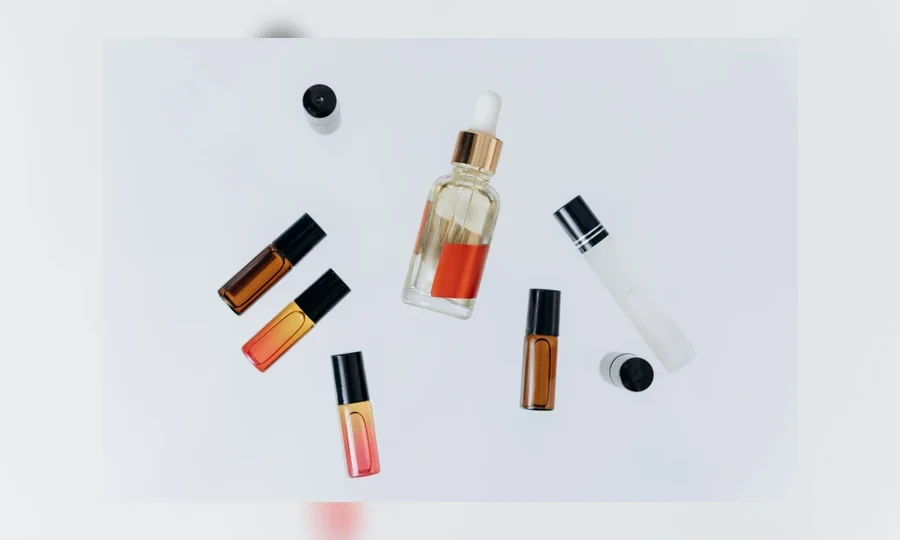
Order quantity affects production cost across blending, filling, capping and packing. A perfume OEM project also confirms the bottle, fragrance, logo printing or label and outer packaging. Fragrance preparation and packaging jobs can run at the same time, however. The production timetable is also dependent on what was produced or even how many units were created — you need different processes for bulk versus retail packs or certain individual components such as a dip tube may be generic vs specific per bottle type (scent; diffusing). Keep that link clear so each decision can be explained.
Indicate whether this target cost is for the liquid, decorated bottle, closure, carton and filling; or just part of that scope. State the intended order quantity and the destination. If either is provisional, flag it as such. A quote for an undecorated bottle cannot be compared directly with a decorated gift set when both are prepared only as unit price.
How do teams turn sample feedback into an approval?
Perfume sampling becomes easier to manage when each version answers a specific question. The brief should stay with the evaluation record rather than disappear after the first samples arrive.
Record what should stay as well as what should change
Tag each sample with a version identifier Review versions with a standard application process and log when you reviewed them. Does it help the dev team if we say: “Leave some opening; cut sweetness down stream”? “combines a few requests without specifying what comes first: Stronger, fresher and more luxurious. On one hand, “Stronger and fresher than more luxurious” addresses some of the requests but doesn’t say which is most important.
Before having a revision, ask the team what is the single most probable change that will bring this sample closer to fulfilling its brief. Prioritize them if there are multiple changes needed. Keep the previous notes so that the next review assesses whether the improvement had been achieved or not. This is an effective control on the development of custom fragrance, especially when marketing sales samples and pre-purchasing review samples.
Confirm the boundaries of approval
According to Meiqi, production was based on the approved sample and specifications from the buyer. It describes an established quality approach that involves inspection of the selected materials and packaging components prior to their use, scrutiny of filling/assembly /appearance and packing during production stages, final testing specifications at agreed terms before preparation for shipment. Hence to be more accurate, Approval has to recognize the reference sample and also its respective specification.
You can expand your comment to describe how those stages are applicable for the order you have with Meiqi OEM/ODM project support. Validate the universe of any revisions along with packaging approvals and requisite checks for signing off on a launch date It is the right time to have a talk with Meiqi about this fragrance brief on which you have already specified your target market, quantity, scent references and packaging priorities.
Conclusion
A fragrance brief earns its place by simplifying decisions. It links the buyer, scent direction, pack and commercial constraints before finally applying clear purpose to sampling perfume. Maintain specific requirements, keep open questions separate from approvals and make a note as to why each version is permitted to proceed. For a project discussion, email saleyang@yongqigood.com with your brief and the decisions that still need support.
FAQs
Q1: How detailed should a fragrance brief be before sampling starts?
A1: Include the intended customer, market, price position, scent direction, references, product format, packaging expectations and known quantity or timing constraints. Mark unresolved items as open questions.
Q2: Should reference perfumes be included in custom fragrance development?
A2: They can be helpful when you explain which qualities matter, such as a crisp opening or dry woody finish. Use them to communicate direction rather than request a copy of another product.
Q3: What should a brand approve before production?
A3: Identify the accepted sample version and confirm the accompanying product and packaging specifications. Ask the manufacturer to document any remaining testing, artwork or component approvals before release.