Fragrance drydown shows whether the scent that remains after the opening still matches your product promise. Buyers should compare the transition as well as the first spray, then use a consistent wear assessment to decide which differences matter for the intended customer.
A perfume does not present every ingredient with the same intensity at the same moment. The first spray gives an immediate impression, while later stages develop as volatile materials evaporate and the remaining composition interacts with skin, fabric, and the surrounding air. For a brand team, this means that a quick first sniff is not enough to approve a sample. A fragrance should be evaluated through a repeatable timeline that captures opening, transition, and drydown rather than only the first few minutes.
The timeline can help a buyer explain what feels right or wrong. A sample may open fresh but become too sweet after an hour. Another may seem quiet at first, then reveal the warmer character the brief requested. These are different development observations, not contradictions. When the team records when each impression appears, the perfumer or supplier receives more useful feedback than a general comment such as ‘make it stronger.’
Why can the opening mislead a formula review?
The opening is often shaped by materials that are readily perceived after spraying. Spray format, dosage, temperature, blotter condition, and distance from the evaluator can affect the first impression. A blotter used once at a consistent distance may give a different impression from a heavy application on a wrist. If two samples are compared, apply them using the same method and label them before smelling. Otherwise, variation in evaluation technique can be mistaken for a formula change.
Do not judge the entire fragrance from the opening alone. The top impression can establish freshness, brightness, or a particular direction, but it may not indicate the balance that remains later. If the opening feels harsh, record whether the effect softens quickly or remains. If it feels too weak, note the time and comparison method. This helps distinguish a brief opening effect from a persistent performance issue.
A perfume develops through an opening, a heart, and a lasting foundation. Citrus, light fruit, and fresh herbs are common opening directions. Floral or spicy impressions often shape the middle, while woods, musk, and amber can provide depth later in wear. These are descriptive roles rather than a promise that every formula changes at the same minute. The manufacturing process also separates blending, dilution, maturation, cooling, filtration, and filling. This reinforces the need to compare finished samples at an identified preparation stage, rather than an early blend against a completed product.
Review Meiqi’s scent development process and OEM/ODM fragrance refinement when defining the next sample request.
Track the transition as the heart develops
The transition is the period when the opening recedes and the central character becomes easier to assess. It may be smooth, abrupt, thin, or unexpectedly sweet depending on the formula and the evaluation setting. Reviewers should note what changes rather than trying to name every ingredient. For example, ‘the citrus impression fades quickly and the floral body arrives clearly’ describes an observable transition. A speculative ingredient attribution can confuse a brief when the team does not have analytical evidence.
Describe the transition before requesting a formula change
A useful evaluation sheet asks the reviewer to record intensity, character, balance, and any unwanted note at several defined checkpoints. The time intervals should fit the project; they do not need to be identical for every product. Use the same intervals when comparing revisions. If a revised sample changes the transition, the team can then explain whether the change moved the fragrance toward the brief or simply made it different.
Perfumers also work on transitions between layers. A buyer can like the top notes and the base notes independently yet dislike the route between them. For example, a bright start followed by a sudden heavy sweetness may miss a brief for a restrained everyday scent. Describe that change in sequence rather than calling the whole formula “too strong.”
Does the later wear suit the intended customer and setting?
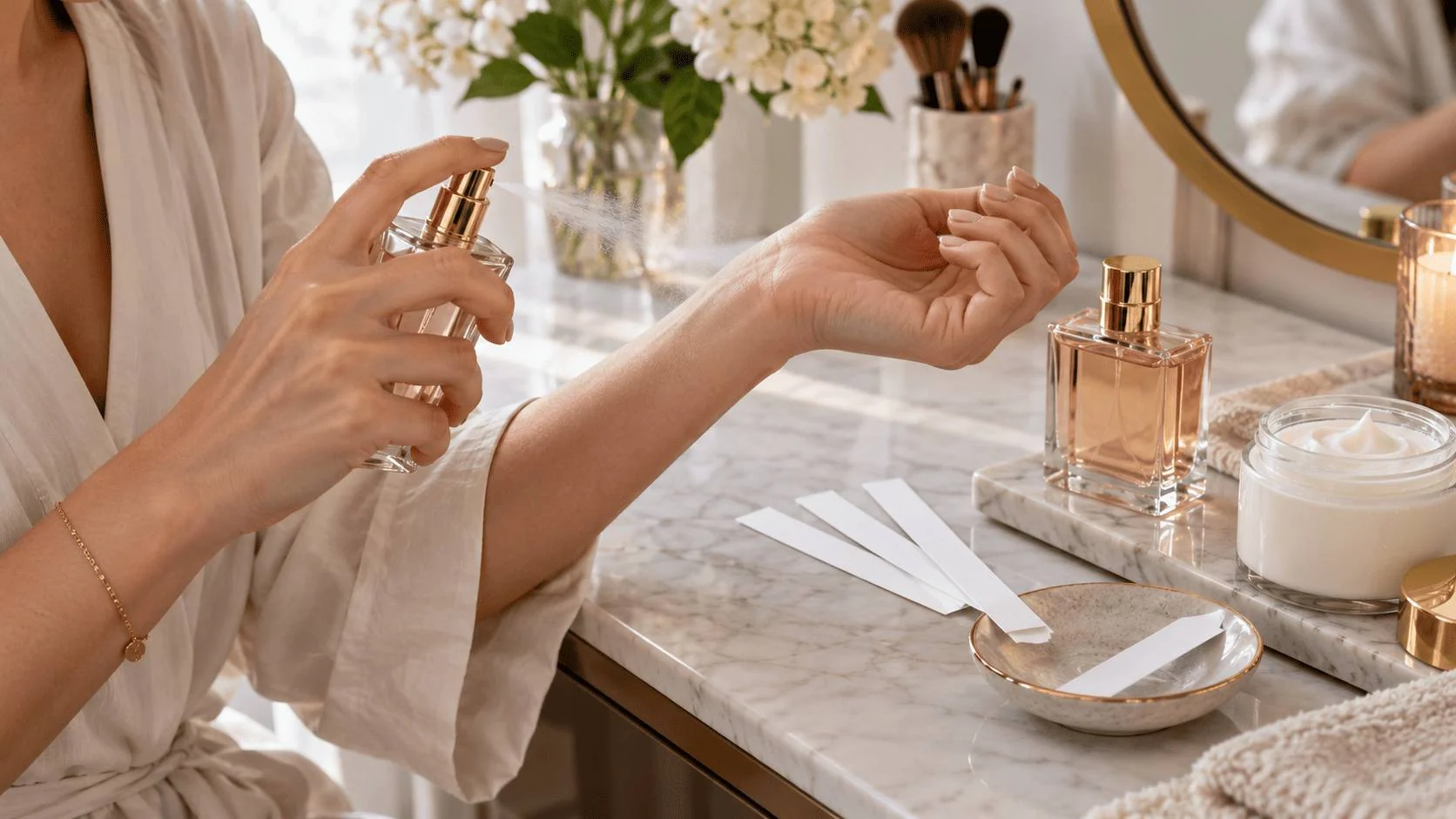
The drydown is the character that remains after the more volatile opening has faded. It can matter greatly for a fragrance intended to be worn for hours, but its evaluation is still affected by application, skin, temperature, and individual perception. A blotter can help compare samples under a controlled condition, while skin evaluation can reveal how the fragrance is experienced in use. Neither method alone answers every question, so agree on which is relevant to the decision.
Compare later wear with the product brief
Record whether the drydown remains recognizable, becomes too faint, or changes in an undesirable direction. If the fragrance will be marketed for a particular setting or duration, evaluate it in a way that reflects that use. Avoid turning a subjective impression into a guaranteed wear-time claim unless the product has substantiation for that claim. Development feedback can describe what the team experienced without promising that every user will have the same result.
Sensory evaluation and wear testing answer different questions. Sensory review asks whether the aroma matches the intended profile, while durability assessment follows the fragrance on skin over time. A paper-strip comparison and a wearer trial therefore serve different purposes. Keep their observations separate and label the test surface, instead of presenting the two as interchangeable evidence.
How can wear trials keep comparisons fair?
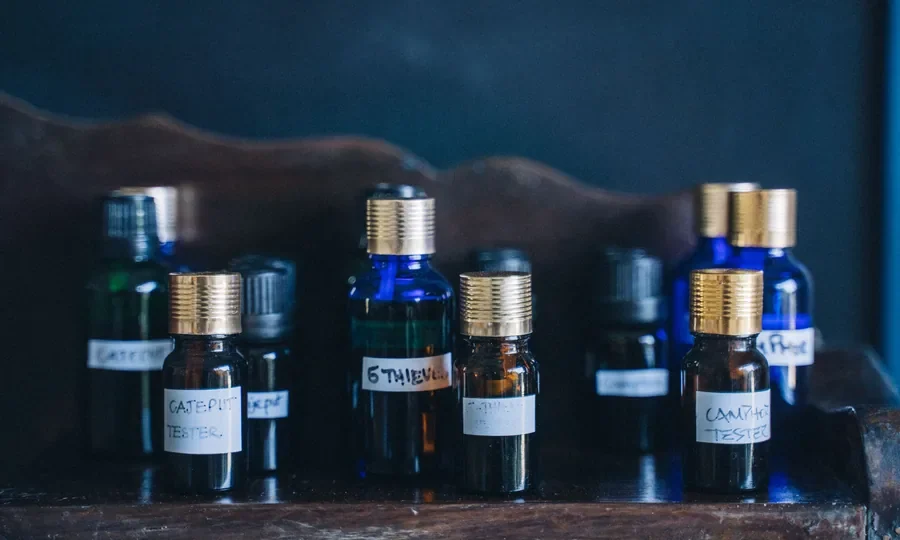
A repeatable comparison controls the basics: sample identity, application amount, evaluation surface, time, environment, and reviewer notes. When possible, compare a new revision with the current reference sample rather than relying on memory. Keep samples capped when not in use and avoid placing multiple open bottles close together, because surrounding odors can affect perception. If several reviewers participate, let them record an initial impression independently before discussing the sample as a group.
The goal is not to make creative evaluation mechanical. It is to remove avoidable noise so the team can identify meaningful differences. A simple log can capture the brief, sample code, date, evaluation method, time checkpoints, and comments. Keep each revision’s notes together. When the preferred sample is selected, document the reason and the aspects that must be preserved in the next stage, such as a softer opening or a more persistent base character.
In its OEM and ODM service, Meiqi coordinates the buyer’s target market, price position, scent direction, sampling, and refinement. That allows comments about heart notes to be connected with a practical product brief. The company’s approved-reference process then links the chosen sample with confirmed specifications before production. Ask for the accepted fragrance code to remain visible in that handover.
The approved samples and production controls can frame the handover discussion. prepare a fragrance wear assessment before treating an open question as an accepted specification.
Turn time-based observations into a precise revision brief
Useful feedback separates the target from the observation. State the target first, then explain what the current sample does. ‘We want a light, clean opening; this version begins sharply and the sharpness remains after the first checkpoint’ gives a clear direction. ‘It smells wrong’ does not. Use plain sensory language and avoid requesting several conflicting changes at once. If a team wants more freshness, less sweetness, and a stronger drydown, rank those priorities so the next revision can be evaluated against them.
Confirm that everyone is discussing the same sample and revision. A mismatch between a sample label and a comment can send development in the wrong direction. Include the date and reference code in feedback, and attach a photo of the label when practical. The supplier can then trace the comment to the correct sample. Before approval, read the final notes back against the brief and make sure the accepted sample meets the intended direction across the full evaluation period.
Consider a hypothetical buyer named Leila developing an office fragrance. She likes a lively first spray, but the later fragrance drydown feels sweeter than the brief intended. She records that the opening should remain, identifies the unwanted change later in wear, and asks for a comparison sample. The supplier receives a focused request rather than an instruction to make everything lighter.
A second reviewer may prefer the sweeter finish for evening use. That disagreement can reveal two possible products rather than a defective evaluation. Resolve the target occasion before combining their scores. A wear assessment should measure fit against the chosen use; a popularity vote without that context can select a scent that pleases reviewers but confuses the eventual range.
When reporting top notes, heart notes, and base notes, use familiar sensory words and say when you noticed them. Do not claim that a perceived woody note proves the presence or origin of a particular raw material. The scent description and the ingredient declaration answer different questions. Ask for relevant product documentation when composition or labeling matters to the order.
Finally, keep spray amount and evaluation timing comparable. A heavier application may change apparent intensity and persistence enough to obscure the difference you wanted to judge. If the format, concentration, or delivery system changes, decide whether the earlier comparison still applies. A fair test keeps the review centered on the fragrance rather than an uncontrolled application difference.
Conclusion
A useful drydown review explains how the fragrance moves, what remains, and whether that experience suits the intended wearer. Preserve the opening you want, describe the transition you dislike, and connect the requested adjustment with the target occasion. Meiqi’s sampling and refinement route gives buyers a way to discuss those choices together with packaging and production requirements. The next step is a focused sample request, followed by a comparable review of the revised direction.
Email Meiqi about a drydown revision with the sample reference, target market, and the decision your team needs to make next.
FAQs
Q1: How long should a reviewer wait before judging the drydown?
A1: Set review points that suit the product and compare them consistently across samples. Do not assume every fragrance develops on an identical minute-by-minute schedule.
Q2: Can a paper strip replace a skin wear assessment?
A2: No. A strip can support a controlled scent comparison, while a wear assessment follows the experience on skin. Label the test surface and keep the observations distinct.
Q3: What should I tell a perfumer if I like the opening but not the drydown?
A3: Record what you notice at each review point and describe the transition that misses the brief. State which qualities to retain and which to adjust rather than asking vaguely for a stronger or lighter scent.