قد يُعجب مُشتري العطور برائحةٍ ما من أول رشة، لكنه يتردد عند شرائها. قد تبدو الزجاجة خفيفةً جدًا، وقد ينفك غطاؤها بعد الشحن، وقد تتعرض العلبة اللامعة للخدش قبل وصولها إلى رفوف الهدايا. في عالم العطور، لا يُعدّ التغليف مجرد غلاف يُضاف في النهاية، بل هو جزءٌ لا يتجزأ من وعد المنتج. بالنسبة لفرق العلامات التجارية الخاصة، غالبًا ما يُحدد تصميم تغليف العطور المُخصص ما إذا كان المنتج جاهزًا للبيع بالتجزئة أم أنه مُصنّعٌ في المصنع فقط. تربط عملية تغليف العطور الجيدة بين تركيبة العطر، والزجاجة، والمضخة، والزخرفة، والكرتون، وخط التعبئة، قبل استثمار الأموال في القوالب أو الطباعة بكميات كبيرة.
ابدأ بالعطر والسوق ودور الزجاجة
الخطوة الأولى ليست اختيار أجمل شكل للزجاجة، بل تحديد دورها في خدمة العطر والسوق. فعطر أو دو تواليت زهري خفيف للاستخدام اليومي لا يحمل نفس رسالة التغليف التي يحملها عطر عود عالي التركيز. كما أن حجم العبوة التجريبية للسفر يختلف عن دور عبوة عطر فاخرة بحجم 100 مل موضوعة في علبة هدايا.
يجب أن يتضمن الموجز نوع العطر، ونسبة الكحول، والنطاق السعري المستهدف، وقناة البيع، والمناخ، ومسار الشحن، وطريقة العرض، وكمية الطلب المتوقعة. تمر عملية تعبئة العطور في الزجاجات بمراحل دقيقة تشمل التعبئة الدقيقة، والإغلاق المحكم، ووضع الملصقات، وفحص الجودة، والتغليف النهائي، والنقل المنظم. إذا تم اختيار الزجاجة قبل مراعاة هذه الخطوات، فقد يبدو المشروع رائعًا على الشاشة ولكنه قد يفشل أثناء التعبئة أو التوزيع.
يستحق الحجم أيضًا اهتمامًا مبكرًا. تشمل أحجام زجاجات العطور الشائعة 25 مل، و30 مل، و50 مل، و75 مل، و100 مل، بينما تُستخدم عبوات 5 مل، و8 مل، و10 مل، و15 مل، و20 مل غالبًا في العينات أو متاجر السفر. تؤثر هذه الخيارات على أبعاد الكرتون، وسرعة التعبئة، والحد الأدنى للطلب، وتكلفة الشحن، وكيفية تقييم الموزع للمنتج. على سبيل المثال، عطر نسائي بحجم 75 مل، مثل... وأعشاب شرقية وعطر فيالنساء صعطريوضح هذا كيف يمكن لحجم المنتج وموقعه في السوق بشكل واضح أن يدعما قصة بيع بالتجزئة بسيطة.
ربط الزجاجة بسلوك العطر
العطر ليس سائلاً خاملاً. فتركيز الكحول، ومستوى الزيت، واللون، والتحكم في الترسبات، ومعدل التبخر، كلها عوامل تؤثر على التغليف. قد يتطلب مفهوم العطر الخالي من الكحول، وعطر الكولونيا الخشبي عالي التركيز، وعطر الأزهار الفاكهي النسائي، أدوات رش مختلفة، ومواد تغليف متباينة، وبيانات تعريفية مختلفة، ولغة مختلفة على الكرتون. لذا، ينبغي على المشتري الذي يطلب زجاجات عطور مصممة خصيصاً أن يقدم عينة مملوءة، وليس مجرد رسم.
لا يزال الزجاج خيارًا شائعًا لتغليف زجاجات العطور الفاخرة لما يوفره من ثبات كيميائي، وقوة إحكام، وحماية فعّالة. كما أنه يمنح المنتج ملمسًا أثقل وأكثر أناقة. قد يُستخدم البلاستيك في عبوات العينات أو الملحقات؛ بينما تُستخدم مادة ABS والأجزاء المعدنية غالبًا في الأغطية، والقواعد، والحلقات الزخرفية. يؤثر كل نوع من المواد على التكلفة والملمس، ولكنه يؤثر أيضًا على مستوى المخاطر.
قم ببناء تفاصيل الزجاجة والغطاء قبل العمل الفني
بمجرد تحديد متطلبات السوق ودور الزجاجة، تأتي الخطوة التالية وهي تصميم العبوة الأساسية. يشمل ذلك شكل الزجاج، ونوع عنق الزجاجة، ونوع المضخة، وطول أنبوب الضخ، وملاءمة الغطاء، ونوع طوق الزجاجة، ومعدل الرش، ومقاومة التسرب. يُنصح بتأجيل تصميم الرسومات حتى تستقر هذه الأجزاء. وإلا، فقد توافق العلامة التجارية على ملصق لا يتناسب جيدًا مع الزجاجة لاحقًا.
في تصميم عبوات العطور، غالبًا ما يكون نظام الإغلاق أكثر أهمية مما يتوقعه المشترون. فالفوهة تُكوّن الانطباع اللمسي الأول، وتُحدد ما إذا كان الرذاذ ناعمًا، أو كثيفًا، أو قويًا، أو خفيفًا، أو غزيرًا، أو غير متساوٍ. لذا، ينبغي فحص وظيفة الفوهة، وحجم الرذاذ، ودقة التذرية، والإحكام، وملاءمة غطاء الزجاجة، وقوة الشد. فالمشتري لا يشتري مجرد زجاج، بل يشتري تجربة رش مُتحكّم بها.
هنا أيضاً ينبغي على مصنّع زجاجات العطور مناقشة خيارات المضخات، سواءً كانت مضخات ضغط أو مضخات لولبية، أو أغطية مغناطيسية، أو أغطية من الزاماك، أو أغطية من مادة ABS، أو أطواق ألومنيوم، أو المكونات الجاهزة. تُضفي القطع المصممة حسب الطلب تميزاً أكبر، لكنها تُضيف وقتاً وجهداً لفحص الأدوات، وتزيد من ضغط الحد الأدنى للطلبات. أما المكونات الجاهزة، فتُعطي انطباعاً أقل تميزاً، لكنها تُقلل من المخاطر عند إطلاق المنتج لأول مرة.
تأكد من ملاءمة الزجاج والمضخة والغطاء
لا يقتصر فحص الملاءمة الصحيح على المظهر فقط. يجب على المورد التأكد من تفاوت قطر عنق الزجاجة، وموضع المضخة، واتجاه الرش، وطول أنبوب الغمر، وقوة سحب الغطاء، وما إذا كانت الزجاجة المجمعة تتسرب عند تغير الضغط. تُعد مقاومة الإيثانول مهمة لنظام الحشية والصمام. تساعد اختبارات التسرب والسقوط في الكشف عن المشاكل قبل تعبئة المنتج.
لا تتجاهل فحص الروائح. قد تنبعث من مواد التغليف روائح خاصة بها، وقد تؤثر هذه الروائح سلبًا على الانطباع الأول عند فتح الصندوق. يُعدّ فحص الروائح، وفحص المواد المتطايرة، وفحص انتقال المعادن الثقيلة، والفحوصات المتعلقة بلوائح REACH أو RoHS جزءًا من إجراءات إدارة المخاطر في قنوات البيع بالتجزئة الأكثر صرامة.
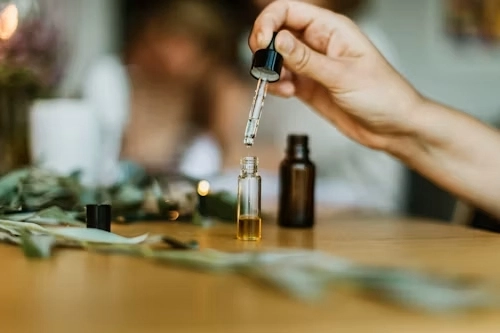
حوّل تصميم التغليف إلى ملف إنتاج
بعد الموافقة على تصميم الزجاجة والغطاء، يمكن تحويل التصميم الإبداعي إلى حزمة إنتاجية متكاملة. يتضمن الملف الكامل رسومات الزجاجة، ومساحة الزخرفة، وموضع الشعار، ورموز الألوان، ومادة الملصق، وطريقة الطباعة، وتشطيب الغطاء، وشكل الكرتون، وموضع الباركود، والنص القانوني، والمكونات، وحجم العبوة، ومساحة رمز الدفعة، وهيكل كرتون الشحن.
تحدث العديد من الأخطاء لأن فرق التصميم تعمل على تصميم ثنائي الأبعاد للملصق، ولا تدرك أن العبوة النهائية ثلاثية الأبعاد. فالملصق الذي يبدو متناسقًا على شكل مستطيل قد يبدو سيئًا على زجاجة دائرية. وقد تفقد الرقائق المعدنية وضوحها على الأحرف الصغيرة. كما يمكن أن تُسبب علب الهدايا مشاكل خفية: فقد تُمسك الحشوات الداخلية الزجاجة بإحكام شديد، وقد تحتك الكراتين الخارجية بالأسطح المطلية، أو قد تُبطئ الأغلفة عملية التعبئة.
اطلب نماذج تغليف قبل الطباعة بكميات كبيرة. يمكن أن يكون هذا نموذجًا ماديًا أو نموذجًا مطبوعًا لتغليف المنتج. ليس من الضروري أن يكون مثاليًا في كل تفاصيله، ولكن دع المشتري يمسك الزجاجة، ويفتح العلبة، ويفحص المضخة، ويراجع اللون، ويختبر تغليف المنتج بالكامل. على سبيل المثال، ألقِ نظرة على نماذج لتغليف المنتجات، وتصاميم تغليف المنتجات، وتغليف منتجات العطور، وتغليف منتجات الروائح، مثل التغليف الفاخر لـ وودي رائحة كولونيا برائحة خشبية أعمق وتركيزات أعلى، وتغليف جاهز للإهداء لرذاذ الجسم للاستخدام اليومي.
اختر عناصر تزيينية تتحمل الحشو.
يجب أن يصمد تصميم عبوة العطر الجيد أمام ظروف الإنتاج الفعلية. فعمليات الرش، والختم الساخن، والطباعة الحريرية، ووضع الملصقات، والطلاء، والنقش، والطلاء الكهربائي، وتغليف علب الورق، كلها تتفاعل بشكل مختلف عند التعامل معها بسرعة. وتضيف خطوط التعبئة نقاط احتكاك. وتحتك الزجاجات بالموجهات. وتُكدس الكراتين. وإذا تقشر الشعار، أو تخدش الغطاء، أو انفصلت حافة الملصق بعد مسحه بالكحول، فإن المشكلة ستؤدي إلى إرجاع المنتج.
اختبر عملية التزيين في ظروف مشابهة لظروف عملية تغليف العطر النهائية. تحقق من اختلاف اللون، وتآكل الطباعة، وثبات الملصق، وضغط الكرتون، وملاءمة الحشوة الداخلية. إذا كان العطر يستخدم سائلاً ملوناً أو مواد حساسة للرواسب، فتأكد من وضوح الرؤية والترشيح قبل الموافقة النهائية على لون الزجاج. قد تبدو الزجاجة الشفافة جذابة، لكنها تكشف أيضاً عن الضبابية، وتغير اللون، أو الجزيئات الصغيرة.
الموافقة على العينات، واختبارات التعبئة، ودعم الموردين
الخطوة الأخيرة هي الموافقة على العينة في ظروف الإنتاج. يجب أن تتضمن العينة المثالية زجاجة مملوءة، ومضخة، وغطاء، وملصقًا، وحاملًا داخليًا، وعلبة ملونة، ورمزًا شريطيًا، ورمز دفعة، وكرتونًا خارجيًا، وأي تفاصيل خاصة بالعطور تظهر على العبوة. ينبغي مراجعتها من قبل فرق المشتريات، والعلامة التجارية، والامتثال، والمستودعات، والمبيعات. كل فريق يرى مستوى مختلفًا من المخاطر.
بالنسبة لمشاريع تصنيع المعدات الأصلية (OEM) وتصنيع التصميم الأصلي (ODM)، تُعدّ عملية شركة Meiqi ذات صلة في مرحلة اتخاذ القرار اللاحقة لأنها تجمع بين مناقشة التركيبة، واختبار العينات، والإنتاج، والتعبئة والتغليف حسب الطلب، والفحص، ودعم التسليم. دعم تغليف العطور حسب الطلب يربط هذا التسلسل بين متطلبات التواصل، وتصميم العطور، واختيار المواد الخام، وتصحيح التركيبة، واختبار العينات، والإنتاج، والتغليف المخصص، والتسليم. وهو مناسب تمامًا لعملية التغليف، إذ يجب أن تتكامل قرارات الزجاجة والتركيبة والعلبة قبل بدء الإنتاج بكميات كبيرة.
ميكي يصف هذا التقرير قاعدة إنتاج ذكية تبلغ مساحتها 20,000 متر مربع، وخطوط إنتاج آلية، وورشة عمل خالية من الغبار بمستوى 100,000، ومعهد أبحاث عطور مستقل، وطاقة إنتاجية سنوية تتجاوز 100 مليون زجاجة، وشهادات ISO9001 ومؤهلات متعلقة بلوائح REACH الأوروبية، و126 نظامًا لمراقبة الجودة. إن وجود هذه الإمكانيات يجعل تقييم جودة تعبئة زجاجات العطور وضغط الشحن أسهل بالنسبة لمصنّع زجاجات العطور.
منتج نسائي ناعم مثل زهرة الورد والعود قد يتطلب الأمر تحكمًا أنيقًا في الألوان وتغليفًا ثانويًا مناسبًا للإهداء، بينما قد تحتاج مجموعة منتجات أوسع في مجال زجاجات العطور المصممة حسب الطلب إلى زجاجات قابلة للتعديل لتناسب مختلف الروائح والأسواق. وبذلك، يستطيع المشتري جعل عملية تغليف العطور واقعية: اعتماد اتجاه رئيسي واحد، واختباره، وتعديل نقاط الضعف، ثم زيادة حجم الطلب تدريجيًا خلال عملية تصنيع العطور.
خاتمة
تُحقق عبوات العطور المُخصصة أفضل النتائج عندما يتم التعامل مع الزجاجة، والتركيبة، والغطاء، والزخرفة، والعلبة، واختبار التعبئة، وخطة الشحن كمشروع واحد. صحيح أن المظهر الجذاب مهم، إلا أن الفحوصات الدقيقة هي التي تُحدد مدى تحمل عبوة زجاجة العطر للاستخدام الفعلي في متاجر التجزئة. لذا، ينبغي على المشترين التأكد من توافق المواد، وإمكانية الإغلاق، والرش، ومتانة التصميم، وحماية الكرتون، ودعم المورد قبل بدء الإنتاج بكميات كبيرة. للحصول على معلومات حول تخطيط العينات، أو تفاصيل التصنيع الأصلي/التصميم والتصنيع الأصلي، أو تكاليف العطور المُخصصة المرتبطة بخيارات الزجاجة والعلبة، يُرجى التواصل معنا. 932218963@qq.com لإجراء نقاش عملي.