As buyers reconsider what “premium” truly means in scents, natural perfume shifts from a small interest to a solid option for today’s fragrance fans. In 2026, the main question focuses not just on whether natural scents seem polished, but also on if they endure long enough for everyday use, special events, and personal scent habits.
Understanding the Shift Toward Natural Fragrances
The scent business in 2026 sees a striking change as shoppers more and more choose openness, eco-friendliness, and genuineness. This move to natural perfumes mirrors wider social beliefs about health and care for the planet.
Buyers today know more and worry about what they put on their skin. They want items with clear lists of parts that show natural origins instead of man-made chemicals. Such openness fits the rising call for clean beauty, where each part of a product can be traced and comes from ethical places. Awareness of the environment matters a lot too. Shoppers feel driven to cut down harm to nature by using ingredients that break down naturally and packaging that supports sustainability.
Eco-friendly gathering of materials now marks the core of current scent making. Brands for natural perfumes stress fair deals and resources that renew, making sure that collecting ingredients avoids damage to nearby habitats or people. This moral approach connects well with thoughtful buyers who see fragrance as more than a fancy good. Instead, they view it as part of how they live.
Market Dynamics Behind the Natural Perfume Trend
Growing doubt about man-made parts is changing how companies create and promote their scents. As shoppers question the safety and harm to nature from fake compounds, small scent makers lead the way in fresh, natural mixes. These solo creators stress limited runs, handmade mixing, and stories drawn from nature’s variety.
Large brands pay attention now. They launch lines that care for the earth and link high-end appeal with green practices. This leads to a mixed market where old scent methods join new ideas from green science. Online spaces boost this pattern even more. They help shoppers find small natural scent creators who value realness over big output.
Composition and Craftsmanship of Natural Perfumes
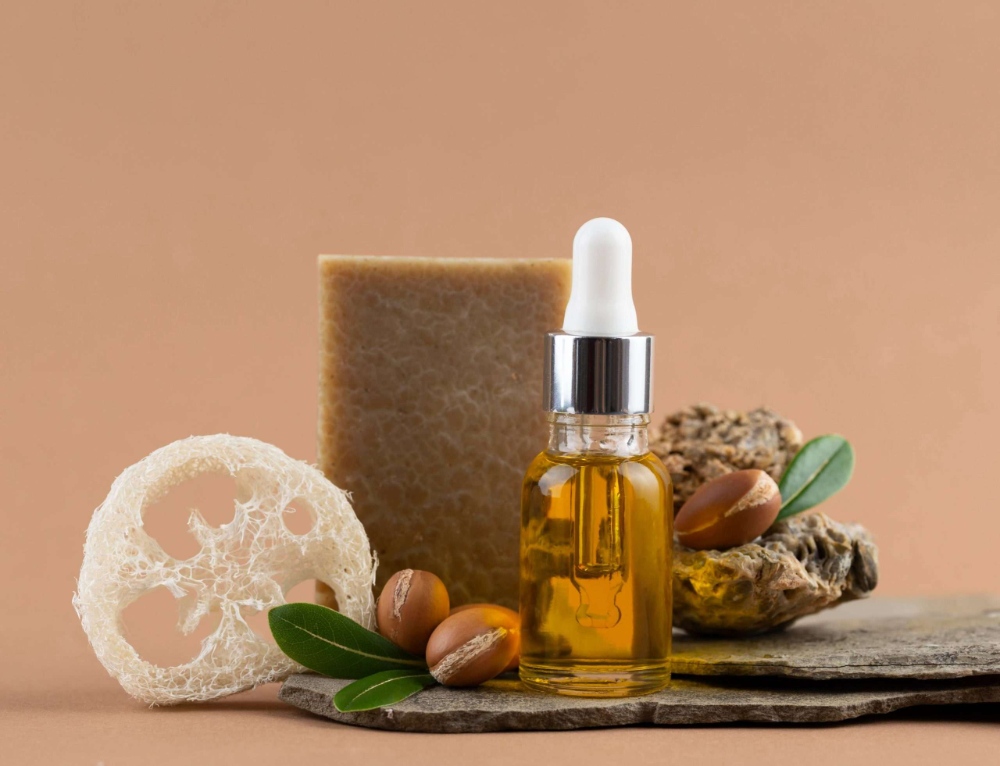
Natural scent making depends on skill and knowledge blending together to build rich but clean smell journeys. It prizes basic materials for their richness and unique traits rather than sameness.
Key Ingredients Used in Natural Perfumery
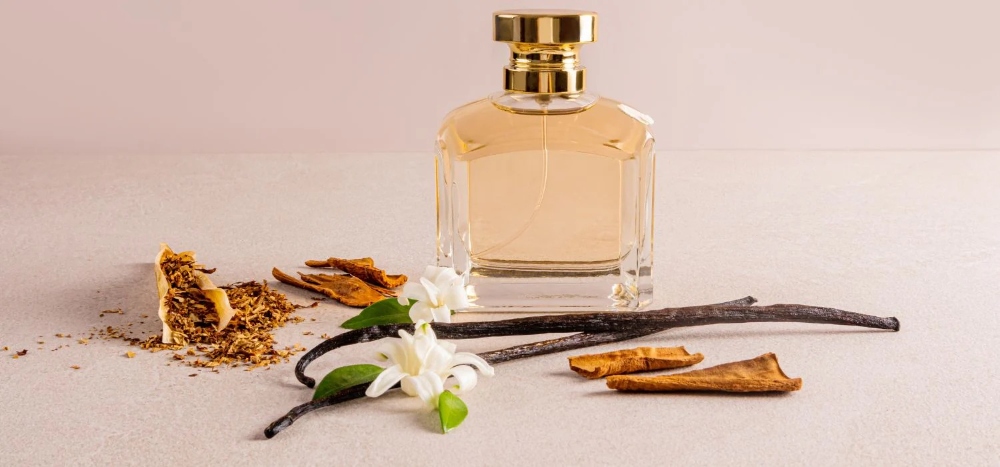
Essential oils, absolutes, resins, and plant pulls make up the center of natural perfumes. These come from blooms, timbers, spices, fruits, and herbs through old ways of pulling out scents like steam boiling or enfleurage to keep the smell true. Where ingredients come from deeply shapes scent steadiness. Seasons of harvest can shift oil makeup, so each mix feels a bit different but stays real.
It’s worth noting that even old scent types like those hinting at leather have ties to natural stuff. The start of leather smells goes back to 16th-century scented gloves. Leather had a sharp odor, so gloves got soaked in perfume to hide it. Over time, they turned into stylish items with a mix of scents and leather hints. This past still guides today’s natural scent makers. They try to remake that richness using plant stand-ins instead of fake ones.
The Role of Artisanal Techniques in Natural Fragrance Creation
Handmade skill sets natural scent apart. Limited runs ensure good oversight while letting scent makers try new ideas. Reaching balance proves tough. Makers must stack parts with care so light scents flow well into middle and deep layers without added chemicals.
Longevity and Performance: Comparing Natural and Synthetic Perfumes
While man-made perfumes often claim longer wear thanks to planned molecules, natural choices depend on nature’s own changing qualities.
Factors Affecting the Longevity of Natural Perfumes
Natural perfumes often fade quicker since essential oils hold lighter buildups that spread fast in air or skin warmth. Yet, deep notes like sandalwood or patchouli boost lasting by holding light top parts. Right, keeping counts is a lot too. Light, warmth, and dampness can speed up the breakdown of perfume and change its smell. So, keeping scents in cool, dim spots aids steadiness over time. This holds extra value for mixes without additives.
Innovations Enhancing Long-lasting Natural Perfumes
Fresh studies close the gap in how well natural and man-made mixes perform. Plant holders from gums or roots stretch wear without losing cleanliness. Wrapping methods borrowed from skin care let scents release slowly all day. Scent makers now plan mixes with even faster fade speeds. This way, each note opens up nicely instead of dropping off suddenly. Such steps mark a big step for those wanting top-notch, long-lasting perfume moments.
Consumer Perception and Lifestyle Integration
Natural cologne and perfume items connect strongly with life styles that stress awareness and realness. Health-aware shoppers like mixes without phthalates or fake triggers that might bother touchy skin or breathing. This worry gets backed by safe use tips like doing patch tests before putting it on.
Simple living boosts this choice further. Folks pick fewer but better items that show ease and ties to nature. Scent turns into a way to show who they are, not just decoration. It acts as a hidden mark based on earth-sourced smells that bring peace or energy based on the mix.
Care for the planet shapes buying choices more than before in 2026. Green packaging like reused glass bottles or caps that break down adds to brand trust for earth-smart buyers. Openness about where ingredients come from builds faith. Firms share facts on farm starts or group ties that help local farmers. No-carbon making now sets top names in this area apart. It’s a trait pushed in sales stories along with proofs of fair rules.
The Future Outlook for the Natural Fragrance Industry Beyond 2026
Looking forward, tech advances offer both chances and hurdles for natural scent making’s ongoing growth.
Biotech might soon allow steady copies of rare flower pulls once held back by shortages or nature’s limits. This would give wider room for creation without using up supplies.
Smart systems could tailor scent plans based on body data or feeling choices, making custom mixes fit exact tastes.
Team-ups across fields will probably grow into skin care and health areas where scent therapy links with full-body wellness.
FAQ
Q1: What defines a true natural perfume?
A1: A true natural perfume uses only plant-derived essences like essential oils or resins without synthetic additives or artificial fixatives.
Q2: How can I make my natural cologne last longer?
A2: Apply it on pulse points where skin warmth enhances diffusion; perfume prefers areas with high body temperature and rapid blood circulation. Proper storage away from light also preserves its potency.
Q3: Are there safe ways to test new fragrances on sensitive skin?
A3: Yes—perform a patch test first. Before using a new perfume for the first time, it’s recommended to perform a skin test. This minimizes allergic reactions while ensuring compatibility with your body chemistry.
Q4: Which brand offers sustainable, long-lasting perfume options?
A4: For eco-conscious buyers seeking durability with purity, Meiqi’s Mysterious Woody Scent Cologne provides naturally balanced formulations crafted through responsible sourcing methods ideal for everyday sophistication.