
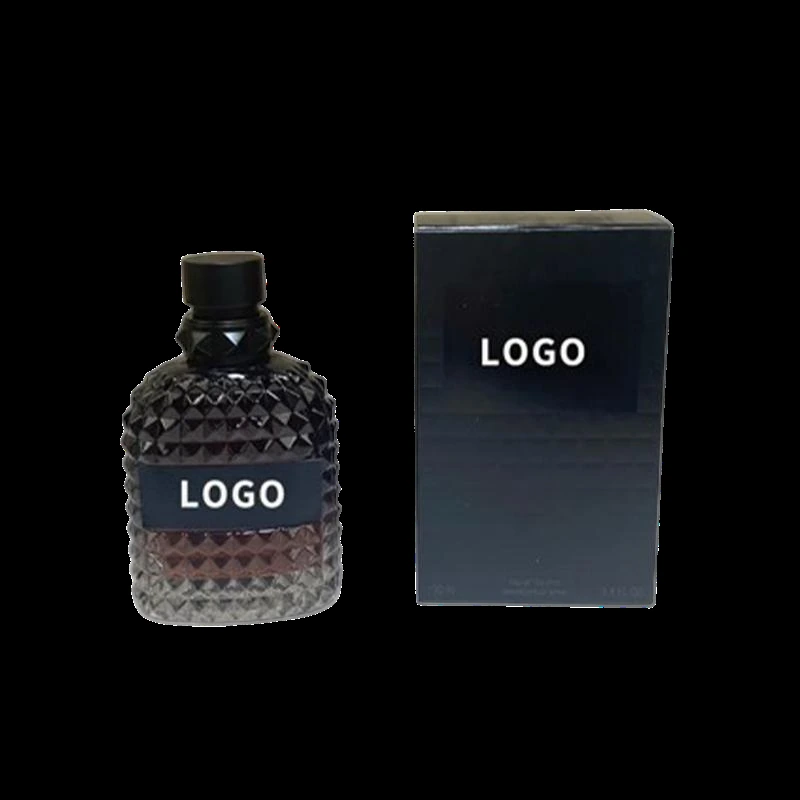
A perfume brand receives two quotations for the same planned launch. Both say “custom perfume,” both show a bottle and box, and one is noticeably cheaper. Before negotiating, the buyer needs to find out whether the offers cover the same fragrance work, packaging, assembly, and delivery responsibilities.
Private label perfume cost is easier to assess when the quotation follows a defined product brief. A bottle price alone cannot describe the whole order. Use the first comparison to identify what each supplier has included, what remains provisional, and which decisions will change the total before production.
What product is each supplier actually pricing?
Give suppliers one controlled brief. State the intended market, fragrance direction, nominal fill, bottle and closure concept, decoration, box, order quantity by variant, and destination. Mark undecided items clearly. If a buyer sends different sketches and quantities to different factories, the resulting quotes are unlikely to be comparable.
Meiqi‘s perfume development service coordinates fragrance direction, sampling, bottle and cap options, decoration, labels, boxes, production, and shipment preparation. Those connected tasks explain why a quotation needs a product scope rather than a single “perfume unit” description. Ask which of them are included in the proposed price.
Separate a budget estimate from a confirmed offer
A supplier may reasonably quote an initial range before the final bottle, fragrance, and artwork are approved. Label that figure as provisional and ask what assumptions support it. A confirmed quotation should identify the approved specification and its revision. Otherwise, a later price change can look like a surprise even when the product has changed substantially.
Ask how many fragrance variants and packaging versions the quoted quantity covers. A total order spread across several variants is not necessarily the same production scope as one fragrance in one bottle. Do not assume that the headline quantity applies to every component or version in the same way.
Which cost lines deserve a separate answer?
Break the scope into fragrance development and filling, primary packaging, decoration, secondary packaging, and order-specific work. You do not need access to a supplier’s internal costing to understand what is included. You need enough detail to compare responsibilities and identify the items that are still subject to confirmation.
Fragrance, samples, and approval work
Ask what sampling work is covered, how feedback is handled, and when another development charge could apply. Confirm the fragrance reference and the fill specification used for quotation. If the scent is still being revised, the buyer should know whether the quoted price assumes the current version or a final formula yet to be agreed.
Meiqi supports fragrance-direction communication and sampling for private-label, OEM, and ODM projects. Its production-quality approach uses the buyer-approved sample and confirmed specifications as references. Link the final commercial offer to those approvals so that purchasing and production are working from the same product definition.
Bottle, closure, decoration, and box
Check the bottle shape, cap, spray component, color, printing, label, and box separately. An attractive sample photo may show a decoration or insert that the quoted offer excludes. Ask whether tooling or setup is included, charged separately, or not yet determined. Do not assume that a display sample means the exact components are available for your order.
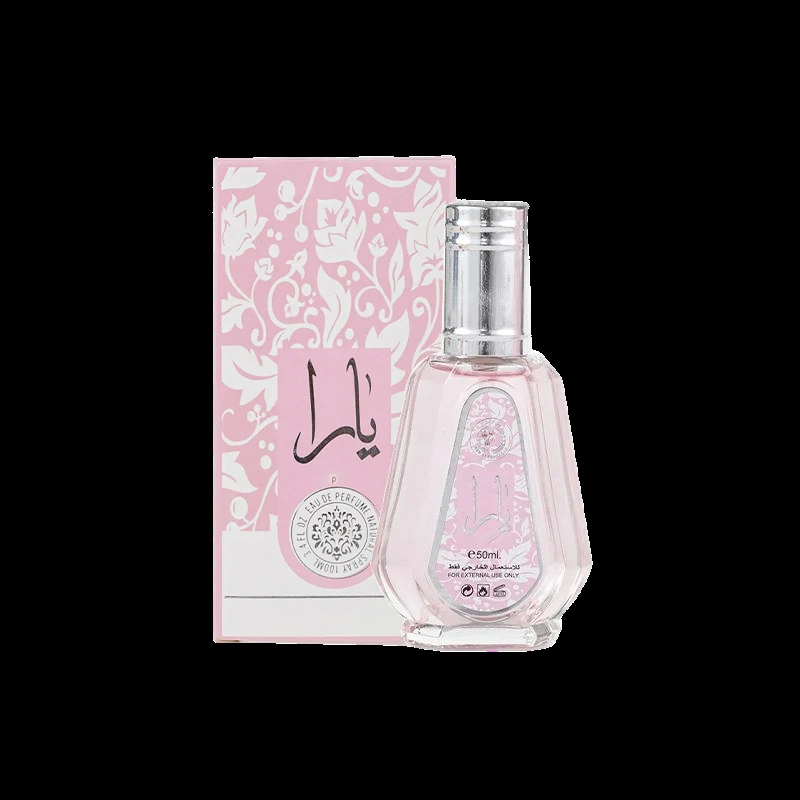
milik Meiqi product collection shows bottle and packaging directions for discussion. The company coordinates bottle shapes, caps, colors, printing, labels, and packaging components. Treat images as development references; confirm the actual specification, supply arrangement, and authorization for your own brand artwork.
How do order terms change the comparison?
Compare the same delivery basis and destination. Identify whether a quotation ends at the factory, includes a named transport leg, or covers another agreed scope. Ask who arranges shipping, which documents will be supplied, and which costs remain with the buyer. A lower factory price can coexist with a higher total delivered cost.
Record payment terms, validity, order quantity, and the treatment of project changes. A supplier should know when you expect to decide and which product details are still open. A buyer should know whether a changed cap, box, or fragrance version requires a revised offer.
Quality responsibilities belong in this comparison too. Meiqi checks fragrance materials and packaging components before use, performs filling, assembly, appearance, and packing checks during production, and reviews the goods against agreed requirements before shipment preparation. Ask which records and project-specific checks will be provided. Do not infer a particular test programme from the word “quality.”
If a target-market document or test is needed, name it and assign responsibility before order approval. Keep required compliance work separate from optional development preferences. A certificate mentioned during a sales discussion does not by itself establish that every formula, package, or market requirement is covered.
How can brands negotiate without changing the product by accident?
Start with the cost drivers that remain adjustable. A buyer may be able to simplify decoration, reduce the number of variants, select an existing component, or revise the box concept. Ask the supplier to show the consequence of each option for price, quantity, and timing. Approve the option deliberately instead of allowing an invisible specification downgrade.
For example, replacing a decorated bottle with a label-based design changes more than a line item. Artwork, appearance approval, and application checks may also change. Compare the revised product against the brand’s positioning and handling needs before accepting the saving. Keep the original and revised offers clearly identified.
Meiqi works with overseas importers, wholesalers, and emerging perfume brands and coordinates development through packing and shipment preparation. That breadth can help a brand discuss product trade-offs with one project contact. It does not remove the need to confirm the parties responsible for each approval.
Use a short clarification round rather than repeated requests for a lower number. Send the suppliers the same unresolved questions and ask for a revised, complete quotation. Once the offers cover the same scope, the team can compare private label perfume cost alongside sample quality, communication, and the practical supply arrangement.
What should be agreed before the purchase order?
The final order should identify the approved fragrance and packaging versions, quantity by variant, commercial scope, and open items. Attach or reference the relevant approved sample and specification records. Make clear what happens if a supplier proposes a substitute component after approval.
Keep a record of the decision. If the chosen offer costs more because it includes a required box, document, or development task, state that reason. It makes future reorder negotiations more accurate and prevents the next buyer from comparing the complete order with an old, incomplete headline price.
To obtain a useful comparison from Meiqi, send a consolidated product brief and mark the choices that are still flexible. Ask for the quotation assumptions and exclusions as well as the unit price. A complete brief is the quickest route to a commercial discussion that can lead to an order.
Ask one person to maintain the comparison after each revision. If a supplier changes the box specification while another changes only the payment term, update the corresponding fields rather than replacing the entire offer with a new headline price. That record helps the brand explain its decision internally and gives the selected manufacturer a clear commercial baseline for the purchase order.
Include the people who will manage the product after purchasing. A box chosen only for its low price may create a presentation issue for sales, while an elaborate decoration may create an approval burden the small brand cannot manage. Ask these teams to identify their essential requirements before negotiation. Then distinguish those requirements from preferences that can be traded for cost or timing.
Record what has been excluded by choice. If the brand decides to arrange a test, document, or transport stage itself, name the owner and budget for that work. An exclusion is manageable when someone accepts it; it becomes a problem when everyone assumes another party included it.
Kesimpulan
Compare private label perfume quotes by product scope first and price second. Align fragrance work, packaging, order quantities, quality responsibilities, and delivery terms. Then negotiate the choices that remain flexible. The resulting offer gives the brand a clearer purchase decision and gives the manufacturer a product it can prepare against an agreed reference.
For a project-specific quotation, send your fragrance direction, packaging concept, quantities, and destination to saleyang@yongqigood.com.