짧은 영상 콘텐츠를 통해 사람들이 새로운 향을 접하는 방식이 변화했습니다. 짧은 영상에서 좋은 인상을 주는 향이라도, 사무실에서 하루 종일 지속되는 향이어야 합니다. 향수 공급업체, 도매업체, 그리고 향수 업계 종사자들에게 중요한 질문은 어떤 트렌드가 가장 큰 관심을 끄는가가 아닙니다. 어떤 트렌드가 지속력 있고, 기분 좋은 향을 내며, 발향력과 잔향이 좋고, 재구매 가능성이 높은 제품으로 이어질 수 있는가가 관건입니다.
일상적인 사무실 근무에 적합한 향수란 어떤 특징을 가지고 있을까요?
사무실 향기는 공간 전체를 차지하지 않으면서도 존재감을 드러내야 합니다. 시트러스, 깨끗한 머스크, 부드러운 우디 계열, 그린 노트, 은은한 앰버 향은 가까이서 들었을 때 세련된 느낌을 주고 공용 공간에서도 부담 없이 사용할 수 있어 좋은 선택이 될 수 있습니다.
첫 분사는 향의 일부일 뿐입니다. 향이 피부에 충분히 스며든 후 탑노트, 미들노트, 베이스노트를 모두 느껴보세요.
환경 또한 중요합니다. 개방형 사무실, 회의, 통근, 에어컨, 더운 날씨는 향수에 대한 인식을 바꿀 수 있습니다. 서늘한 사무실 환경에 적합한 제품군은 습한 환경에서는 더 가벼운 향으로 포지셔닝해야 할 수도 있습니다.
사무실에서 사용하기에 가장 적합한 향수 사용법은 무엇일까요?
다음 여섯 가지 방향은 일상복 트렌드를 평가하는 데 실용적인 지침이 될 수 있습니다. 각 방향은 서로 다른 고객층이나 유통 채널에 적용될 수 있습니다.
- 상큼한 시트러스와 네롤리: 베르가못, 자몽, 레몬, 네롤리가 어우러져 아침, 출퇴근길, 따뜻한 날씨의 매장에 어울리는 산뜻한 첫 향을 선사합니다. 가장 중요한 것은 처음의 상쾌함이 사라진 후에도 베이스가 부드럽게 유지되는지 여부입니다.
- 깨끗한 머스크와 부드러운 우디 향: 머스크, 가벼운 우디 향, 그리고 은은한 파우더리한 마무리가 깔끔하고 피부에 밀착되는 느낌을 줍니다. 강한 단맛이나 과도한 확산 없이 안정감 있는 오피스 시그니처 향을 원하는 고객에게 적합합니다.
- 그린 베티버와 방향성 허브: 베티버, 클라리 세이지, 로즈마리 또는 기타 그린 계열 향은 향수에 건조하면서도 차분한 느낌을 더할 수 있습니다. 이러한 향조는 쓴맛이나 흙냄새가 지나치게 강해지지 않는다면 성숙한 비즈니스 이미지에 적합합니다.
- 삼나무와 백단향: 삼나무는 구조감을 더하고 백단향은 마무리감을 부드럽게 합니다. 이 두 가지 향이 어우러져 단순하고 산뜻한 향보다 깊이 있고 세련된 향을 선호하는 고객에게 안정적이고 우디한 향을 선사합니다.
- 가볍고 상쾌한 아쿠아틱 노트: 산뜻하고 물처럼 맑은 바다 향은 따뜻한 기후와 캐주얼한 사무실 환경에 잘 어울립니다. 구매 시 첫 향이 지나고 금속성 향이나 날카로운 향으로 변하는지 확인하는 것이 좋습니다.
- 부드러운 앰버, 바닐라, 파우더리 노트: 앰버, 바닐라, 통카빈, 그리고 은은한 파우더리 노트가 서늘한 계절에 따뜻함을 더합니다. 지나치게 달콤한 향은 작은 회의실에서 부담스러울 수 있으므로, 향의 균형을 절제하는 것이 중요합니다.
구매자는 간략한 향수 트렌드 정보를 어떻게 검증해야 할까요?
인기는 제품 사양의 기준이 아닙니다. 구매자는 향 자체, 사용 환경, 그리고 반품 및 재구매에 영향을 미치는 포장 세부 사항을 비교해야 합니다.
오프닝, 미들 노트, 그리고 드라이 다운을 비교해 보세요.
탑 노트는 첫인상을 결정하고, 미들 노트는 주요 특징을 전달하며, 베이스 노트는 밝은 향이 부드러워진 후에도 남아 있습니다. 처음 뿌린 후, 30분 후, 그리고 몇 시간 후에 시향지와 피부에 직접 뿌려 향을 테스트해 보세요.
판매 직원이 사용할 수 있도록 간결한 언어로 향의 변화를 기록하세요. 시트러스와 허브 향으로 시작하는 향이 깨끗한 우디 향으로 바뀔 수도 있고, 부드러운 앰버 향으로 시작하는 향이 따뜻한 피부에서는 더 진해질 수도 있습니다. 짧은 오프닝 영상보다는 전체적인 향의 변화 과정이 더 중요합니다.
다양한 사무 환경에서의 프로젝션 테스트
개방형 작업 공간, 개인 사무실, 회의실, 그리고 더운 야외 출퇴근길에서 향의 성능을 비교해 보세요. 같은 향이라도 장소에 따라 은은하게 느껴질 수 있지만, 다른 장소에서는 너무 강하게 느껴질 수 있습니다. 가까운 거리에서도 불쾌감을 주지 않으면서 향이 지속적으로 느껴지는지 확인해 보세요.
농도는 그 자체로 품질을 판단하는 기준이 될 수 없습니다. 가벼운 향은 따뜻한 낮 시간에 적합할 수 있고, 풍부한 향의 오 드 퍼퓸은 가을이나 겨울에 더 잘 어울릴 수 있습니다. 적절한 사용 시기는 사용량, 피부 상태, 기후, 그리고 고객의 선호도에 따라 달라집니다.
병, 포장 및 재주문 세부 정보를 확인하세요
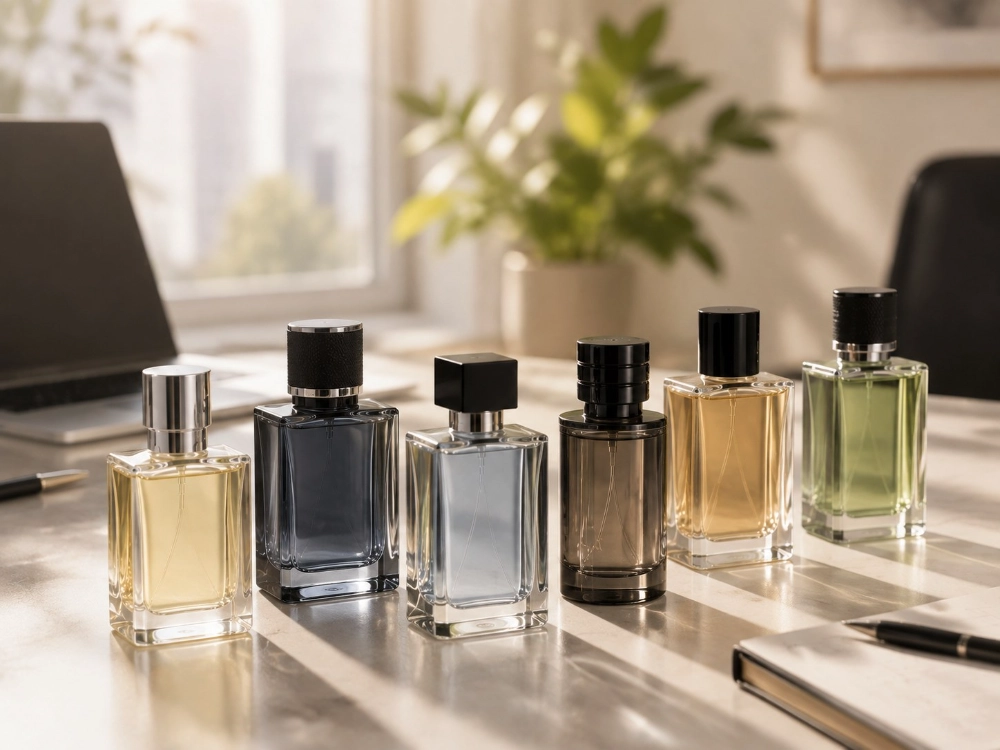
사무용품이라도 진열 시 신뢰감을 주는 외관이 중요합니다. 용기, 펌프, 뚜껑, 라벨, 외부 상자, 보호용 삽입물 등을 모두 함께 확인하세요. 남성 향수 컬렉션 다양한 향 방향에 따른 병 디자인을 비교하는 데 유용한 참고 자료를 제공합니다.
포장은 구매 결정에 영향을 미치는 요소입니다. 뚜껑이 헐거워지거나, 펌프에서 액체가 새거나, 라벨이 제자리에 있지 않거나, 상자가 찌그러진 경우, 내용물 자체는 문제가 없더라도 불만이 발생할 수 있습니다.
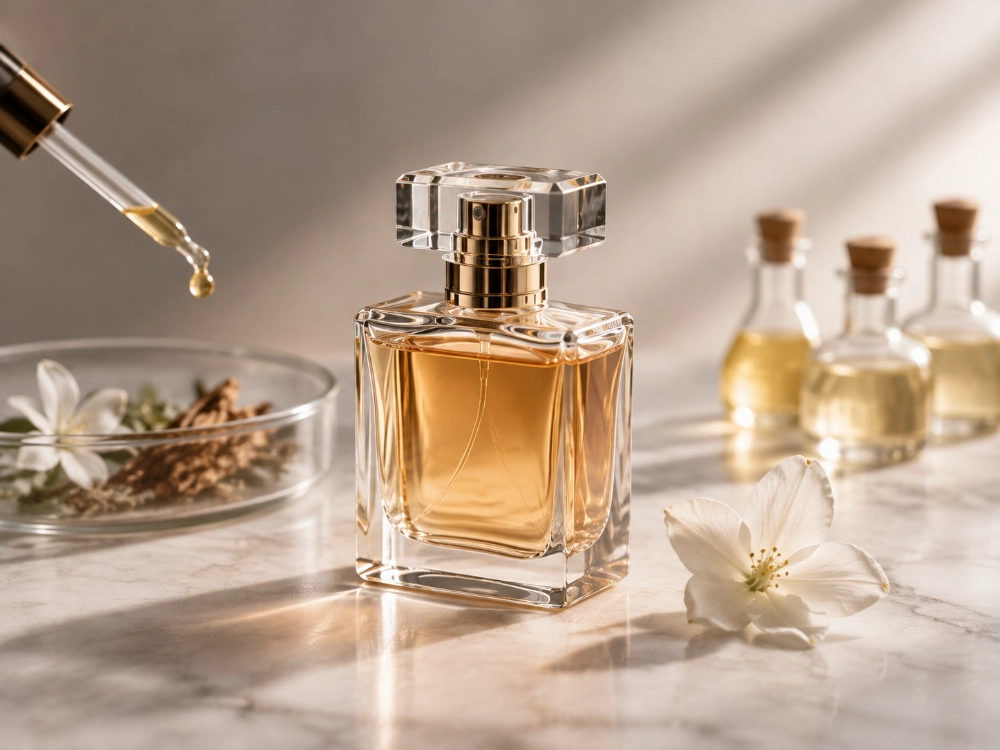
대량 주문 전에 충전, 밀봉, 포장 및 운송 과정을 통해 구성품을 테스트하십시오. 승인된 샘플을 보관하여 향후 생산될 제품과 동일한 향과 포장을 가진 제품을 비교할 수 있도록 하십시오.
소매업체는 온라인 관심을 어떻게 제품 라인업으로 전환할 수 있을까요?
온라인에서의 관심은 시작 신호로 여겨야 하며, 유사한 제품을 여러 개 출시해야 할 이유가 되어서는 안 됩니다. 균형 잡힌 초기 라인업은 접근하기 쉬운 시트러스 계열, 믿을 수 있는 데일리 향수를 위한 깨끗한 머스크, 드라이한 느낌을 위한 그린 노트, 그리고 좀 더 성숙한 느낌을 위한 시더우드나 샌달우드 등으로 구성될 수 있습니다.
수생 향과 부드러운 앰버 향은 따뜻한 계절이나 서늘한 계절에 어울리는 향으로 활용될 수 있습니다. 판매 교육에서 각 제품의 역할을 명확히 정의하십시오. 직원들은 향이 신선한지, 깨끗한지, 푸른지, 우디한지, 수생인지, 따뜻한지 등을 일반적인 설명 없이도 설명할 수 있어야 합니다.
병 용량은 제품 라인업 구성에 중요한 요소입니다. 30ml 또는 50ml 용량은 시음용이나 여행용 판매에 적합할 수 있으며, 75ml 또는 100ml 용량은 주력 소매 제품으로 활용될 수 있습니다. 용량 선택은 가격, 배송비, 진열 공간, 그리고 예상되는 재구매율을 고려하여 이루어져야 합니다.
더욱 깊이 있는 목재 중심의 인테리어 방향을 원하신다면, 우디 계열 향 방향 이를 통해 구매자는 기존의 다양한 사무용품 제품군을 교체하지 않고도 향의 질감, 병 디자인, 프리미엄 포지셔닝 등을 비교할 수 있습니다.
브랜드는 대량의 사무실용 방향제 주문 전에 무엇을 확인해야 할까요?
최소 주문 수량(MOQ)은 단순히 청구서 금액에만 영향을 미치는 것이 아닙니다. 세척, 혼합, 충전, 캡핑, 포장, 라인 준비 등 모든 과정이 비용과 생산 시간에 영향을 미칩니다. 선택한 병 종류, 라벨링 공정, 상자, 배송 계획에 따라 실현 가능한 최소 주문 수량이 얼마인지 문의하십시오.
주문 기록에는 승인된 향료 샘플, 농도, 병, 펌프, 뚜껑, 라벨, 로고 위치, 상자, 코딩 방식, 케이스 포장, 리드 타임, 배송 조건 및 불량품 처리 절차가 명시되어야 합니다. 대량 생산 전에 완성된 생산 샘플을 승인하고 보관하십시오.
포장재는 대량 생산 전에 자체적인 테스트가 필요합니다. 유리병, 펌프, 뚜껑, 라벨, 상자는 충전 및 운송 과정에서 각기 다른 방식으로 변형될 수 있습니다. 용기 테스트를 통해 누출, 헐거운 결합, 인쇄 번짐 또는 부실한 보호 등의 문제를 발견하고, 비용 부담이 적은 시점에 조정할 수 있습니다.
브랜드가 제품 배합 샘플링, 포장 디자인 조정 또는 컨셉 구상부터 대량 생산까지의 전 과정 지원이 필요한 경우, 향수 OEM 및 ODM 지원 사무실 향기 방향이 명확해진 후에 고려할 수 있습니다. 제조 지원은 제품 계획을 뒷받침해야 하며, 제품 자체를 좌우해서는 안 됩니다.
제조 지원은 어떻게 사후 품질을 보호할 수 있을까요?
일관성을 유지하려면 단순히 공식을 반복하는 것 이상의 노력이 필요합니다. 동일한 용기, 펌프, 뚜껑, 라벨 용지 및 상자를 재주문할 수 있는지 확인하십시오. 구성품 중 하나라도 단종될 경우, 다음 배송이 필요하기 전에 대체품을 확보해야 합니다.
승인된 샘플은 구매 기록과 함께 보관하고 향후 배송되는 제품과 비교하십시오. 향 발현 상태, 액상 충전량, 분사 패턴, 뚜껑 밀착 상태, 라벨 위치, 상자 상태 및 보호 삽입물을 확인하십시오. 이러한 세부 사항은 제품 배합 문제와 포장 또는 운송 문제를 구분하는 데 도움이 됩니다.
제조 파트너를 평가하는 구매자에게는 샘플 일관성, 부품 테스트, 생산 기록 및 의사소통과 더불어 생산 배경이 중요합니다. 예를 들어, 메이치 이 글이 사무실 향수 선택에 초점을 맞추는 동안에는 해당 예시가 보조적인 역할을 해야 합니다.
사무실 방향제 구매자를 위한 실질적인 권장 사항은 무엇일까요?
먼저 세 가지 명확한 역할을 설정하세요. 누구나 부담 없이 데일리로 사용할 수 있는 상큼한 시트러스 계열, 사무실에서 사용하기 좋은 깨끗한 머스크 또는 그린 노트, 그리고 따뜻하고 고급스러운 느낌을 주는 시더, 샌달우드 또는 부드러운 앰버 계열을 추천합니다. 고객 피드백을 통해 수요가 있을 경우 아쿠아틱이나 파우더리 계열을 추가하세요.
최종 선택은 향의 잔향, 사무실 환경, 포장의 신뢰성, 배치 일관성 및 재주문 용이성을 종합적으로 고려하여 이루어져야 합니다. 향수 제조 솔루션은 이러한 계획 논의 과정에서 함께 검토될 수 있으며, 최종 결정은 승인된 샘플과 서면으로 작성된 생산 세부 정보를 바탕으로 이루어져야 합니다.
자주 묻는 질문
Q1: 매일 사무실에서 사용하기에 가장 적합한 향수 스타일은 무엇인가요?
A1: 깨끗한 시트러스, 부드러운 머스크, 가벼운 우디 노트, 그린 노트, 그리고 절제된 아쿠아틱 계열의 향은 일반적으로 공유 오피스에 더 잘 어울립니다. 최종 선택은 잔향 후의 발향력과 지역 기후에 따라 달라집니다.
Q2: 구매자는 대량 주문 전에 향수 트렌드를 어떻게 테스트해야 할까요?
A2: 처음 분사 시, 30분 후, 그리고 몇 시간 후에 피부와 시권선에 테스트하십시오. 다양한 사무실 환경을 확인한 후, 용기, 펌프, 뚜껑, 라벨, 상자 및 보관된 샘플을 비교하십시오.
Q3: 브랜드는 어떤 포장 및 생산 세부 사항을 확인해야 합니까?
A3: 최소 주문 수량(MOQ), 향료 샘플, 농도, 용기, 포장, 로고 위치, 코딩 방식, 생산 샘플, 리드 타임, 케이스 포장, 배송 조건 및 불량품 처리 절차를 확인합니다.