
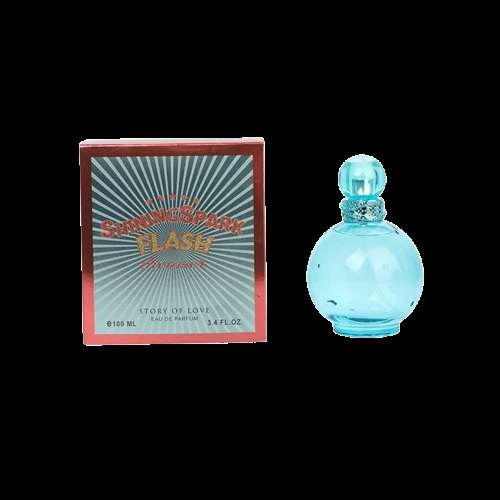
The first order sold well. The brand wants the same perfume again. But the next request often shows only a bottle photo, an old sample, and a short email that just says “repeat the last order.” When the early development work made several fragrance and packaging versions, those loose references rarely point to one clear product.
Perfume batch consistency starts with the exact reference that production must match. A good reorder therefore needs the approved fragrance, component, artwork and packing versions. It also needs simple rules for handling any change. This works better than asking a maker to promise that nothing will ever shift.
What exactly should a reorder repeat?
Make a clear product record from the first accepted order. Write down the fragrance version, the fill amount, the bottle, the spray part, the cap, the decoration, the label, the box and the packing way. Link this record to the first approval and the matching order number. If an old sample has been replaced, mark it so it cannot come back as the reference by mistake.
Meiqi uses buyer-approved samples and confirmed specifications as production references. Its development scope includes fragrance direction, bottle and cap choices, printing, labels and packaging. A reorder record should therefore cover both the fragrance and the physical pack rather than treating them as separate buying decisions.
In real factory work, teams often lose track after only three or four versions. One brand once sent a photo of a bottle from 18 months earlier and expected a perfect match. The new batch looked close but the spray felt weaker. That small gap cost two weeks of checking. A simple numbered record stops this kind of mix-up.
Keep a reference with an identity
Put a clear label on every approved sample. Write the product name, the version, the batch and the main dates. Decide early who will keep the sample and how people will use it. A sample with no name can still help a talk, yet it is a weak base for judging if a later batch really matches.
When people need to smell and compare, write down the room conditions and the exact samples they use. A new sample and an older kept sample rarely feel the same without that note. Ask the fragrance team and the quality team to pick a fair method. The method should also look at the age and storage of the old samples. A quick smell test in a busy office is rarely reliable.
Which changes should trigger a review before production?
Even a request for the same finished product can hide changes. A part may run out of stock. Artwork may have been updated. Or a supplier may offer a new version. The buying team needs a clear path for these cases before the production order starts.
Meiqi’s OEM and ODM coordination covers bottles, caps, colors, decoration, labels and boxes as well as fragrance development. Ask the project contact to mark any proposed changes against the approved record. The buyer can then decide which ones need a new sample, a paper check or another agreed test.
Many brands have approved a “same” cap that was only 0.3 mm taller. The spray head no longer sat flat. The whole batch had to wait. A short review step would have caught it in one day.
Describe the change and its effect
A clear change request names the old version and the new one. It states the reason, lists the orders it touches and shows who must say yes. Calling something an “equivalent cap” is too vague if the fit, look or assembly is different. Attach a sample or a paper when needed. Write the decision before any switch goes ahead.
Keep artwork changes apart from part changes. A new label can change text, colour or place without touching the bottle. Make sure the production file is the approved one and that old files cannot be used. The same control should cover cartons and shipping marks when they matter.
What should be checked when the reorder is produced?
Agree on checks that match the real risks of the product. Incoming parts must match the approved version. During production, check the filling, the assembly, the look and the packing. Before the goods leave, look at the finished stock against the confirmed order and the agreed rules.
Those stages match Meiqi’s stated quality approach: materials and packaging components are checked before use, filling and assembly are checked during production, and the finished goods are reviewed before shipment preparation. Ask which project records will be shared and which extra checks are needed for your market or pack.
Keep an approved sample nearby during the check. If a bottle looks different, find out whether the change comes from the glass, the print, the light or the old sample itself. If the spray feels different, compare the real assembled parts and write down the method. A vague note that the perfume “feels different” is hard to fix.
Write down both the passes and the exceptions. A known small difference that was allowed for one order should not quietly become the normal rule. Say clearly if the approval is only for that batch or if it updates the main record for later runs.
How should the brand handle a suspected mismatch?
Find the affected batch and keep some sample bottles. Write what is different, how the difference was seen, and which approved sample was used. Add photos for look differences and a clear note for smell or spray differences. Keep the scope small enough for the supplier to check.
Next, look at the order, the approved papers, the part versions and the production notes. Do not think a batch code alone explains the problem. The code points to a production run, yet the check still has to link the difference to materials, process or comparison conditions.
Meiqi supports brands through development, production, inspection, packing and shipment preparation. A buyer can use that coordinated project contact to review the issue across both fragrance and packaging. Ask for the evidence needed and agree the next check rather than calling for a quick formula change before the cause is clear.
If a fix is suggested, decide how its success will be checked and which orders it covers. Keep the decision with the product file. The next reorder should follow the fixed record instead of starting the same talk from an old email.
Who needs to approve the next order?
Purchasing confirms the numbers and the money terms. Product staff confirm the range and the look. Quality or the named technical person confirms the acceptance sample and looks at any differences. Decide who has the final say when these needs clash, and give the maker one clear go-ahead.
For growing product lines, keep a simple version list instead of trusting memory. Write the current fragrance, part, artwork and box references for each SKU. Add the last accepted order and any approved changes. This helps a lot when staff change or when several products share similar packing.
Meiqi’s perfume development and product options allow brands to discuss a coordinated fragrance and packaging offer. To support perfume batch consistency on a reorder, send the approved product record with the quantities and requested delivery window. Ask the team to flag any proposed change before production is confirmed.
Ask the sales team to keep customer notes specific too. A report that “the new batch is weaker” should start questions about the batch number, the comparison product, the storage and the way it was checked. It should not jump straight into a request to change the fragrance. Keep both the old sample and the new product so the technical team can look at the same things the customer compared. This stops the brand from making a change that only creates a new problem next time.
Close the loop after looking into a mismatch. Note the cause that was found, the action taken and the proof used to accept the fix. If the result stays unclear, leave that status open and agree the next check. Do not turn an unclear finding into a permanent formula or packing change.
Share the final decision with everyone who places the next order. A technical note that stays only in a quality email can be missed by purchasing. Put the current fragrance and part references into the product list so a well-meant repeat order does not bring back the old version by accident.
Conclusion
Consistent perfume reorders rest on a product that is clearly named and a process that can handle changes. Keep approved samples easy to track, review part and artwork changes, and compare batches under the same conditions. The brand and the maker then share a common base for deciding what should stay the same and what needs new approval.
For a reorder review, send the approved fragrance and packaging references to saleyang@yongqigood.com.