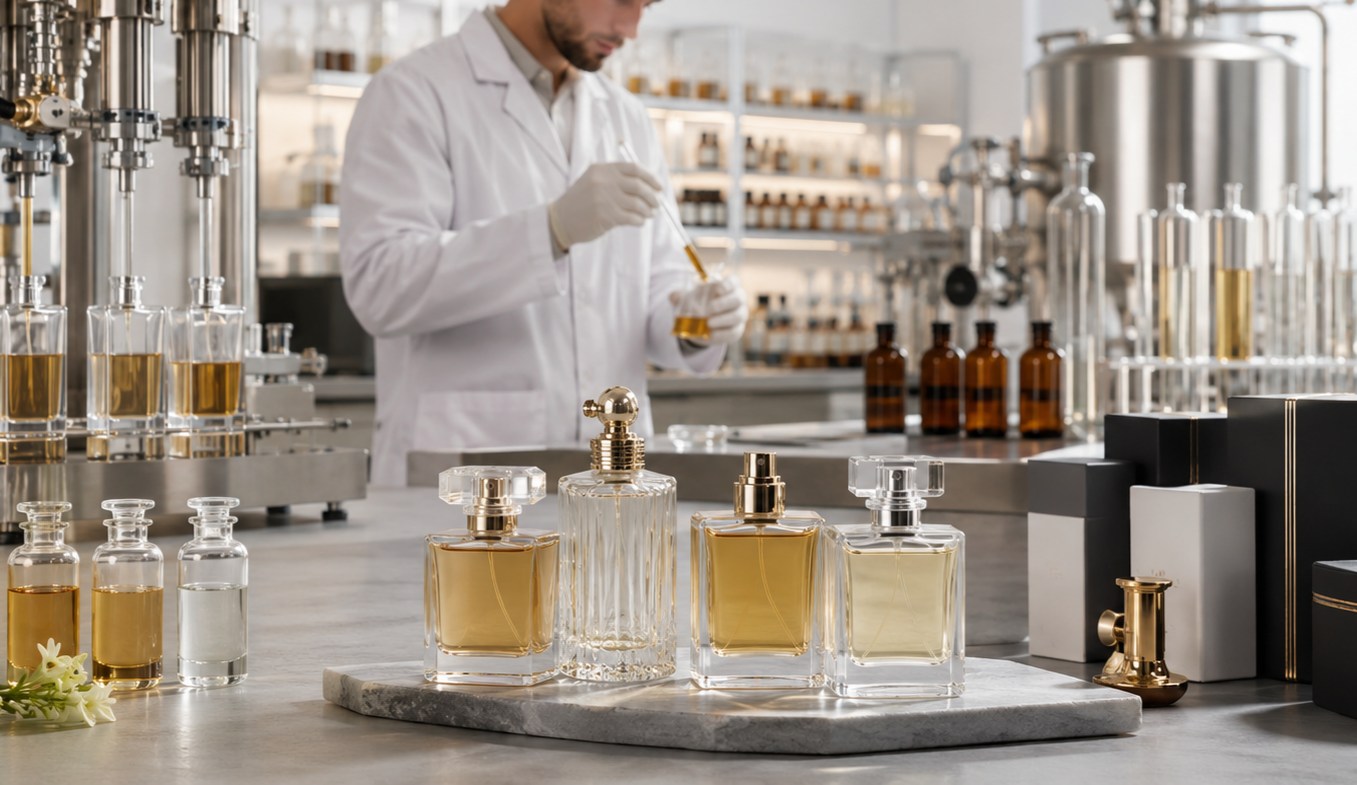
A fragrance brand can have a clear visual identity and a strong product idea long before it has a factory. The difficult part is turning that idea into a repeatable product: the scent must stay consistent, the bottle must not leak, the sprayer must feel right, and the finished package must survive transport. That is where an OEM partner becomes part of the brand-building process.
When OEM Perfume Manufacturing Is the Right Fit
OEM works well for a buyer who already knows what the line should look like. The direction may include a floral or woody profile, a target concentration, a 50ml or 100ml bottle, a specific label style, and a clear channel such as boutique retail, online stores, gift shops, or regional distribution.
That is different from asking a factory to invent a brand with no brief. The clearer the starting point, the easier it is to compare samples, control costs, select packaging, and make a production decision. A vague request can produce several attractive samples without producing a product that fits the intended price band or customer.
Start with a Product Brief the Factory Can Follow
A useful brief does not need to be long, but it needs to be specific. Set out the fragrance family, strength, bottle capacity, sprayer preference, label requirements, outer-box direction, target market, estimated order quantity, and expected reorder pattern. These details affect the quotation and the production path.
Quantity matters because labor and processing costs change with filling, capping, cleaning, packaging, and the selected bottle model. Capacity also affects the production schedule. A 10ml trial pack, a 50ml retail bottle, and a 100ml gift product should not be treated as the same job with different labels.
Control the Formula and Sample Before Production Starts
Choose the Formula Route
An OEM project usually follows one of three routes. The buyer may provide an existing formula or fragrance sample for reproduction. The buyer may describe a scent direction and ask the factory to create samples. Or the buyer may select a mature fragrance and adjust the strength, packaging, or presentation for a private label line.
Each route needs a different conversation about testing and ownership. When a buyer supplies a sample, the factory should confirm whether it can analyze and reproduce the profile. When the factory creates the formula, the buyer should approve the scent in writing before packaging materials are ordered. Sample feedback should be recorded, rather than left in informal messages that are hard to reference later.
Make the Approved Sample the Production Reference
Sample approval is the point where a brand promise becomes measurable. Keep a numbered reference sample and record the fragrance version, concentration, color, fill volume, and date. Before filling begins, compare a pre-production sample with the approved one. The opening may be similar, while the drydown, sweetness, alcohol sharpness, or lasting impression has changed.
A finished example such as the Meiqi‘s Signature Blend EDP can help a buyer discuss the relationship between oil level, EDP positioning, and the final market promise.
Confirm Bottles, Sprayers, and Packaging as Physical Samples
Bottle and Sprayer Checks
A bottle can look excellent in a rendering and still fail during filling or shipping. Ask for physical samples and check the bottle mouth, glass condition, sprayer fit, spray volume, atomization, cap tightness, and seal. A weak sprayer changes the way the fragrance is used. A loose cap can lead to evaporation, leakage, and damaged cartons.
Labels, Boxes, and Carton Protection
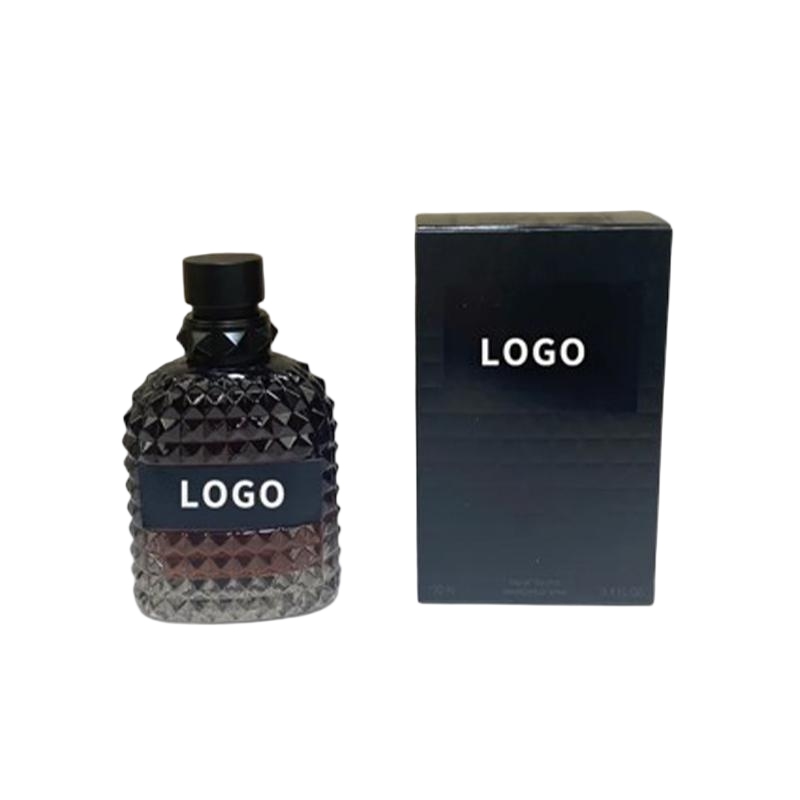
The label position, printing method, shrink film, outer box, insert, and carton arrangement should be confirmed before mass production. Check the actual bottle, not only a PDF or digital mock-up. Curved surfaces can make a label sit too high, while a dark coating can change the appearance of printed colors.
Outer packaging has two jobs. It carries the brand message, and it protects the bottle. Check box compression, insert fit, bottle movement, carton strength, and the condition of corners after a basic transport simulation. A bottle that arrives safely but has a crooked label still creates rework and channel complaints.
Test Packaging Before Large-Volume Filling
Packaging testing should happen before a large filling run, not after a leakage complaint. Fill the actual bottle with the intended formula, fit the real sprayer and cap, and leave samples standing for an agreed period. Check for seepage around the neck, changes in spray quality, loose caps, label lifting, and contact between the liquid and packaging materials.
A practical test can include upright storage, inversion, shaking, a basic drop check, and a carton packing review. The purpose is not to imitate every transport route in a small sample room. It is to expose obvious weaknesses before they are multiplied across a production batch. Record the result and link it to the approved packaging version.
This step matters because OEM problems often appear in execution details. A sample may be good while the bulk scent changes. A bottle may look premium while the pump leaks. A box may match the artwork while the carton collapses under warehouse stacking. Each issue has a different owner, so the check needs to be written down.
Move from Approved Samples to Controlled Mass Production
A workable OEM perfume process runs from demand confirmation to proofing, sample feedback, packaging design, material ordering, material testing, production, finished-product inspection, logistics, and follow-up. The order should not jump from a pleasant sample straight to bulk filling. Formula and package decisions affect each other.
Before signing or releasing a production order, list the approved sample code, fragrance concentration, fill volume, bottle and sprayer version, label position, outer-box specification, carton packing, inspection standard, delivery schedule, and handling of defective parts. This is the point where an OEM product becomes repeatable rather than dependent on memory.
For a brand that needs formula development, packaging coordination, and production support in one discussion, Meiqi perfume OEM and ODM services can be considered alongside the project brief. The useful question is how each requirement will be sampled, recorded, checked, and carried into the bulk run.
How Meiqi Can Support a New Fragrance Brand
Meiqi can be referenced naturally at the point where a buyer has moved from brand concept to execution. Relevant support may include fragrance selection, formula sampling, bottle and capacity discussion, logo and outer-packaging coordination, filling, packaging inspection, production, and logistics planning.
The value of a supplier is visible in the handoffs. Sample comments should reach the formula team. The approved bottle should reach the packaging and filling teams. The final label position should be confirmed before cartons are printed. After delivery, the response to leakage, damaged parts, or a batch difference should be clear enough for a distributor to act quickly.
For sample specifications, packaging questions, or a new OEM product project, contact Meiqi with the product brief, target quantity, fragrance direction, and expected sales channel. A more complete brief usually makes the first round of discussion more useful.
FAQ
Q1: What is the OEM perfume meaning for a private label brand?
A1: It means the brand owner defines the product direction while the manufacturer handles agreed-upon sampling, filling, packaging, quality checks, and delivery. The exact division of work should be written into the project documents.
Q2: What should buyers confirm before approving an OEM perfume sample?
A2: Confirm the fragrance version, concentration, color, fill volume, bottle, sprayer, cap, label position, and packaging. Keep a numbered approved sample so the bulk product can be compared against the same reference.
Q3: How can an OEM product avoid leakage and packaging complaints?
A3: Test the actual bottle, sprayer, cap, label, box, and carton before mass filling. Include upright storage, inversion, shaking, basic drop checks, and transport packing review instead of relying on artwork or a showroom sample.
Q4: Is OEM perfume manufacturing suitable when the scent direction is still unclear?
A4: It can support development, but the buyer should expect more sampling and decisions before production. OEM is most efficient when the fragrance family, target channel, strength, packaging direction, and quantity are already reasonably clear.