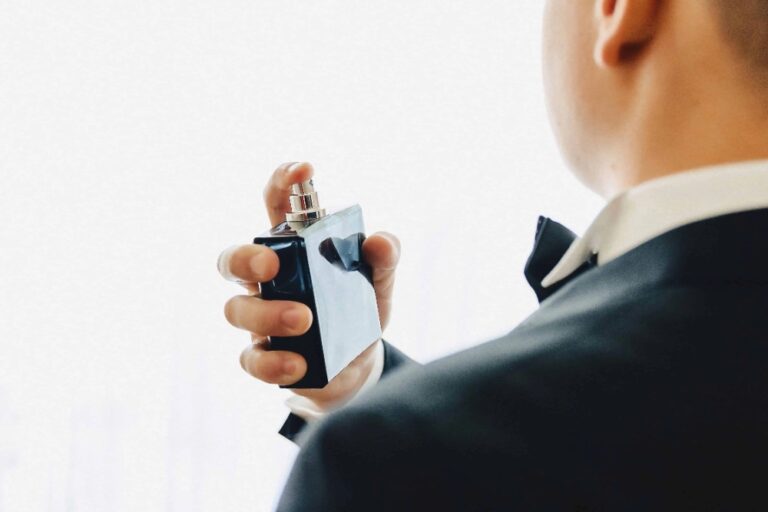
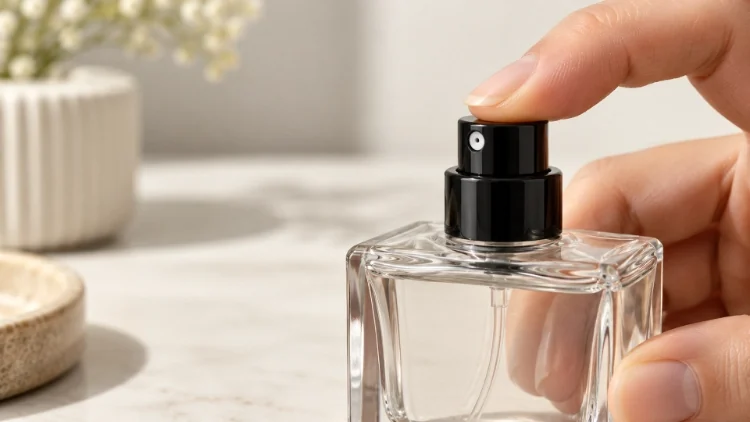
Compare perfume pump spray performance using the intended fragrance, an agreed priming method, and consistent application conditions. Record the spray pattern and spray output separately, because an attractive mist can still deliver an unsuitable amount or behave inconsistently between bottles.
A buyer may spend several rounds refining a scent, then select a pump mainly because the cap looks right. That leaves the consumer’s first physical interaction with the product underexamined. A sticky actuator, a wet stream, or an unpredictable first spray can distract from an otherwise suitable fragrance. The useful question is what the selected assembly does with the actual product.
This review does not require buyers to invent a laboratory standard. It requires a clear specification, a representative sample, and a comparison plan agreed with the relevant technical team. The following approach helps distinguish a dispensing concern from a fragrance concern before either becomes an expensive revision.
Start with the complete filled bottle, not the loose pump
Start by identifying the complete combination: bottle reference, neck and closure arrangement, pump, actuator, dip tube, and formula revision. A plain test vial may be useful for choosing the fragrance direction, but it does not represent the final dispensing experience. Record which parts are placeholders and which are intended for production.
The nozzle’s seal and valve design help prevent leakage or evaporation and support a smooth, even spray. Ethanol resistance also matters when reviewing the packaging. These points support reviewing the assembly with the fragrance it will contain, rather than assuming that an empty bottle demonstration establishes product performance.
Meiqi coordinates fragrance direction, sampling, bottle shapes, caps, colors, printing, labels, gift boxes, and other packaging details. Its OEM route supports a buyer’s defined specification, while ODM cooperation allows fragrance and packaging directions to be reviewed and adapted around a brief. That gives the dispensing discussion a place within the overall product-development process.
Review Meiqi’s coordinated perfume and packaging development and OEM/ODM pump and bottle selection when describing the intended format. Explain whether the product is a daily-use bottle, a travel format, or a sampling unit. The same visual effect may not answer the needs of every use case.
Identify the finished assembly and its liquid
A pump supplier’s component description is useful input, but the finished combination still needs review. The actuator, bottle geometry, dip-tube arrangement, and filling or assembly details can affect the user’s experience. Do not write an approval for a visually similar component without confirming whether it is the same proposed assembly.
Make priming and first-use conditions repeatable
Agree how reviewers should prepare each sample before judging it. A newly filled pump may behave differently before its fluid path is established. Define the priming method with the technical team and record the initial behavior separately from later actuations. This prevents one reviewer from judging an unprepared sample against another that has already been used repeatedly.
Standardize the pump’s first-use sequence
Keep orientation, actuation style, review surface, and observation distance consistent enough to answer the comparison question. Record any interruption, incomplete press, or handling issue. These are not automatically product defects, but they can make two observations incomparable. A short note is more useful than silently discarding an inconvenient result.
Consider a hypothetical buyer named Priya. Her first sample releases little visible mist, while a second bottle appears satisfactory. She checks the sample history and discovers that one bottle has already been demonstrated several times. Priya repeats the review using the same agreed preparation and records first-use behavior separately. The outcome is a fairer comparison, not an automatic approval of either pump.
The priming method should also be practical for the intended buyer experience. If the product needs instructions that have not yet been discussed, record that as a development question. Avoid promising a particular number of first-use actuations unless the project has evidence and an agreed specification supporting it.
Record dose and plume as separate observations
Spray output describes the amount delivered per actuation under defined conditions. Spray pattern describes how the liquid is distributed. A buyer may prefer a softer cloud but still need an appropriate delivered amount. Combining both observations into a single score such as “nice spray” hides the information needed for a useful supplier discussion.
If a quantitative check is required, agree the measurement method, equipment, number of actuations, sample selection, and acceptance criteria before testing. A mass-based comparison should not be reported as volume without a justified conversion. Buyers do not need to perform every measurement themselves, but they should understand what the reported value actually represents.
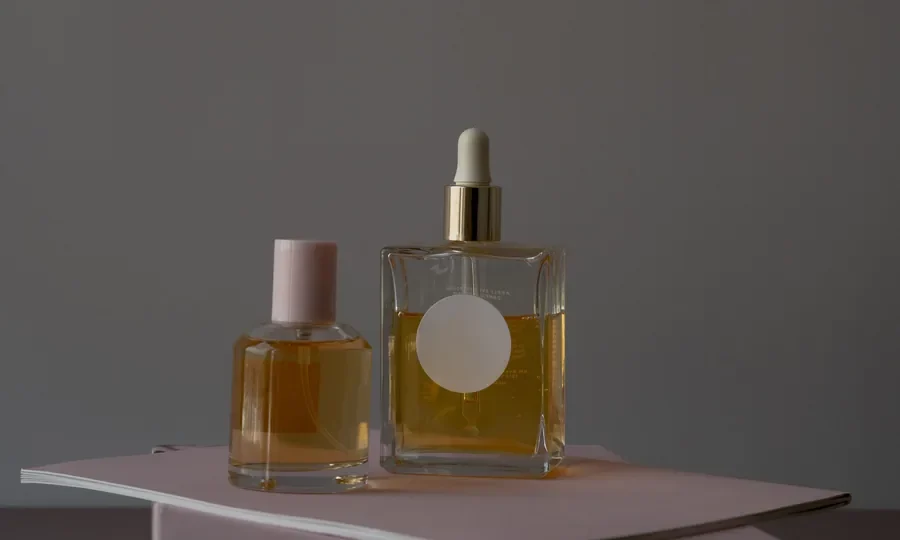
Describe the spray pattern with observable language: a fine cloud, a narrow stream, visible droplets, uneven distribution, or wetting around the actuator. Record where the observation appears and whether it repeats. A photograph can help document distribution, but it does not replace a controlled review or establish the underlying cause.
Sensory evaluation, stability review, and wear assessment answer different product questions. That distinction matters here: an impression of weaker scent after one spray may reflect application differences rather than a changed formula. Check perfume pump spray performance before requesting stronger concentration when the dispensing amount or distribution is uncertain.
When should a result trigger a design review?
Repeated sticking, inconsistent dispensing, leakage, or an unexpected change after storage should trigger a focused review against the agreed reference. Record the affected assembly, formula, conditions, and observed symptom. Avoid assigning the cause to a particular seal or ingredient solely from appearance. The next step is evidence that can distinguish the possibilities.
Meiqi’s approved-reference approach bases production on the buyer-approved sample and confirmed specifications. Its quality process includes material and component checks, in-process checks of filling and assembly, and final review against agreed product and packing requirements. The selected dispensing assembly should therefore be identified in the handover alongside the fragrance and the rest of the package.
In a second hypothetical example, Priya likes the revised spray pattern, but the proposed order uses a different actuator finish. She asks whether the change is purely decorative or affects the dispensing assembly, and records the supplier’s response with the revision. The useful decision is the scope of the recheck. It avoids either restarting every evaluation or accepting a change without understanding it.
Review the quality checks for assembled perfume products when defining those checkpoints. request a pump performance review with the formula reference, intended use, and the symptom or requirement your team wants to verify. A focused request is easier to act on than a general demand for a premium spray.
Keep commercial confirmation tied to the same assembly that was evaluated. A quoted pump category, a cap photograph, and an approved bottle are not enough if the exact configuration remains unclear. Ask the team responsible for assembly to confirm the component references and inspection points before treating the selection as ready for production.
Conclusion
A useful pump review makes the dispensing experience measurable and comparable. Identify the finished configuration, agree sample preparation, and separate spray output from distribution and handling observations. When a result changes, investigate the assembly and test conditions before changing unrelated formula details.
Meiqi can coordinate fragrance, bottle, cap, decoration, and packaging discussions around a defined product brief. Bring the accepted scent reference into that discussion and describe the spray experience your customer needs. The result should be an approved combination that procurement, production, and inspection teams can all identify, supported by clear checks and a written record of any remaining conditions.
Email Meiqi about pump output with the intended bottle, formula reference, and comparison question to organize the next sample review.
FAQs
Q1: Why should I prime every pump before comparing sprays?
A1: Priming establishes a repeatable starting condition. Record the priming steps and apply them consistently so the comparison does not confuse first-use behavior with later dispensing.
Q2: Are spray amount and spray pattern the same measure?
A2: No. The amount dispensed and the shape or distribution of the plume describe different aspects of performance. Record them separately against the same filled-bottle configuration.
Q3: Should I change the fragrance concentration if a spray feels weak?
A3: First confirm that the same bottle, pump, priming, and observation method were used. A dispensing difference should be investigated before requesting a formula change.