Here fragrances cease to be simple odors and become true sensory experiences. For some years, perfume manufacture has been going through technical, creative, and commercial mutations in step with the demands of a consumer ever more discerning in terms of individuality, durability, and purity of raw materials.
Emerging Trends in the Global Perfume Industry
The perfume industry is going through big changes, driven by the changes in customer behavior, new technologies, and the growing sustainability needs of our world. Big perfume companies like Meiqi are at the forefront of these changes, merging art and technology to create perfumes that correspond to today’s customer needs.
Shifting Consumer Preferences in Fragrance Selection
In recent years, consumers have abandoned mass-market fragrances and turned to niche and artisanal products that express individuality and authenticity. Today, most consumers look for a fragrance that corresponds with their personality.
Meanwhile, sustainability is becoming a key purchasing point. Consumers are drawn to transparent brands that share their values and do their part for the environment over prestige marketing. Additionally, a growing number of fragrances are now gender-neutral, as society’s standards for classification are evolving.
The Role of Technology in Modern Perfume Development
Technology has become a critical tool for perfumers in their pursuit of accuracy and customization. Technology such as artificial intelligence and data analysis enables fragrance creators to accurately forecast customers’ preferences and forthcoming trends and create fragrances through digital scent technologies that enable customers to test samples of perfumes and fragrances via an internet platform prior to them being tailor-made for specific demographics and psychographics. Virtual “scent-try-on” to purchase.
Sustainability and Ethical Practices Driving Change
Sustainability is revolutionizing the production and packaging of perfumes. Many brands like Meiqi now choose to work with raw materials in an eco-friendly way in order to avoid doing any damage to the environment. Luxury brands are now also offering their fragrances in refillable bottles or with biodegradable packaging in order to reduce waste as much as possible. Furthermore, more and more brands are adopting ethical labor practices and are ensuring that their supply chain is transparent and traceable.
Insights into Perfume Manufacturing Processes
The art of fragrance creation is a blend of traditional craftsmanship and modern science and a delicate mix of creativity and science. The process of creating a perfume goes from the first idea to the finished perfume in a bottle and requires a lot of precision, creativity, and experience. This is what characterizes perfume manufacturing today.
The Art and Science Behind Fragrance Composition
Perfumers and “noses” are artists and chemists who combine individual fragrance raw materials in specific layers of scent to create a fragrance. The creation of a fragrance is a complex task. The combination of individual raw materials and the layering of their scents must be perfect.
Perfumers combine the top notes of a fragrance with immediate scent impact, the heart notes with the scent’s “soul,” and the base notes with the long-lasting scent on the skin. The skill of a perfumer is in the connection of the individual scents in a fragrance and in the laboratory testing of each fragrance batch to guarantee constant olfactory quality. For the global market, perfumes are often also tested on people with different nasal sensitivities.
Ingredient Sourcing and Quality Control Standards
Natural Ingredients in Modern Perfumery
Natural extracts are the parts of most perfumes. Perfumers mix them to create a fragrance. The first thing in a perfume is the material. Perfumers get the essential oil from flowers like jasmine and rose and from woods like sandalwood and from resins like frankincense and myrrh. These natural things change with the seasons. The raw materials are available, at times of the year. They also smell different. The perfumer has to work around ingredients to get the desired fragrance.
Synthetic Components and Their Advantages
Synthetic molecules are essential to sustainable innovation in perfumery. Molecules, which the human hand creates in the laboratory, have a fixed composition, are of constant quality, and create a long-lasting fragrance. The synthetic molecules can even copy the natural fragrances, which occur only in small quantities, are not available anymore, or are even endangered. Furthermore, they are more stable against oxidation and temperature changes than natural molecules, which makes them ideal for distribution in the worldwide markets.
Technological Innovations in Manufacturing Techniques
Advanced Extraction Methods
Using modern methods of extraction, such as using CO₂ and not distillation, the delicate volatile components are better preserved. This leads to very pure essences that have great aromatic quality. The aromas of floral extracts and citrus extracts, for example, are very important and are better preserved in very pure essences.
Precision Blending Systems
A highly automated production process supports large-scale consistency and allows for artistic freedom. For example, precise mixing systems with fully automated dosing of the individual components exactly correspond to the stored digital recipe from the database in each production batch. This ensures consistent quality and avoids errors caused by humans.
Market Dynamics Influencing Perfume Production Strategies
The countries and regions. The Asia-Pacific market is growing fast, as the middle-class consumers in this region’s global perfume market are a highly diverse market that follows the general development of the economies and the cultural heritage and are increasingly seeking luxury and perfume, which allow them to express themselves. Traditional European perfume houses have been transmitted from generation to generation and are considered true and authentic.
Brand Positioning Through Storytelling and Marketing
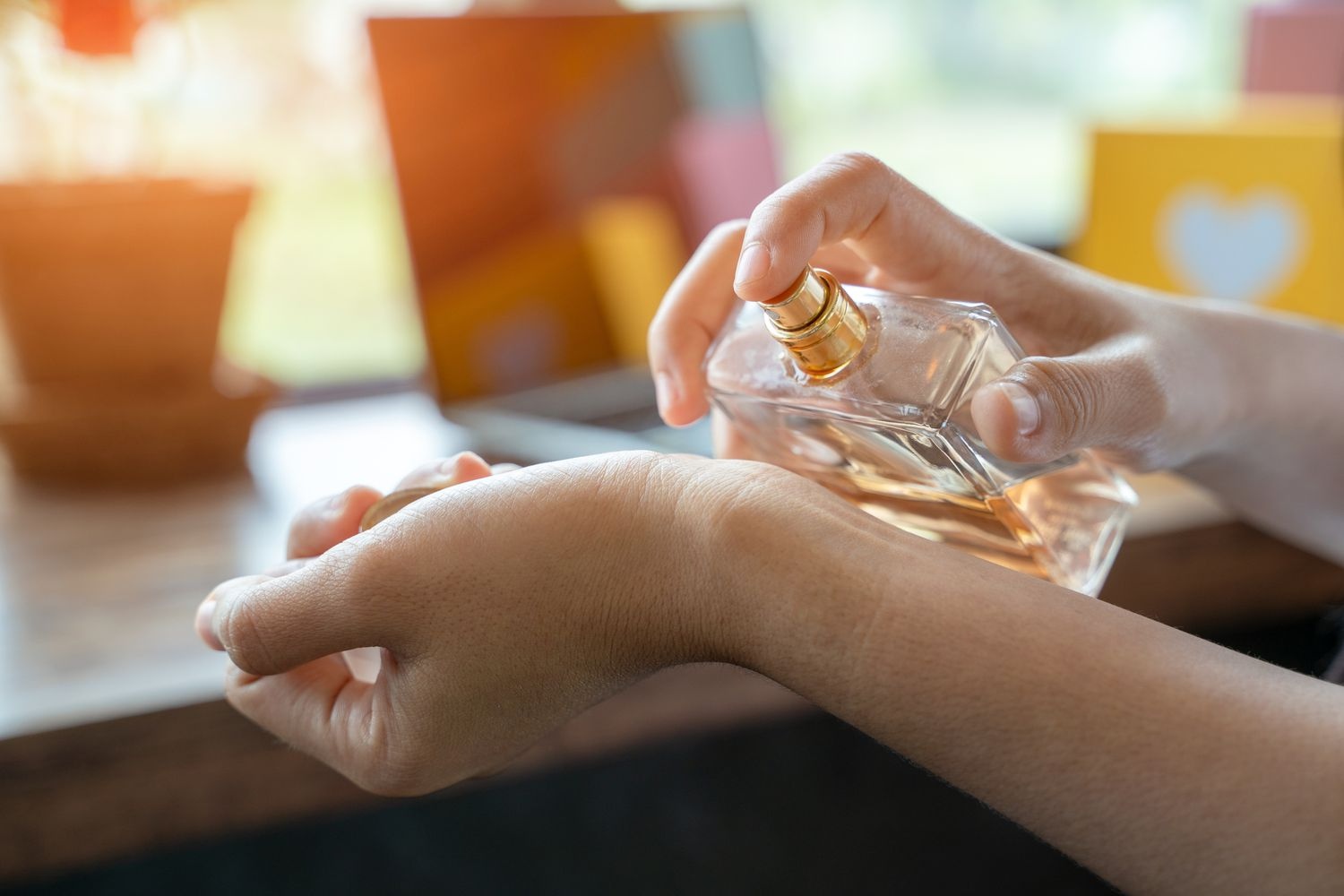
Perfume brands are using the stories behind their fragrances, such as heritage. Emotional storytelling has become a crucial marketing tool for perfume brands in today’s market, seeking to create a greater connection. Perfumes created by designers and visual artists are collecting objects and are seen as wearable art pieces and artistic collaborations to create an exclusive experience and reinforce the brand values behind a fragrance. Even limited things can be treasured and collected rather than just used and then thrown away as other consumable goods.
Future Directions for the Perfume Industry
The next phase of the industry’s evolution is to combine biotechnology and personalization in order to revolutionize the creation and perception of fragrances.
Integration of Biotechnology in Scent Creation
New and sustainable sources of rare and precious aromatic molecules can be produced in the lab without having an impact on fragile natural ecosystems. Through bioengineering, new bioengineered molecules can be created to be produced via fermentation by microbes in order to supply complex ingredients such as musk or ambergris that until now were either not accepted due to ethical reasons or were not environmentally sustainable.
Customization as a Key Competitive Advantage
Personalized perfume is one of the most promising directions of future development for perfumes sold globally. Data-driven online services use AI to offer the user a variety of ready-made perfumes or create completely bespoke fragrances based on his or her personality or current mood. Co-creation of a fragrance by the brand and wearer of the perfume that was created has increased significantly and brings with it a lot of positive emotions as well as loyalty to the brand sold online.
FAQ
Q1: Why are natural and synthetic ingredients both important in perfume composition?
A1: Natural ingredients bring depth, richness, and recognizable botanical character, while synthetic molecules improve stability, consistency, and sustainability. Using both allows perfumers to create balanced fragrances that perform well in different markets.
Q2: How is technology changing modern perfume manufacture?
A2: Technology helps perfume manufacturers improve formula accuracy, automate blending, predict consumer preferences, and support personalized fragrance development. It also reduces production errors while keeping scent quality consistent across batches.
Q3: Where can I get more information on professional perfume development?
A3: Further information on advanced research in perfume development can be found in Signature Blend, which is a masterpiece of innovation and art in contemporary perfume manufacture, using the highest standards of scientific expertise combined with tradition.