Natural perfume draws notice in 2026. More shoppers seek purer parts, milder aroma patterns, and scent picks that link better to individual health. Before checking the chief perks, it helps to see why natural perfumes grow more attractive for routine wear, presents, and way-of-life scent picks.
The Growing Interest in Natural Perfumes in 2026
The aroma field steps into a fresh time of change. As buyers grow more mindful of green living and health, the need for natural perfumes keeps growing. This alters how firms build, sell, and supply their smells.
Understanding the Shift Toward Natural Fragrances
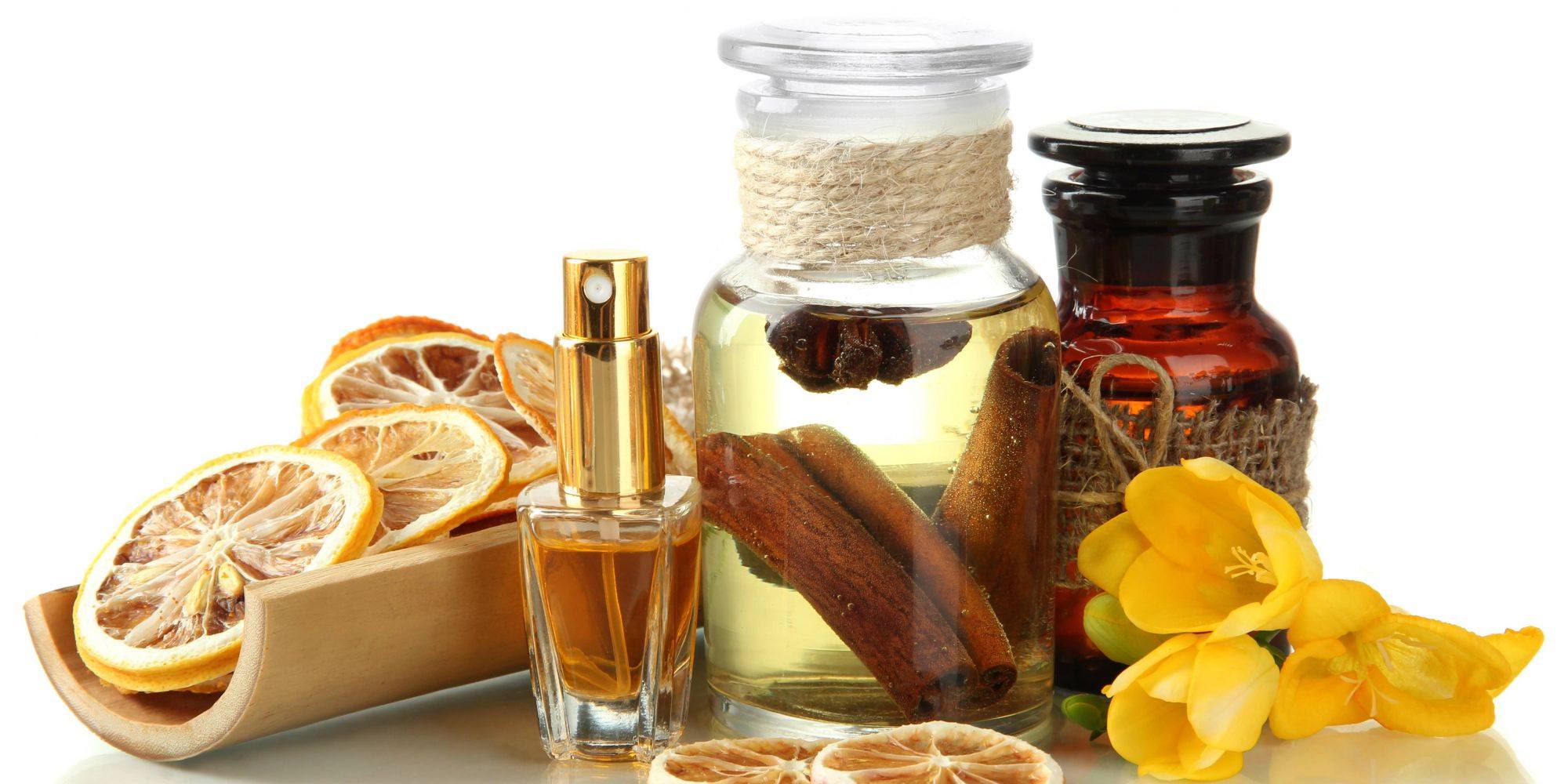
The turn to natural smells comes from better knowledge of health and nature effects. Buyers today like goods without fake chemicals. These match their earth-kind habits. The aroma field answers with a focus on clearness and right gathering ways. Natural perfumes suit this flow just right. They stem from plant stuff and vital oils, not fuel-based offshoots.
Plus, natural smells match full health flows. Fragrance can spark the release of endorphins in the brain, boosting defense. Lovers catch fewer sniffles due to strong endorphin output in the brain. Scents with this power cover rose, jasmine, rosewood, orange blossom, cinnamon, and so on. This link between feeling good and smell builds buyer belief in natural products that help the body and spirit.
Market Dynamics Driving the Popularity of Natural Perfumes
Various market pushes fuel this quick rise in favor. Watchdog groups now clamp down harder on fake parts, urging makers to offer better options. Scent shops grab this opening by making craft mixes that test old high-class names. Online sharing boosts this pattern. Influencers post perfume spritzes and inner looks at gathering tales and feel trials that make natural perfume easier for current crowds to connect with.
Meanwhile, buyers’ pull toward personal touch shapes buying ways. This close tie to smell makes custom natural perfumes quite drawing to young groups who want a true feel over big-run goods.
Key Advantages of Choosing Natural Perfume
Natural perfumes give several perks that go past basic scent appeal. They stand for health, green care, and craft skill.
Health and Skin Compatibility Benefits
Health-focused buyers like how natural parts cut risk from fake chemicals that can start allergies or rashes. Before trying a fresh perfume at first, it’s smart to do a skin check. Put a bit on a tiny spot inside your wrist or behind your ear. Then watch for any bad response in 24 hours. This advice highlights how those with soft skin can safely like plant-come scents without losing ease.
Besides, vital oils in these perfumes hold smell-therapy traits. Perfume has a fine impact that can leave folks calm and comfy in body and mind. Smells like lavender or chamomile do more than please the nose. They also ease worry, turning natural perfumes into a part of self-care habits. This holds real value and weight for rushed town dwellers.
Sustainability and Environmental Considerations
Green living forms the center of natural scent making. Firms that eye right gathering guard fair deal rules. They also shield nature’s mix via careful crop ways. Picking break-down parts cuts nature harm, unlike fake mixes that stay in living spaces.
On top, less need for fuel-based offshoots fits the world’s green aim to trim carbon tracks over fields. Groups taking these steps raise their net worth by drawing earth-care buyers.
Olfactory Complexity and Authenticity of Natural Scents
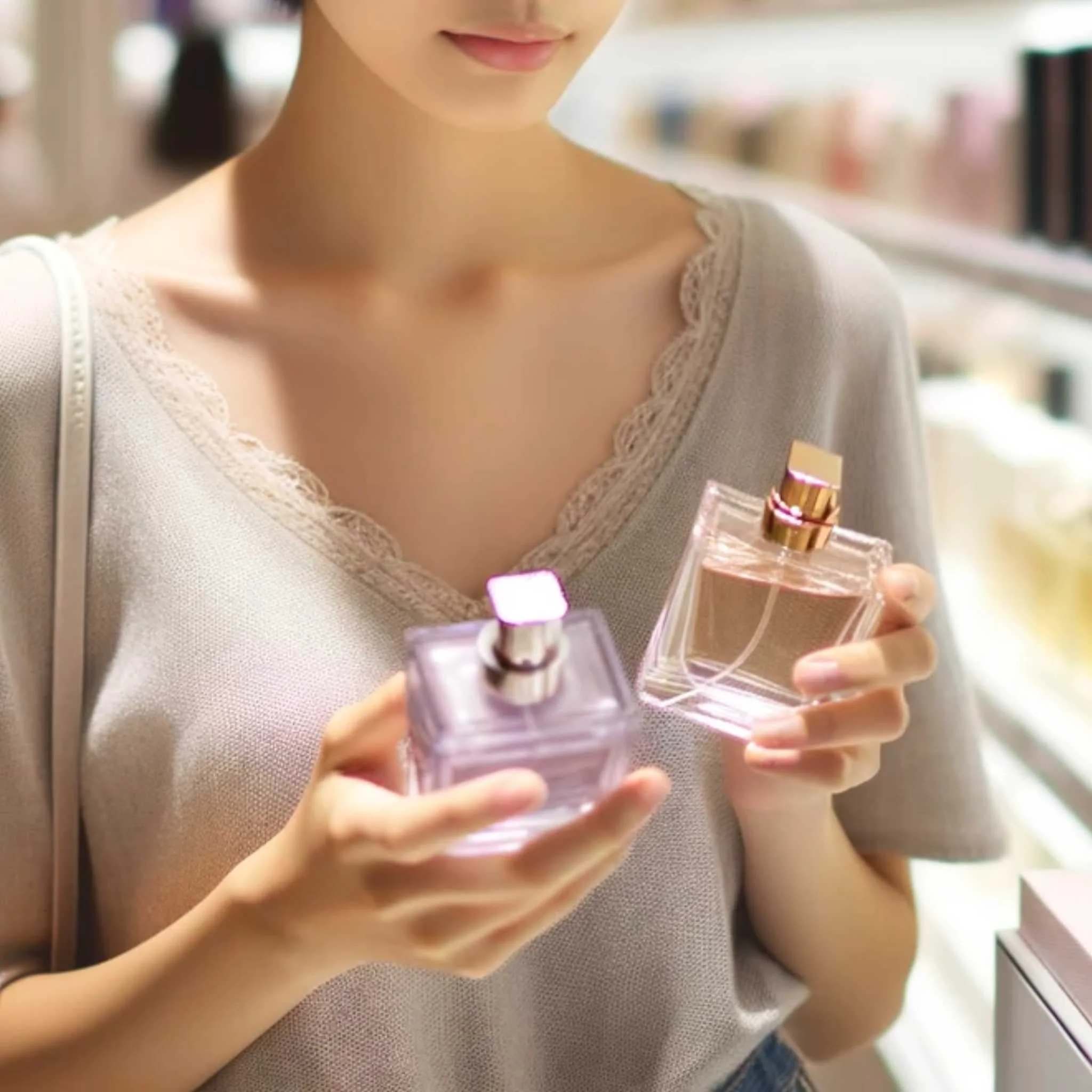
A main strength of natural perfumes rests in their layered smells. They draw on living stuff, not made holders. So each mix changes in its own way on each user’s skin. This builds a real one-of-a-kind smell mark. That range lifts true feel. No two puts-on smell quite the same.
Craft scent makers often shape these mixes with old methods that stress fresh ideas over evenness. Take leather-like smells from history. They added bits like tobacco or honey for full layers. This build skill hits hard with scent fans who prize tale-telling via smell.
Challenges Associated With Natural Perfumes
For all their pull, natural perfumes meet some hurdles linked to steady work and price building.
Longevity and Stability Issues
Lacking fake, steady agents or holders, lots of natural smells fade quicker after going on skin or clothes. Heat shifts can change smell patterns as time passes. Quick parts break down fast under warmth or light. Exposure to light, heat, and moisture can accelerate the deterioration of perfume and alter its aroma. So, new pack fixes become key to keeping the new feel while holding the look’s charm.
Cost Implications and Accessibility Concerns
Top plant pulls take heavy work to gather. Few crop times or place ties lead to ups and downs in stock and price steadiness. Thus, many buyers view natural perfumes as top-shelf or fancy items, not daily musts.
Evaluating Whether the Advantages Outweigh the Limitations in 2026
As tech moves ahead and buyer teaching gets better, many bounds in natural scent work find good fixes.
Evolving Consumer Expectations and Technological Advancements
Green chemistry’s new ways shake up how natural parts work in builds. They boost steadiness without hurting cleanliness. Mixed paths joining safe fakes with living starts give even picks for folks after both stay power and true feel.
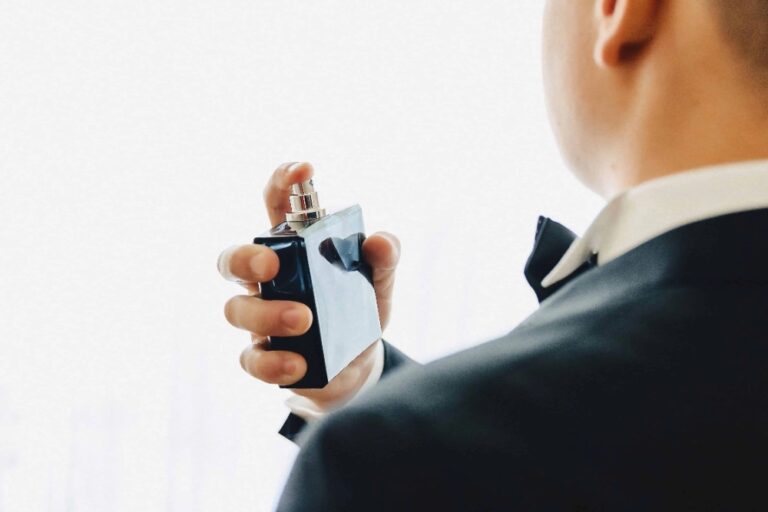
Teaching holds a big part too. When buyers grasp real hopes for short length or change, regard for craftwork rises in step. Spraying perfume where skin temperature is high and blood circulation is good promotes the perfume’s evaporation, making the scent last longer. Good put-on methods can boost work more, even for soft builds like eau de cologne kinds noted for quick fading.
The Future Outlook for the Natural Perfume Market
In 2026, the advantages of natural perfume are becoming more convincing, especially for buyers who value cleaner ingredients, softer scent profiles, and a more personal fragrance experience. However, natural perfumes may still have limits in longevity, consistency, and price compared with some synthetic blends. As the market develops, brands that balance natural ingredients with stable performance and modern fragrance design are likely to gain stronger consumer trust.
FAQ
Q1: What makes natural perfume different from conventional perfume?
A1: Natural perfumes rely exclusively on plant-based extracts instead of synthetic molecules found in conventional products. They often provide therapeutic benefits since fragrances with effects like rosewood or lavender can calm down excited emotions and maintain a peaceful state of mind.
Q2: Are natural perfumes safe for sensitive skin?
A2: Yes, when properly tested before use. It’s advisable to follow safety measures such as performing a patch test first because if any discomfort such as redness or itching occurs, discontinue use, especially if you have sensitive skin.
Q3: How long do natural perfumes typically last?
A3: Their longevity varies depending on concentration levels; lighter forms like Eau de Cologne last about one to two hours, while concentrated perfume types may linger up to eight hours under proper storage conditions.
Q4: Where can I find reliable brands offering sustainable options?
A4: Many companies now specialize in eco-conscious formulations. Among them, Meiqi stands out for combining green sourcing with refined aromatic profiles suitable for daily wearers seeking both elegance and responsibility.